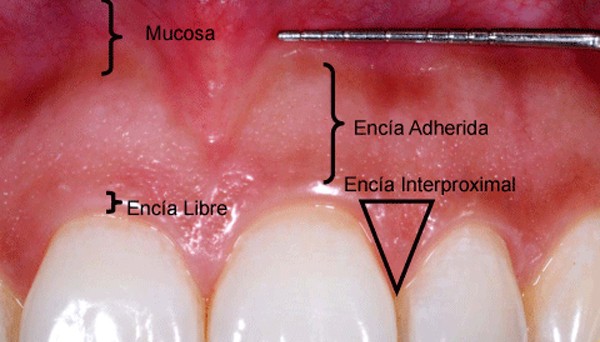
When we think about smile design, we usually focus first on the teeth.
We look at their colour, shape, length, position and proportions.
However, the gums play a decisive role in the final aesthetic result.
The height of the gum margins, symmetry, contours, tissue thickness, interdental papillae and the amount of gum visible when smiling can completely change the way the teeth are perceived.
The same tooth can appear short, long, wide, tilted or asymmetrical simply because of the way the gum surrounds it.
For this reason, within Digital Smile Design, we do not analyse the teeth in isolation.
We study the relationship between:
The gums.
The teeth.
The lips.
The smile line.
Facial proportions.
Tooth display.
The movement of the smile.
At SMITA Advanced Smile Design in Barcelona, gum aesthetics are included in the treatment plan from the very beginning.
We do not only aim to create beautiful teeth.
We aim to design a smile in which the teeth and gums integrate in a natural, healthy and harmonious way.

How the Gums Influence Digital Smile Design
Within Digital Smile Design, the gums help define:
The visual length of the teeth.
The relationship between tooth width and height.
The symmetry of the central incisors.
The visual position of the canines.
The continuity of the gum line.
The amount of gum visible when smiling.
The relationship between the smile and the upper lip.
The presence or absence of interdental papillae.
The balance between both sides of the smile.
When the gum line is irregular, even well-aligned teeth may appear asymmetrical.
When too much gum is visible, the teeth may appear small.
When gum recession is present, the teeth may look excessively long.
When papillae are missing, dark spaces known as black triangles can interrupt the visual continuity of the smile.
Gum aesthetics are therefore not a secondary detail.
They are a structural part of smile design.
The Gum Line as the Frame of the Teeth
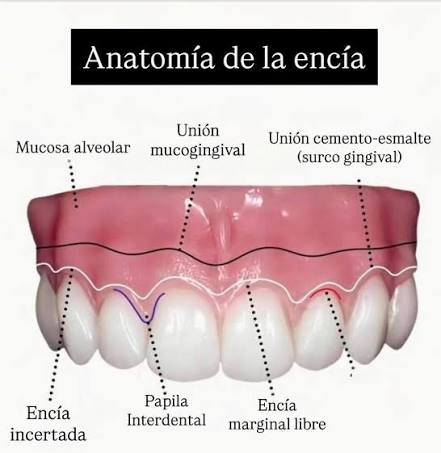
The gum acts as a frame around each tooth.
Its position directly changes the way we perceive the dental crown.
In the front area, we analyse:
The gum height of the central incisors.
Their relationship with the lateral incisors.
The gum height of the canines.
The symmetry between the right and left sides.
The continuity of the gingival contour.
The relationship with the lip line.
A difference of only one or two millimetres can make a tooth appear shorter, longer or tilted.
Before modifying the tooth with composite or porcelain, we therefore need to determine whether the problem is truly in the tooth or in the surrounding gum.
How the Gums Change Tooth Proportions
Tooth proportions do not depend only on dental anatomy.
They also depend on how much of the tooth is visible.
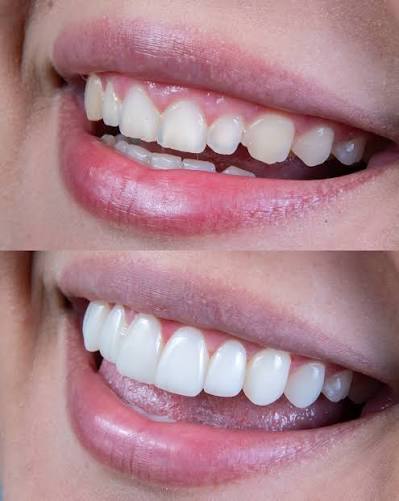
When the gum covers a significant part of the crown, the tooth may appear:
Too short.
Excessively wide.
Square.
Poorly defined.
When gum recession is present, the tooth may appear:
Too long.
Asymmetrical.
Narrower.
Older-looking.
For this reason, in Digital Smile Design we analyse both the true anatomy of the tooth and its visual appearance.
Improving tooth proportions does not always mean adding more material.
Sometimes, it means repositioning the gum margin.
The Importance of Gingival Symmetry
Gum symmetry has a significant influence on the front teeth.
The central incisors usually play a dominant role in the smile.
When their gum margins are positioned at different heights, one tooth may appear shorter or longer than the other.
We also assess their relationship with the lateral incisors and canines.
However, a natural smile does not need to be perfectly symmetrical.
Small differences may go unnoticed and form part of the person’s individual expression.
The aim is not to create mathematical symmetry.
The aim is to create visual balance.
Healthy Gums Before Any Smile Design
Gum aesthetics always begin with health.
When the gums are inflamed, their shape is not stable.
They may appear:
Thicker.
Redder.
Irregular.
Prone to bleeding.
Less defined.
More swollen around the teeth.
When veneers or crowns are designed around inflamed tissue, the gum position may change once the inflammation has been treated.
This can affect the margins, symmetry and final integration of the restorations.
Before starting aesthetic treatment, it may therefore be necessary to carry out:
Professional dental hygiene.
Plaque control.
Periodontal treatment.
Improved interdental cleaning.
Gingival reassessment.
A stable smile cannot be designed around inflamed gums.
Gummy Smiles and Facial Design
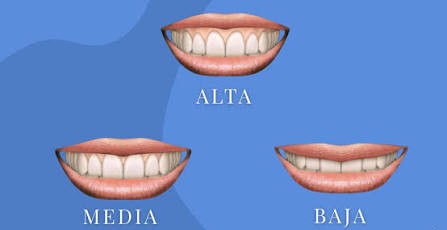
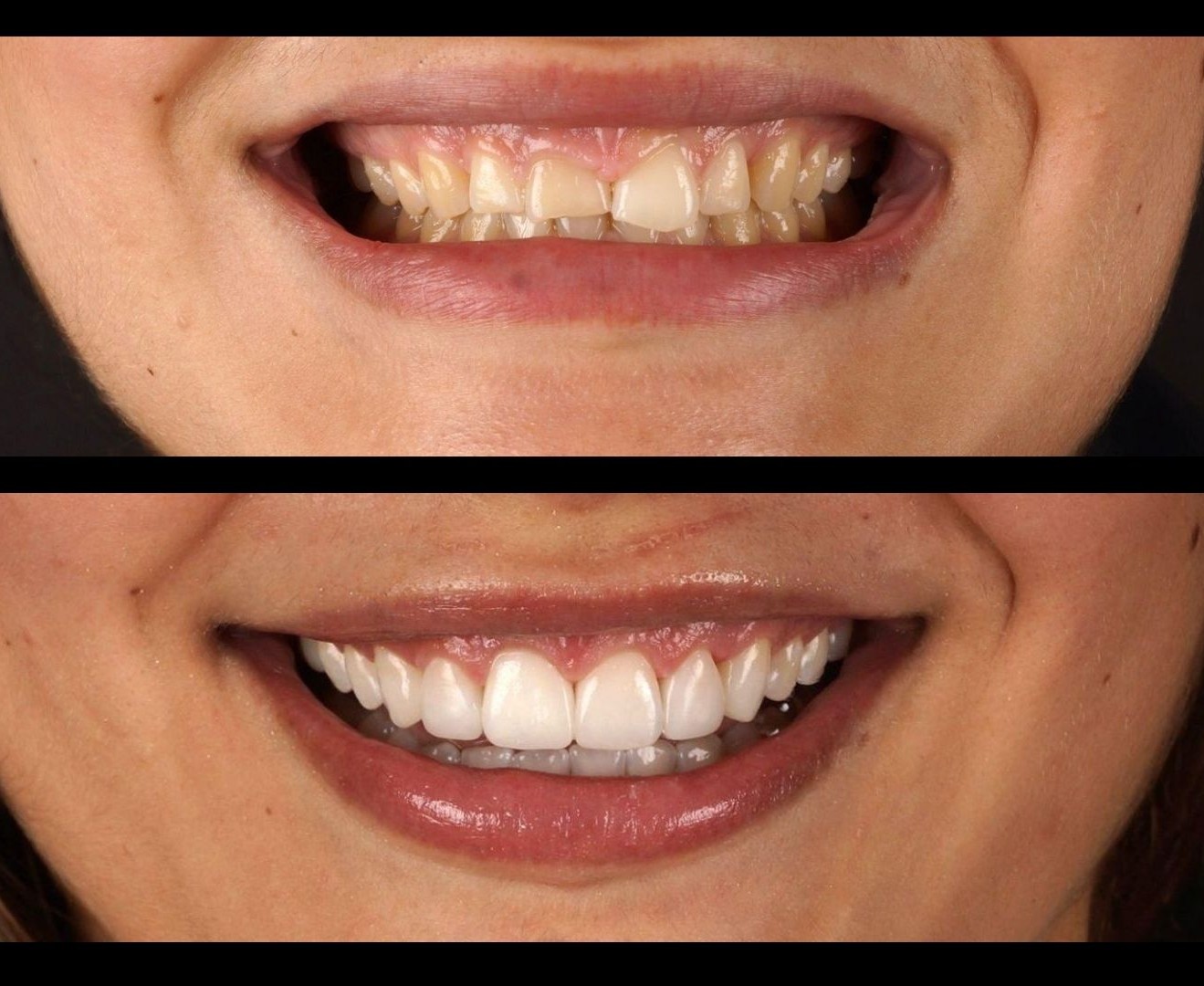
A gummy smile occurs when the patient feels that too much gum is visible when smiling.
However, not every gummy smile has the same cause.
It may be related to:
Excess gingival tissue.
Altered passive eruption.
Clinically short teeth.
A short upper lip.
An excessively mobile upper lip.
The vertical position of the upper jaw.
Tooth wear.
Tooth position.
A combination of several factors.
Within Digital Smile Design, we study how much tooth and gum are visible at rest, during speech and when smiling.
This helps us determine whether treatment should focus on the gums, teeth, lips, orthodontics or a combination of approaches.
Not Every Gummy Smile Requires Gum Surgery
One of the most common misconceptions is that every gummy smile can be corrected by removing gum tissue.
This is not always the case.
If the primary cause is lip movement, the position of the upper jaw or tooth position, gingivectomy alone may not solve the problem.
Depending on the diagnosis, treatment may include:
Gum contouring.
Clinical crown lengthening.
Orthodontics.
Aesthetic restorations.
Lip treatment in selected cases.
Maxillofacial surgery in specific situations.
An interdisciplinary combination of treatments.
The cause determines the treatment.
Gingivectomy and Clinical Crown Lengthening
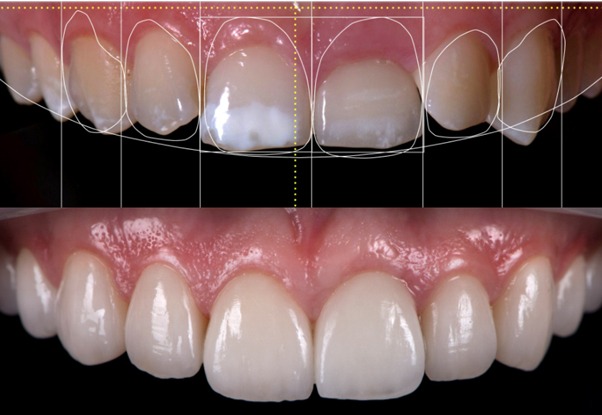
A gingivectomy reshapes or removes gum tissue.
Clinical crown lengthening may also involve controlled modification of the underlying bone.
The choice depends on the relationship between:
The gum.
The bone.
The tooth root.
The dental crown.
The biological width.
The future restoration.
When only superficial tissue is removed but the bone level does not allow stability, the gum may grow back.
Treatment should therefore be planned only after the complete periodontal anatomy has been assessed.
When a Tooth Looks Short Because of the Gum
A tooth may appear small even when its anatomical crown has a normal length.
This can happen when a significant part of the crown remains covered by the gum.
Before placing a veneer or adding composite, we need to determine whether the tooth genuinely needs more length or whether more of its existing structure should be exposed.
Adding material without correcting the gum may create a tooth that looks too wide or bulky.
Correct smile design begins by identifying the true source of the disproportion.
Gum Recession and the Smile
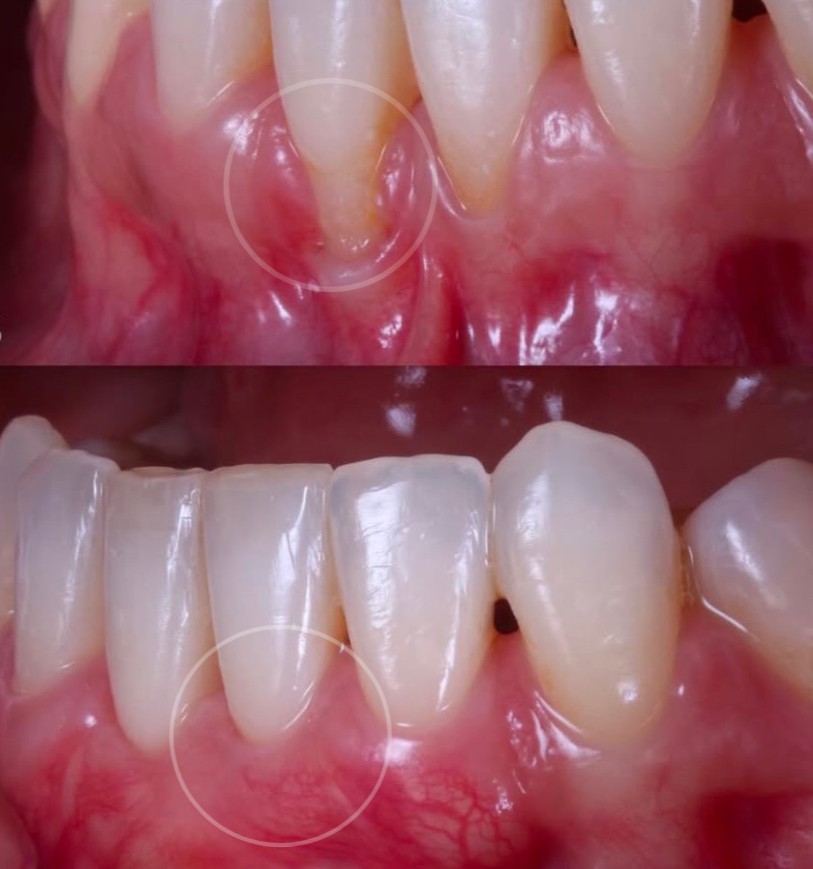
Gum recession occurs when the gum margin moves away from its original position and exposes part of the root.
This may make the teeth appear:
Longer.
Asymmetrical.
Darker near the root.
Less harmonious.
It may also cause sensitivity.
Within smile design, we analyse:
The depth of the recession.
The thickness of the gum tissue.
The position of the tooth.
The level of the supporting bone.
Oral hygiene.
The underlying cause.
In some cases, a gum graft may be indicated.
In others, the main goal may be to control progression and improve the aesthetics through a combination of periodontal and restorative treatment.
Gum Thickness
Not every patient has the same gum thickness.
Some people have a thin and delicate gingival phenotype.
Others have thicker and more resistant gum tissue.
Thin tissue may be more likely to show:
Recession.
Colour changes.
Transparency of roots or restorations.
Changes in contour.
Thicker tissue is often more resistant, although it may appear bulkier.
The gingival phenotype influences:
Veneer planning.
The position of restorative margins.
Aesthetic stability.
Periodontal surgery.
Implant planning.
The possible need for grafting.
Treatment planning depends not only on how the tissue looks now, but also on how it is likely to respond over time.
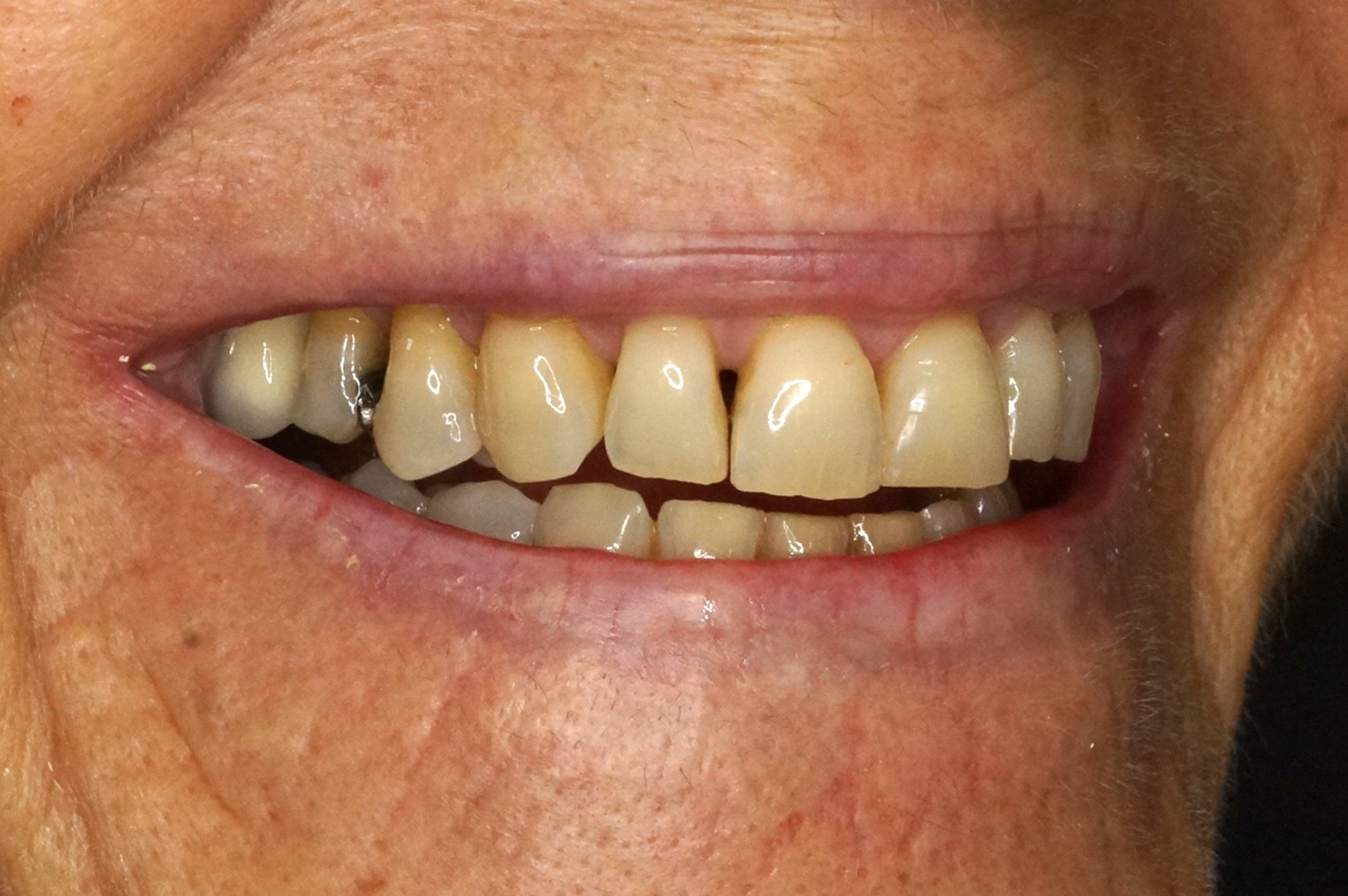
Papillae and Black Triangles
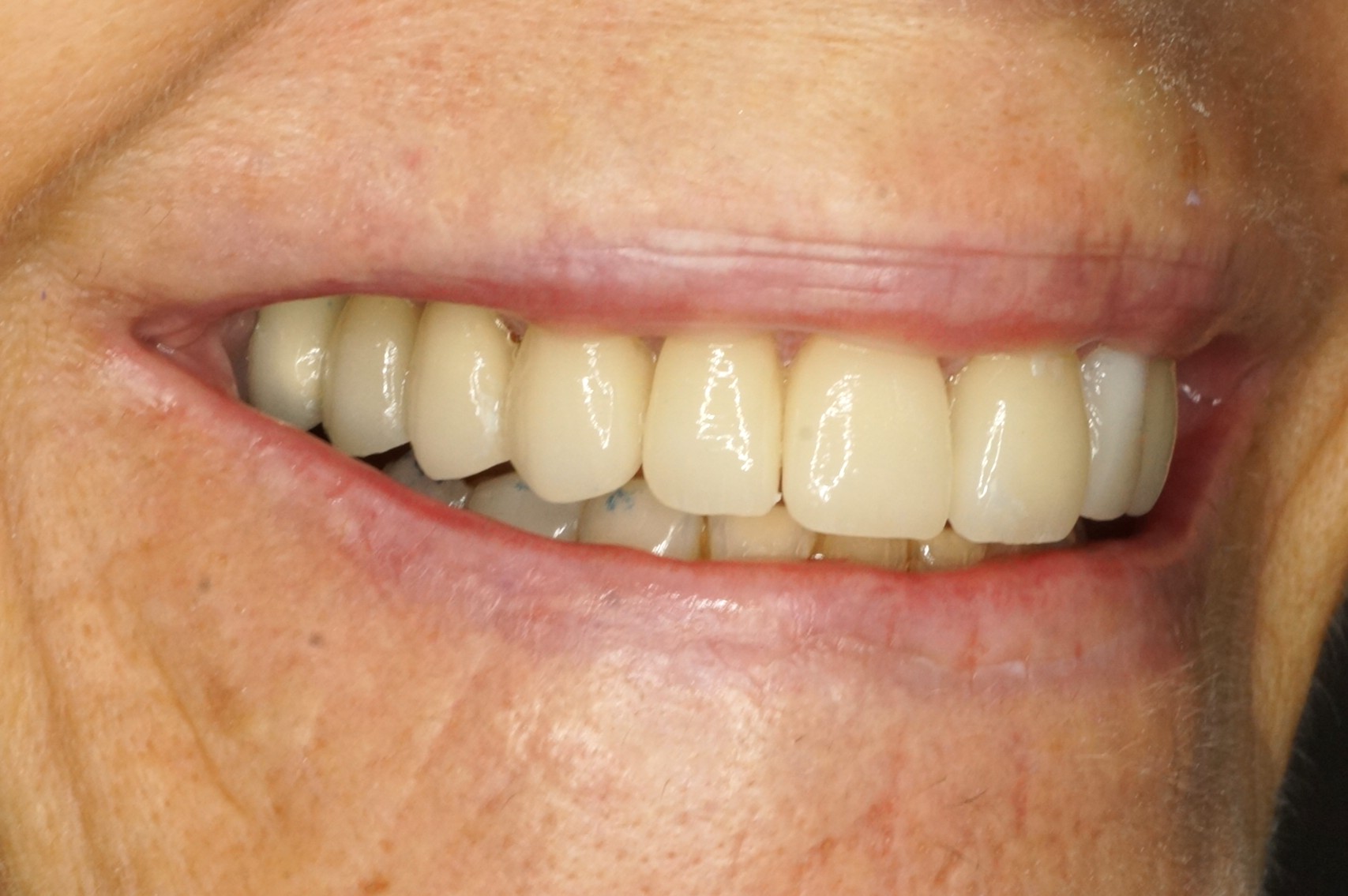
The papillae are the small areas of gum that fill the spaces between the teeth.
When they do not completely fill these spaces, dark gaps known as black triangles may appear.
They may be related to:
Triangular tooth shape.
Bone loss.
Gum recession.
The distance between the bone and the contact point.
Orthodontic treatment.
Tooth position.
Loss of the papilla.
Treatment may include:
Orthodontics.
Composite bonding.
Careful interproximal reshaping.
Periodontal treatment.
Modification of the contact point.
It is not always possible to restore a lost papilla completely.
Prevention and careful planning are therefore especially important.
How Orthodontics Influences the Gums
The position of the teeth affects the shape and height of the gums.
Orthodontics can help to:
Improve gingival symmetry.
Correct differences in tooth height.
Distribute spaces.
Improve root position.
Create more harmonious proportions.
Prepare the teeth for veneers or composite bonding.
However, once the teeth are aligned, certain features may become more visible:
Recession.
Black triangles.
Differences in gum height.
Asymmetries.
Changes in gingival display.
For this reason, after orthodontic treatment we perform a new aesthetic assessment of both the teeth and gums.
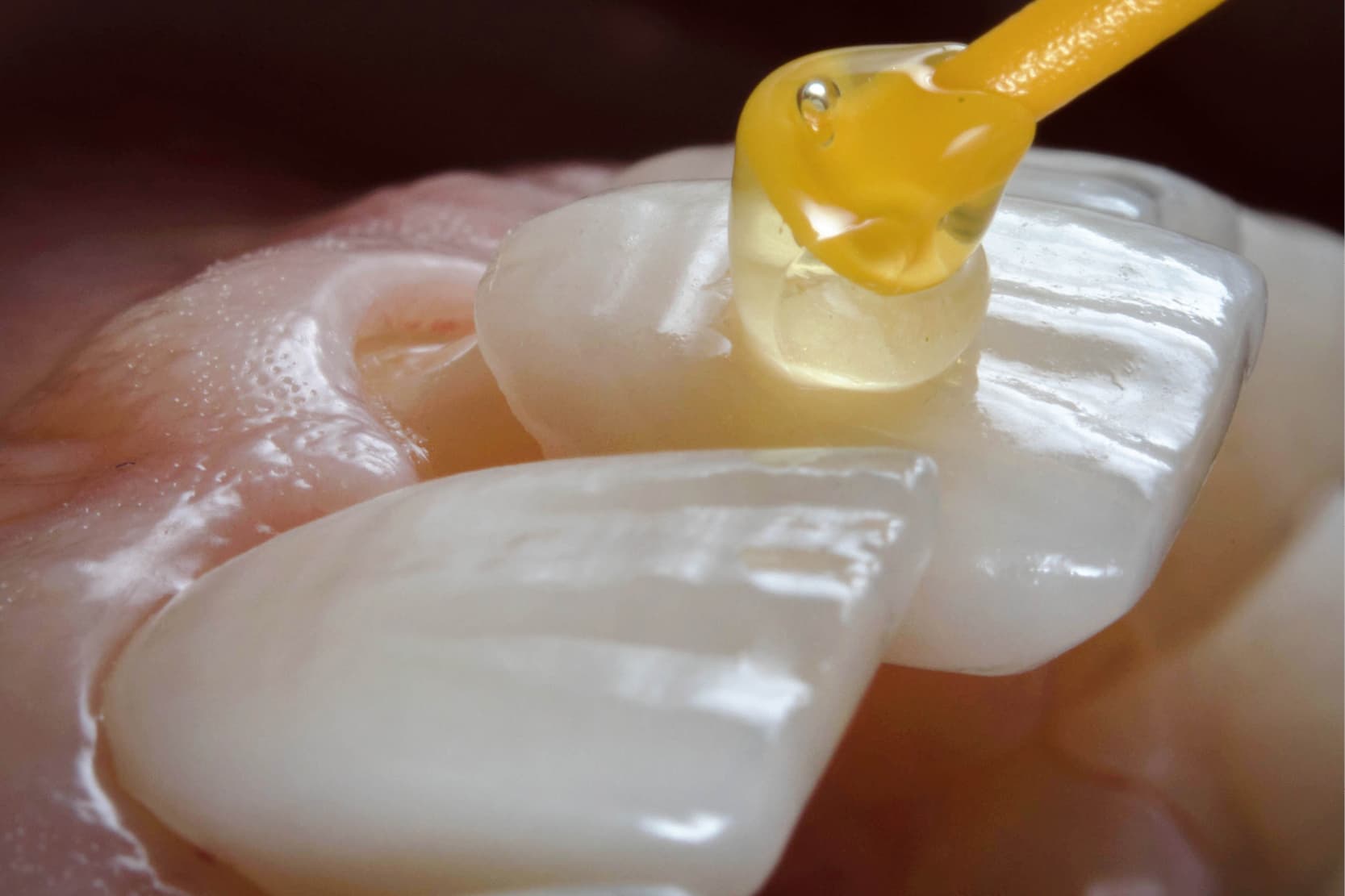
Gums and Dental Veneers
The gums have a direct influence on the final result of veneers.
Before treatment, we assess:
Gum health.
The position of the margins.
Gingival symmetry.
The amount of gum visible.
The thickness of the tissue.
The presence of recession.
Oral hygiene.
The cervical shape of the teeth.
A veneer that is too bulky near the gum may make cleaning more difficult and contribute to inflammation.
Problems may also appear when there are:
Inadequate margins.
Residual bonding cement.
Overcontoured restorations.
Restorations placed too deeply below the gum.
The final aesthetic result depends not only on the porcelain or composite, but also on how it relates to the surrounding gum tissue.
When to Treat the Gums Before Veneers
When the gum height needs to be changed, the gum treatment is usually completed first.
We then allow enough time for the tissue to heal and stabilise before placing the definitive restorations.
However, the veneers should be planned from the beginning.
We need to know:
The final tooth length.
The position of the new gum margins.
The proportions we want to create.
How the smile will relate to the lips.
The treatment sequence may include:
- Smile design.
- Digital planning or diagnostic wax-up.
- Mock-up.
- Gum treatment.
- Healing and tissue stabilisation.
- Veneers or composite bonding.
- Maintenance
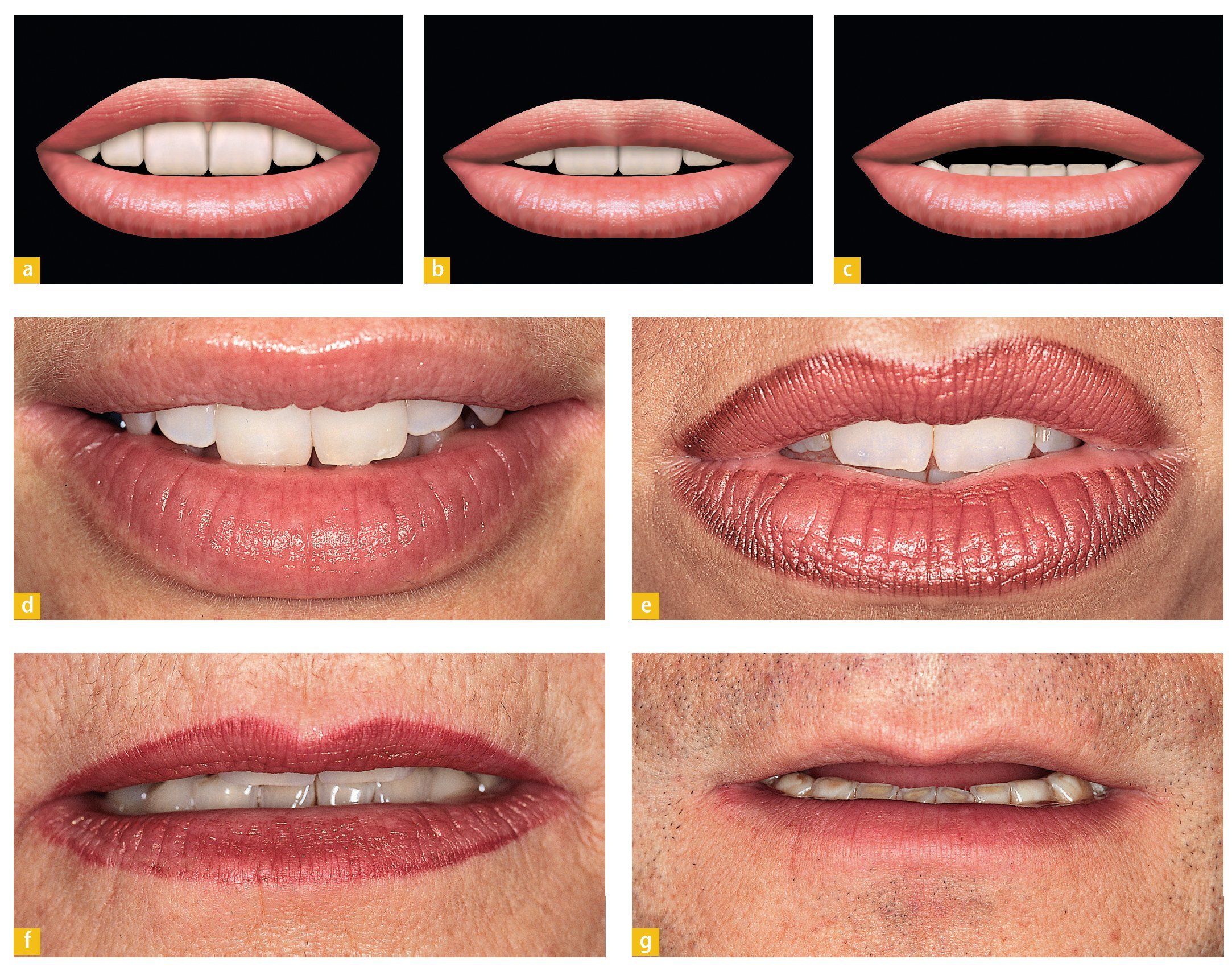
How the Upper Lip Influences the Result
The amount of gum visible does not depend only on the gums.
It also depends on the upper lip.
We assess:
Its length.
Its mobility.
Its position at rest.
The spontaneous smile.
The full smile.
Tooth display during speech.
A person may show a large amount of gum in a forced smile and much less in a natural smile.
Treatment should therefore be planned using facial photographs, video and dynamic analysis.
An intraoral photograph alone is not enough.
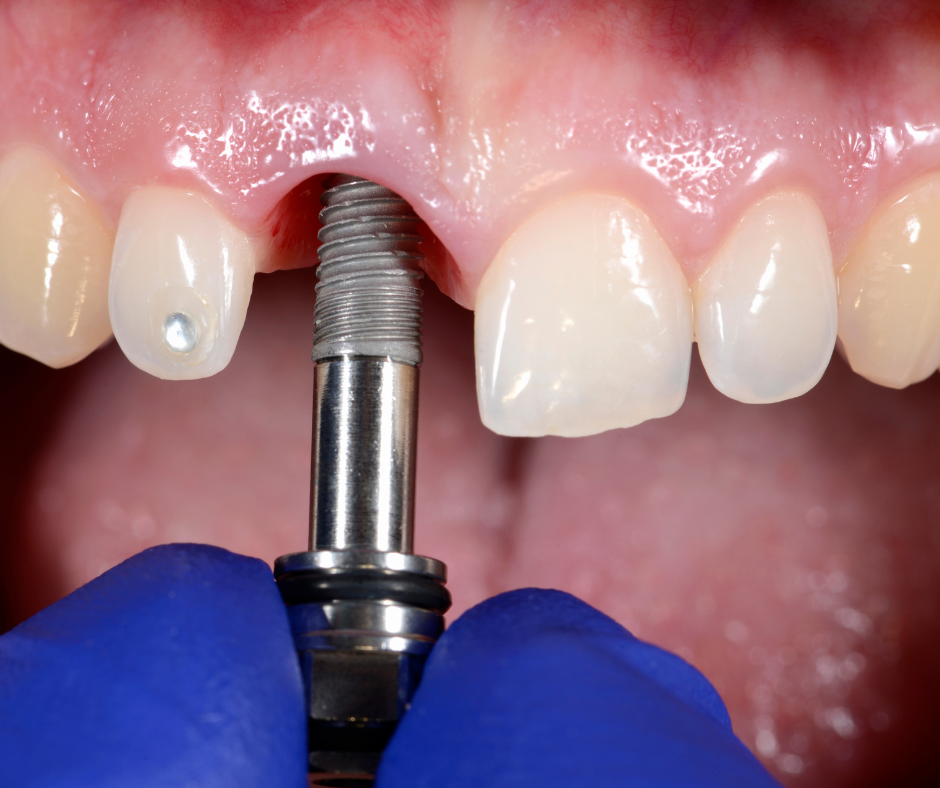
Gum Aesthetics Around Anterior Implants
In implants placed in the front area, the gums are essential to the aesthetic result.
It is not enough for the implant to integrate successfully with the bone.
We also need to create:
A harmonious gum margin.
Stable papillae.
Adequate tissue volume.
A natural emergence profile.
Symmetry with the neighbouring teeth.
A natural transition between the crown and the gum.
The three-dimensional position of the implant directly influences the result.
When tissue is missing, gum grafting or bone regeneration may be necessary.
Planning should begin before the implant is placed.
The Role of the Mock-Up in Gum Aesthetics
A mock-up allows us to visualise how the teeth could look with a new shape and length.
It also helps us assess:
How much gum should remain visible.
Where the new margins should be positioned.
How the proportions will change.
How the smile will relate to the lips.
Whether crown lengthening is necessary.
Whether the proposed change is genuinely beneficial.
The mock-up may also be used as a guide for both periodontal and restorative treatment.
Gum Aesthetics Does Not Mean Creating Perfect Gums
Not every small difference needs to be corrected.
A natural smile may include:
Minor asymmetries.
Variations in pigmentation.
Small differences in gum height.
Contours that are not identical.
Before recommending treatment, we need to determine whether the difference is visible and whether it genuinely affects the harmony of the smile.
The aim is not to create mathematically perfect gums.
The aim is to create a balanced relationship between the gums, teeth, lips and face.
Maintaining Gum Aesthetics
After treatment, maintenance is essential.
This may include:
Correct toothbrushing.
Interdental cleaning.
Professional hygiene.
Monitoring bleeding.
Following changes in recession.
Reviewing veneers and crowns.
Plaque control.
Periodontal reviews.
Comparative photographs.
The shape of the gums may change if inflammation or loss of support develops.
Maintenance is therefore part of long-term smile design.
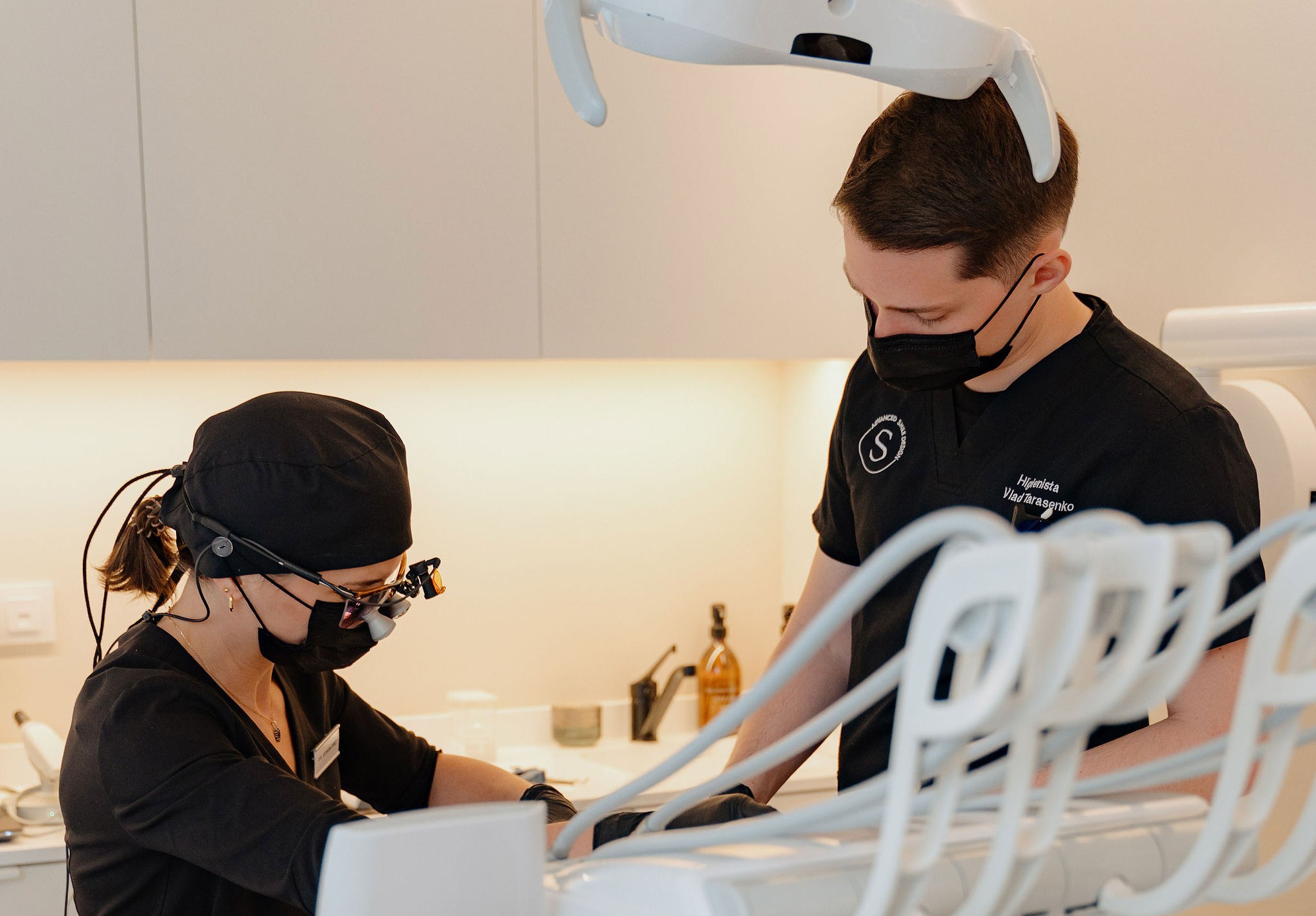
How We Plan Gum Aesthetics at SMITA
At SMITA Advanced Smile Design, we analyse the gums from the beginning of the smile design process.
We assess:
Periodontal health.
The gum line.
Symmetry.
The amount of visible gum.
The clinical length of the teeth.
Gum recession.
The papillae.
The thickness of the tissue.
Tooth position.
The lips.
The smile in motion.
Facial harmony.
The possible restorative treatment.
Depending on the case, the plan may include:
Professional hygiene and periodontal treatment.
Orthodontics.
Gum contouring.
Clinical crown lengthening.
Gum grafting.
Composite bonding.
Veneers.
Dental implants.
A combination of procedures.
We do not treat the gums in isolation.
We integrate them into the complete smile design.
Frequently Asked Questions
Do the Gums Really Influence Smile Design?
Yes. They influence the visual length, proportions, symmetry, tooth display and the relationship between the teeth and lips.
Can a Tooth Look Short Because of the Gum?
Yes. When the gum covers part of the crown, the tooth may appear shorter and wider.
Does Every Gummy Smile Need a Gingivectomy?
No. Treatment depends on the cause, which may involve the tissue, bone, lip, upper jaw, tooth position or a combination of factors.
Should the Gums Be Treated Before Veneers?
When there is inflammation or the gum line needs to be modified, treatment is usually completed first.
Can Veneers Affect the Gums?
Yes, when they are overcontoured, have inadequate margins, retain excess cement or make oral hygiene difficult. A well-designed restoration should integrate with the tissue.
Can the Gums Grow Back?
Some tissue rebound may occur when treatment has not been planned according to the bone level and periodontal anatomy.
Can Gum Recession Be Corrected?
In some cases, yes, through gum grafts or mucogingival surgery. Predictability depends on the anatomy, support and underlying cause.
Why Do Black Triangles Appear After Orthodontics?
They may result from tooth shape, the position of the contact point, bone loss or the absence of an interdental papilla.
Can Orthodontics Improve the Gum Line?
Yes. It may change the vertical position of the teeth and improve certain differences in height and proportion.
Should Every Gingival Asymmetry Be Corrected?
No. Treatment is recommended only when the asymmetry is visible, affects harmony and the benefit justifies the intervention.
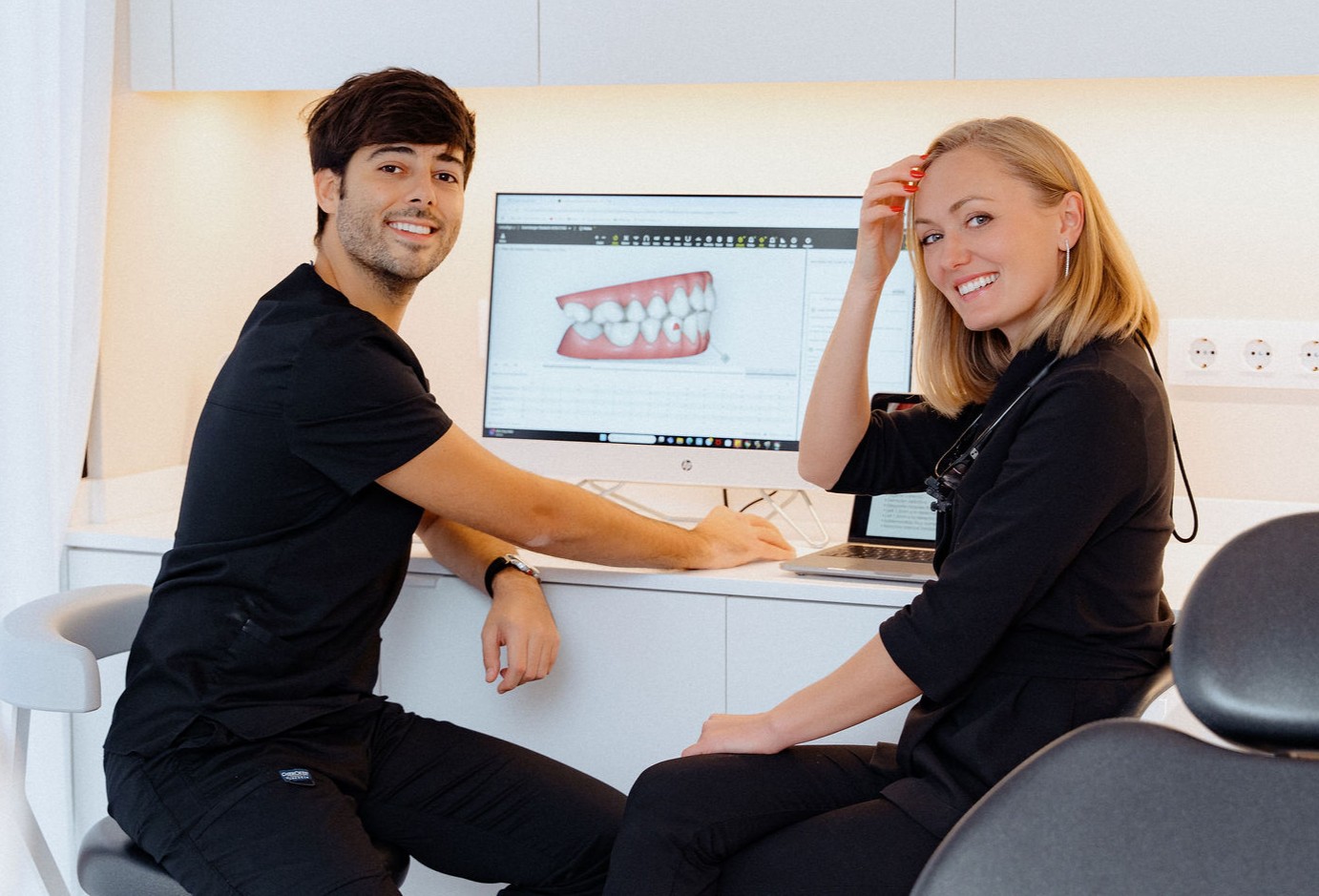
Conclusion
The gums are an essential part of Digital Smile Design.
Their height, shape, symmetry, thickness and health change the way the teeth are perceived and influence the relationship between the smile, lips and face.
Before changing tooth colour or shape, we need to understand how the gingival tissue affects the result.
In some cases, improving gum health will be enough.
In others, treatment may involve orthodontics, gum contouring, crown lengthening, gum grafting, composite bonding or veneers.
At SMITA Advanced Smile Design in Barcelona, we do not design only the teeth.
We design the complete relationship between the gums, teeth, lips and face.
The aim is to create a personalised, healthy, natural and harmonious smile.
Book an assessment at SMITA and discover how gum aesthetics can transform your smile.