One of the most common questions patients ask when they start considering aesthetic dental treatment is:
“How many veneers do I need?”
Two?
Four?
Six?
Or do you need eight or ten to achieve a truly beautiful smile?
The answer is that there is no standard number.
At SMITA, we never decide the number of veneers according to a formula such as “a smile makeover means 10 veneers”.
Before anything else, we need to understand two very different things:
What the smile needs clinically.
And, above all:
What the patient wants to achieve.
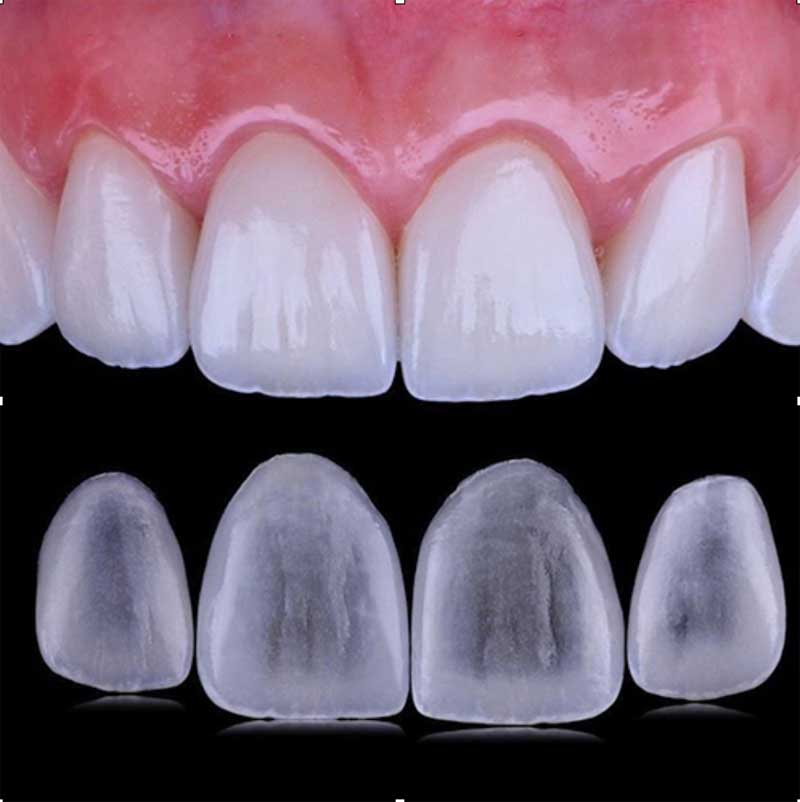
A person who simply wants to correct two small imperfections does not need the same treatment as someone looking for a complete transformation of their smile.
The right number of veneers is the minimum number that allows us to achieve a harmonious, natural and stable result without treating teeth unnecessarily.
First: what kind of change are you looking for?
Before we even start counting teeth, we ask the patient what they would actually like to change.
Some people come to us saying:
“I already like my smile. I just want to improve these two teeth.”
Others are looking for harmonisation: they want to keep essentially the same smile while improving proportions, minor wear, asymmetries or shape.
And some patients are looking for a much more visible transformation.
They want longer teeth.
A wider smile.
Greater tooth display.
A significant colour change.
A more substantial change in proportions.
None of these goals is better than another.
But the number of teeth we need to treat can be completely different.
When can 2 veneers be enough?
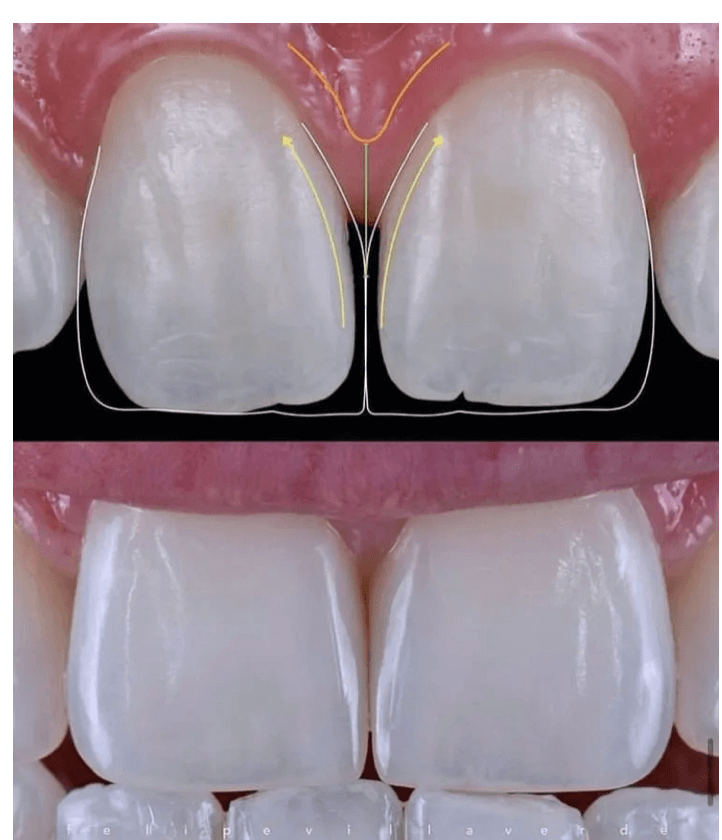
Two veneers can make perfect sense when the problem is very localised.
For example, when the two central incisors have a shape that does not harmonise well with the rest of the smile, there are old restorations, fractures, differences in size or specific defects that we want to correct.
But there is one important condition:
the rest of the teeth need to integrate well with the new design.
If we significantly change the colour, length or volume of only two teeth, they may start to look different from the neighbouring teeth.
For this reason, two veneers work particularly well when we are making a localised and highly integrated correction, rather than a complete smile transformation.
What about 4 veneers?
Four veneers usually allow us to work on the central and lateral incisors.
This can be an excellent option when the main concern is concentrated in the centre of the smile.
We can improve:
Proportions
Minor asymmetries
Lengths
Small spaces
Shape of the lateral incisors
Localised wear
Old restorations
But once again, we need to ask:
what happens when the patient smiles widely?
If the canines and premolars are highly visible, making a major transformation only to the four incisors could create a transition that looks too obvious.
This is why we do not decide the number of veneers by looking at an intraoral photograph of four teeth.
We need to look at the entire smile within the face.
6 veneers: canine to canine
Treating six upper teeth — from canine to canine — allows us to modify almost the entire anterior segment.
It is a common option when we need to harmonise:
Central incisors
Lateral incisors
Canines
The main advantage is that we have much greater control over the transition of shape, proportions and colour throughout the anterior zone.
It can also be particularly useful when we want to modify the incisal curve or restore anterior wear.
At SMITA, when we work with composite, many of these cases can be treated using additive and minimally invasive techniques, preserving natural enamel and adding material only where we need to restore shape and volume. This is consistent with our aesthetic rehabilitation protocol, which focuses on personalised smile design, enamel preservation and layer-by-layer composite reconstruction.
But six is not automatically “the perfect number” either.
For some smiles, it will be too many.
For others, it will not be enough.
When do we recommend 8 or 10 veneers?
This is where something that is often overlooked becomes very important:
the width of the smile.
Some people show mainly their six anterior teeth when they smile.
Others clearly show the first and even the second premolars.
If we want to create a significant transformation while leaving several highly visible teeth outside the design, there may be an obvious difference in:
Colour
Length
Volume
Shape
Texture
For this reason, in wider smiles, eight or ten veneers can create a much more natural transition.
But there is another group of patients for whom this number can be particularly appropriate:
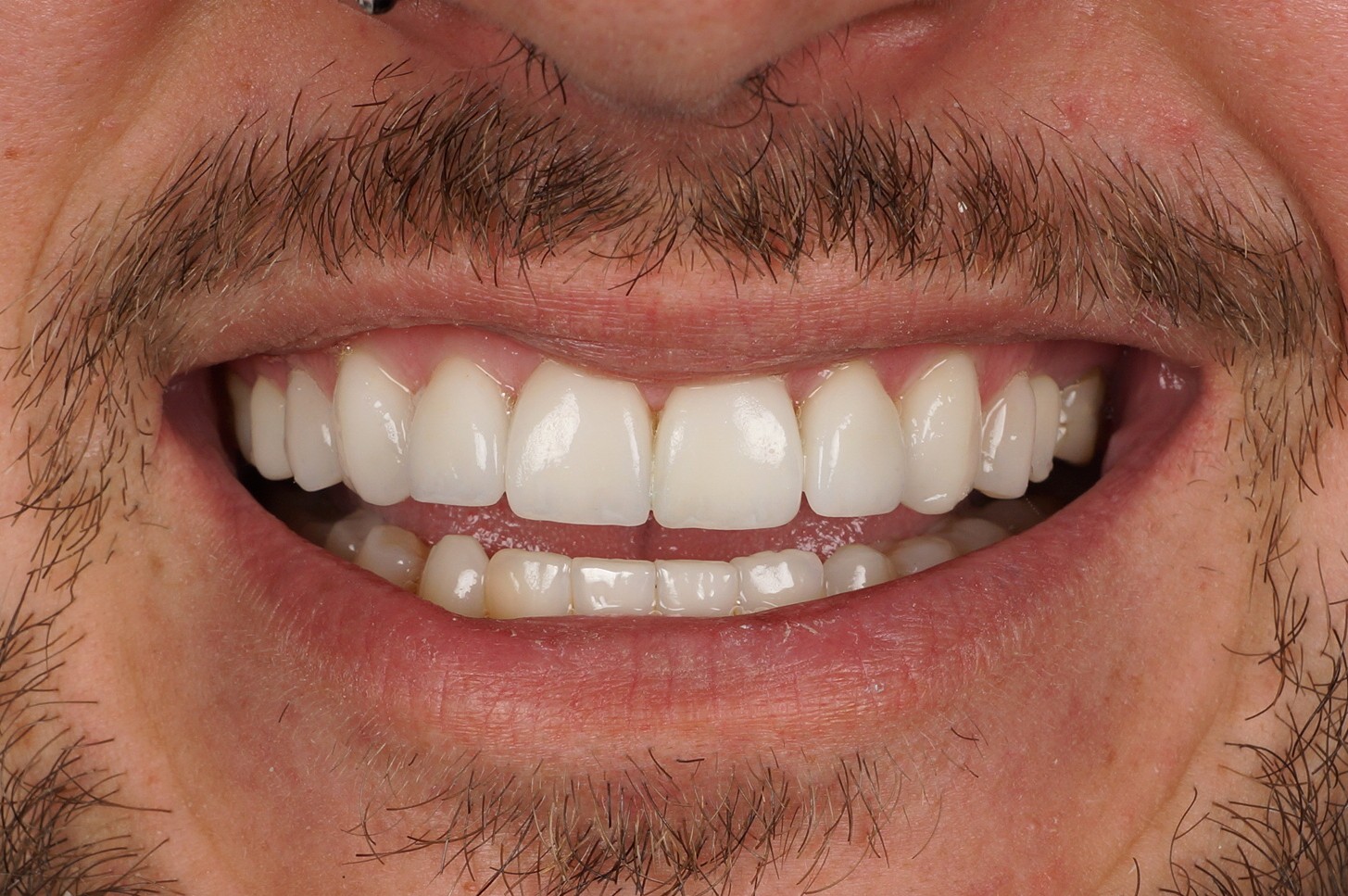
Naturally small teeth
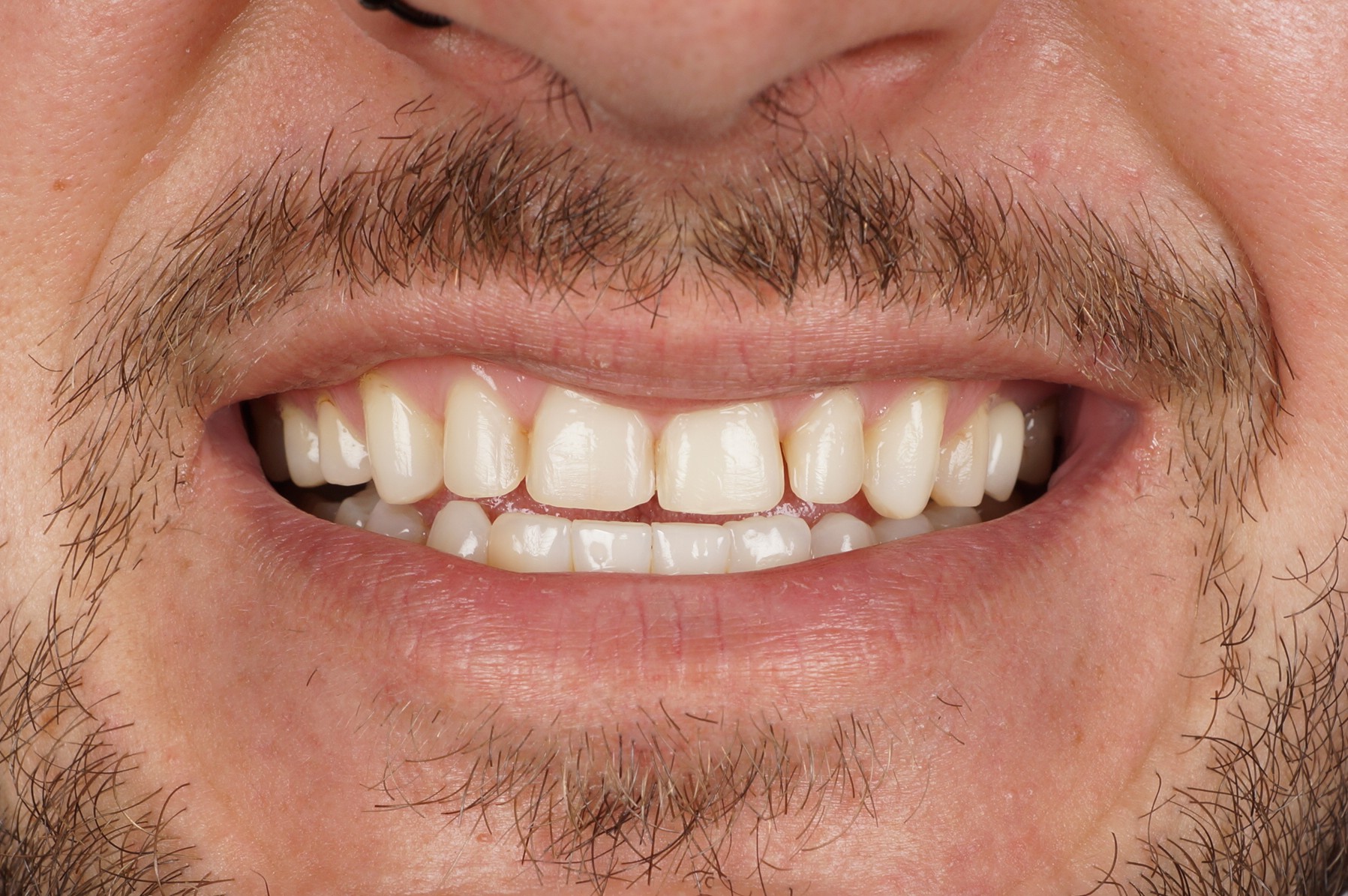
Some patients have completely healthy, well-aligned teeth that are simply proportionally small in relation to their face, lips or smile width.
There may be a lot of negative space around the teeth, short clinical crowns or an overall impression of an underdeveloped or slightly childlike smile.
In these cases, placing only four central veneers may not solve the real problem.
If we want to create a more mature, harmonious and proportionate smile, we often need to work across a wider area.
A design involving 8 or 10 additive restorations can make much more sense because it allows us to widen the smile gradually and redistribute the proportions correctly.
And most importantly:
if there is enough space to add volume, these treatments can be extremely conservative.
More veneers do not always mean more invasive treatment.
In selected cases, ten completely additive restorations may preserve more natural tooth structure than four poorly indicated veneers that require significant preparation.
That concept is fundamental to our philosophy.
Tooth size matters just as much as the number of veneers
When we plan a smile, we study the relationship between:
Tooth width and length
Lips
Smile line
Gingival display
Facial shape
Buccal corridors
Number of teeth visible when smiling
We are not simply trying to “make the teeth bigger”.
We want the proportions to work within the entire face.
A design that looks beautiful in an isolated intraoral photograph may not work once we see the patient speaking or smiling.
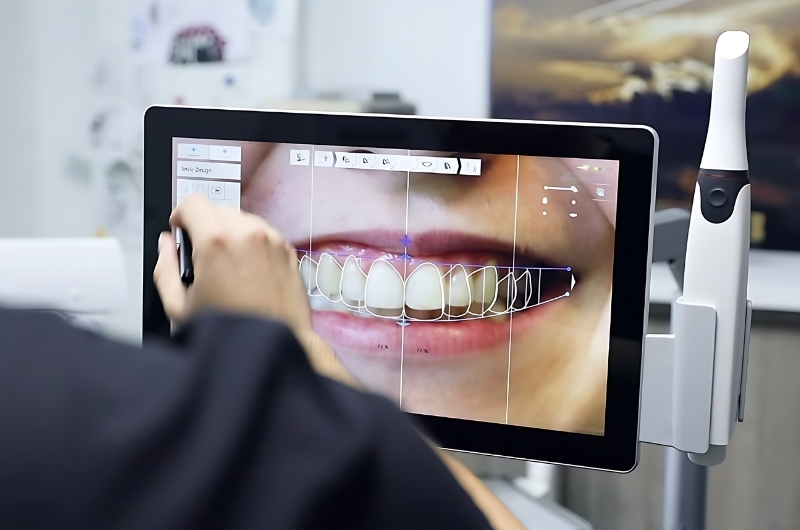
This is why, at SMITA, the number of veneers forms part of Digital Smile Design, rather than being an isolated decision.
Tooth colour can determine how many teeth we need to treat
Another fundamental factor is colour.
If the natural teeth have a relatively uniform shade and the patient simply wants them to be lighter, we will often whiten first.
In fact, our aesthetic rehabilitation protocol uses whitening to establish the desired shade of the natural teeth before certain aesthetic restorations are carried out.
This can allow us to treat fewer teeth.
For example, we may whiten the entire smile and then restore only the four or six teeth whose shape genuinely needs to be modified.
This allows us to achieve colour integration without covering healthy teeth unnecessarily.
But there are other situations where the approach is different.
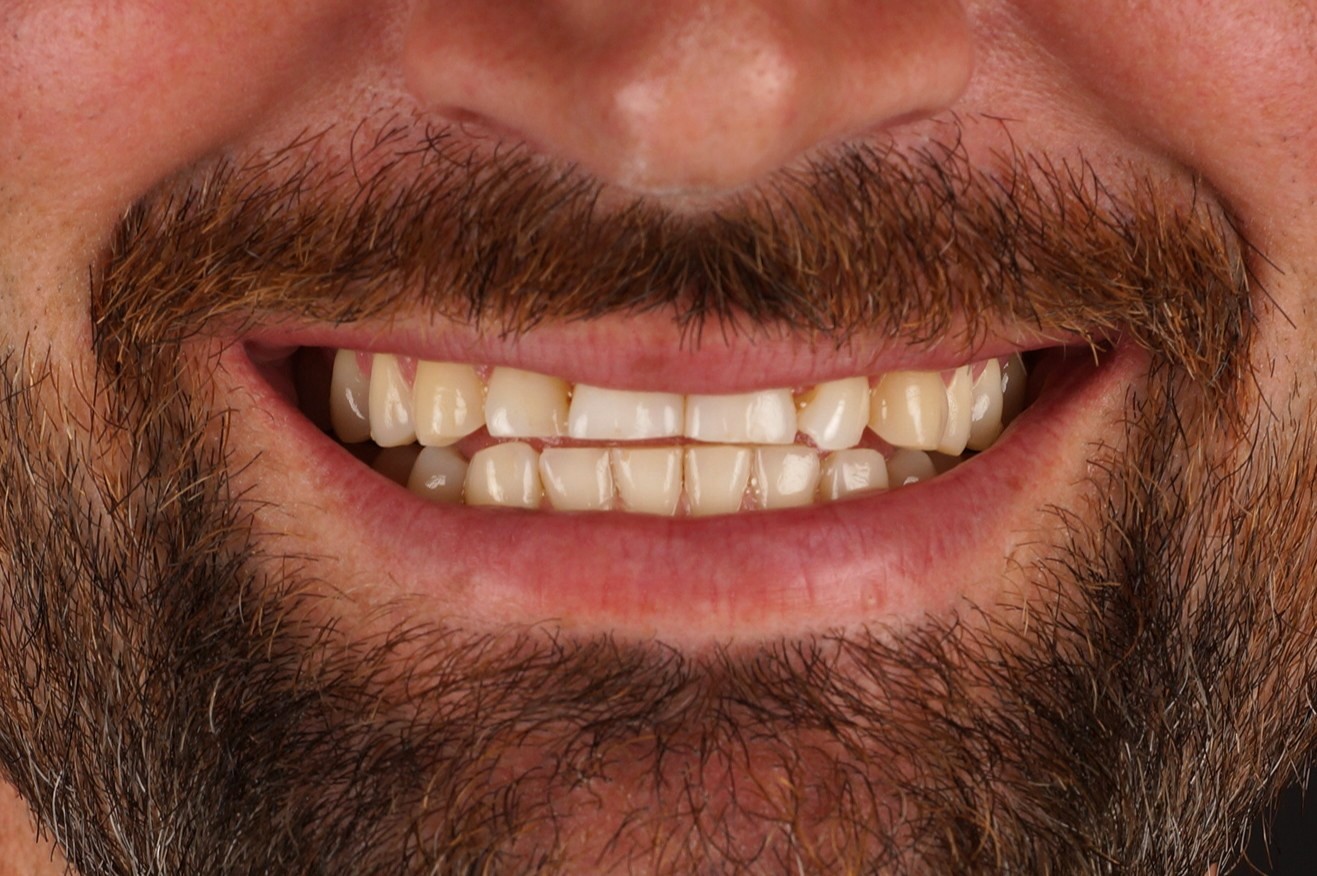
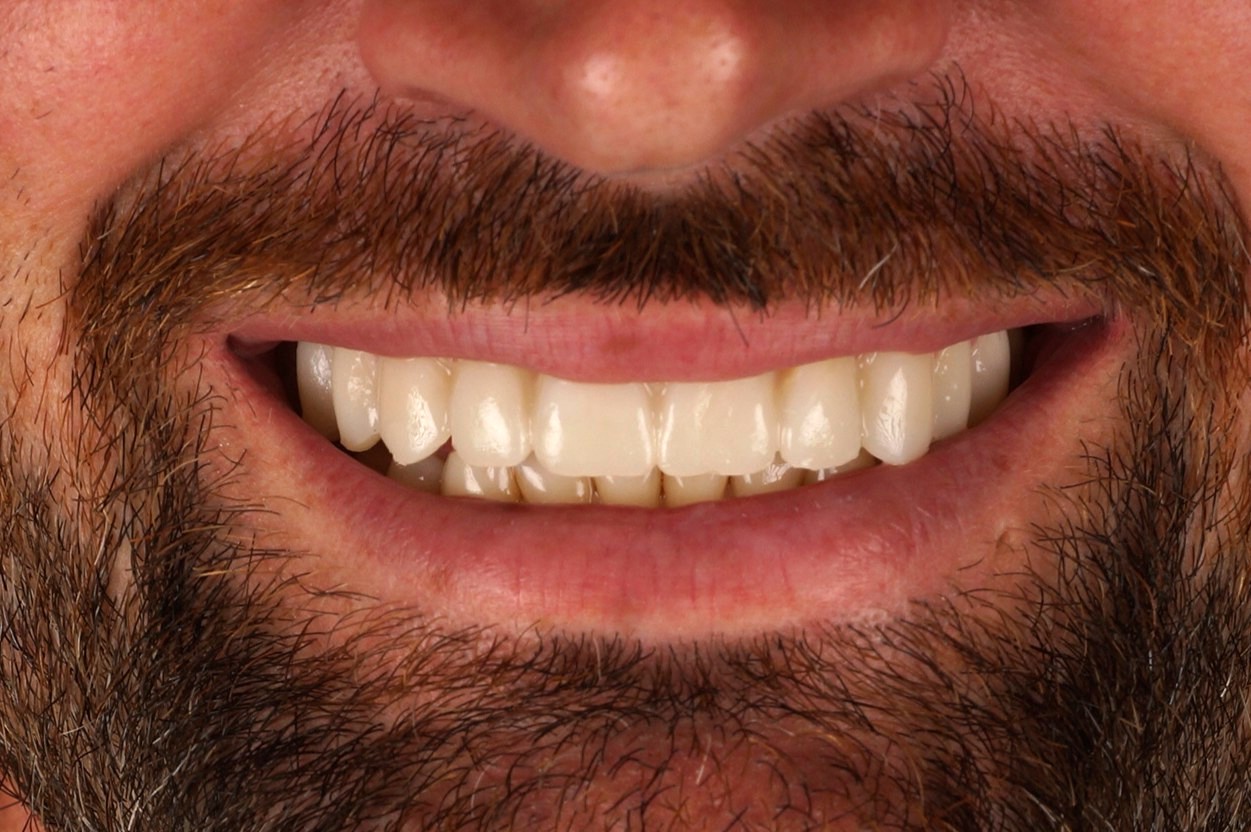
What happens with tetracycline-stained teeth?
Tetracycline staining can affect the internal colour of the tooth quite deeply and, in more severe cases, can create grey, brown or dark banding.
Here, we need to make an important distinction.
Mild tetracycline staining may respond to prolonged whitening protocols, and from a conservative point of view it always makes sense to assess this possibility first when the case is suitable.
In more severe cases, however, whitening may be insufficient, very prolonged or leave significant colour discrepancies.
In those situations, it may be necessary to restoratively cover the entire visible zone of the smile to achieve a uniform colour.
And this is where the number of veneers can increase considerably.
If we restore only the four front teeth to a lighter shade while the visible premolars still show deep staining, the final result may look artificial.
In those cases, we may need 8, 10 or even more restorations within the visible aesthetic zone, depending on how many teeth the patient shows when smiling.
The decision is not made because “more veneers are better”.
It is made because the problem affects a larger area.
What happens when there is generalised tooth wear?
This is a completely different scenario.
If a patient has lost tooth structure because of wear, erosion, bruxism or other causes, we are no longer talking simply about placing veneers to improve a smile.
We are talking about a functional and aesthetic rehabilitation.
When wear is moderate or generalised, we need to assess all the affected teeth.
It would not make sense to restore only six anterior teeth if there is significant structural loss in the posterior areas that affects the bite and function.
In these cases, we study:
Amount of tooth structure lost
Bite
Vertical dimension
Bruxism
Erosion
Anterior and posterior contacts
Function
Restorative space
And, when indicated, we design a more comprehensive rehabilitation.
Modern dentistry has evolved towards increasingly additive and minimally invasive rehabilitation of worn dentitions, using composite and adhesive restorations to restore lost structure without automatically resorting to aggressive preparation of every tooth.
In these cases, the number of restorations is not determined by aesthetics alone.
It is determined by which teeth need their structure and function restored.
Tooth position can completely change the treatment plan
Before deciding how many veneers we need, we also have to look at where the teeth are positioned.
A rotated tooth may appear narrow.
A tilted tooth may appear shorter.
A protruding incisor may require considerable preparation if we try to change its apparent position with a veneer alone.
Our philosophy here is very clear:
if the main problem is tooth position, we prefer to move the tooth before shaving it.
This is why Invisalign can be part of many smile designs.
Orthodontic treatment beforehand can mean that later we need:
Fewer restorations
Less added volume
Less tooth preparation
Or even no veneer at all on certain teeth
The goal is not to perform the smallest possible number of procedures at any cost.
The goal is to achieve the result with the lowest possible biological cost.
The gums can also change the number of veneers
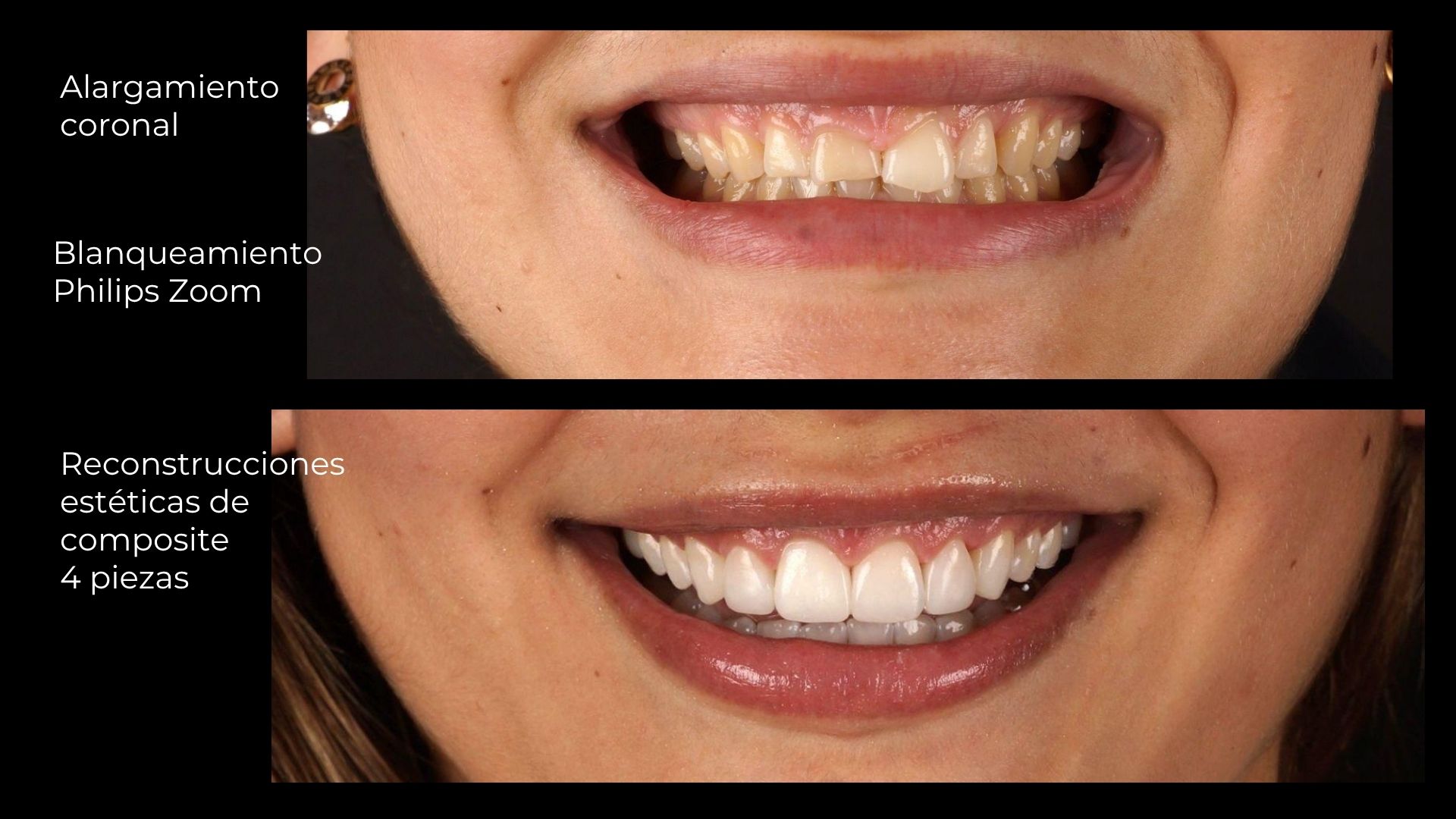
Sometimes teeth appear too small, but the problem is not only the tooth itself.
There may be:
Excess gingival display
Asymmetrical gingival margins
Altered passive eruption
Inflammation
Recession
Before artificially increasing tooth length with restorations, we need to assess the gingival architecture.
In certain cases, a well-planned periodontal correction can improve the proportions and reduce the amount of restorative volume required afterwards.
Again:
first we diagnose the cause, and only then do we decide how many teeth genuinely need restoration.
The bite and bruxism matter too
We do not design veneers by looking only at a frontal photograph.
The bite matters.
A lot.
If there is bruxism, wear, unfavourable contacts or an altered anterior guidance, these need to be assessed before deciding how much and how extensively to restore.
A patient may initially want only four veneers for aesthetic reasons, but the functional analysis may show that other issues need to be stabilised first.
Or the opposite may happen: once tooth position or function is corrected, we may need to restore much less than initially expected.

What about budget?
That matters too.
A treatment plan has to be clinically and financially realistic for the patient.
Some people want a complete transformation and are prepared to invest in a broader ceramic rehabilitation.
Others prefer a more subtle change.
Or they may prefer to carry out treatment in stages.
Or choose composite because it is more conservative, repairable and generally more affordable than laboratory-made ceramic restorations.
That is part of the conversation.
But there is an important limit:
budget can help us choose between different clinically correct options; it should never push us towards a biologically incorrect treatment.
If four veneers would create a poorly integrated result, we should not recommend four simply because they cost less.
We can explore other solutions:
Whitening
Composite
Orthodontics
Staged treatment
Waiting
Or even not treating yet
The plan must remain safe and coherent.
More veneers do not necessarily mean a better result
This is probably one of the most important messages in the article.
There is no benefit in treating ten teeth if we can achieve the same result by treating four.
But there is also no particular virtue in treating only four if that creates a poorly integrated smile.
Minimally invasive dentistry does not mean using the smallest possible number of veneers.
It means preserving the greatest possible amount of healthy tissue while achieving the correct result.
Sometimes that means two restorations.
Sometimes six.
Sometimes ten completely additive restorations.
And in a worn dentition rehabilitation, it may mean many more teeth.
The diagnosis comes first.
So how do we really know whether you need 4, 6 or 10 veneers?
Here is probably the best part:
you do not need to decide immediately.
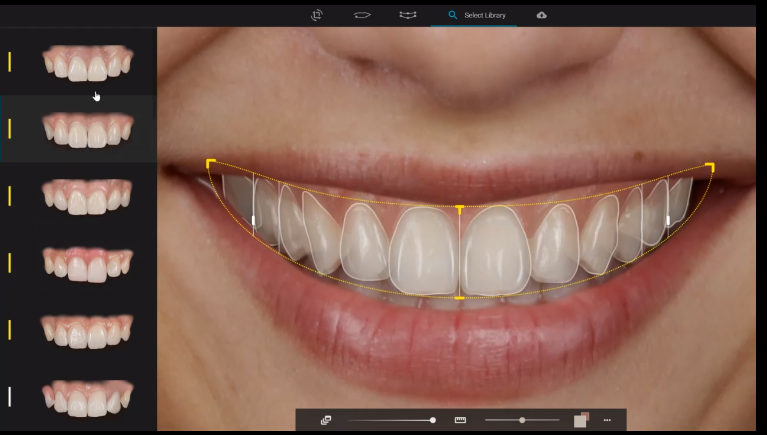
At SMITA, we use digital planning precisely so that we can test these decisions before carrying out definitive treatment.
First, we take photographs and perform facial analysis.
We can carry out a 3D scan.
We digitally design different possibilities.
We study the smile within the face.
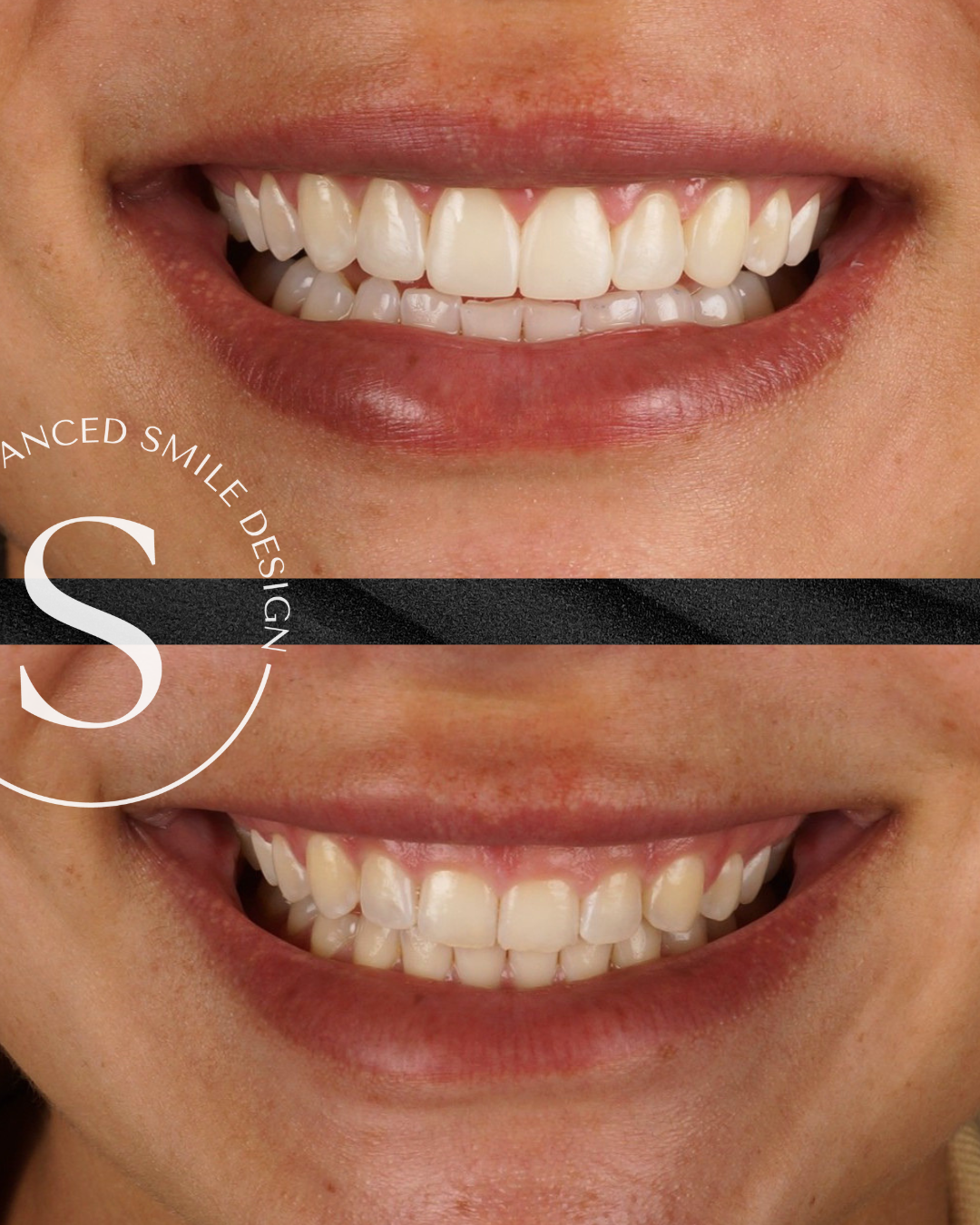
And then, when indicated, we can transfer the design into the mouth using a completely reversible mock-up.
This means you can see and try the proposal before any definitive restorations are made.
We can even test two different designs
Imagine that we are unsure whether to treat four teeth or ten.
We do not need to make that decision based only on a screen.
We can design a more limited option:
4 veneers
And a more complete option:
8 or 10 veneers
We can compare both designs digitally.
And, when the case allows it, we can create different mock-ups so the patient can see how the smile actually changes.
You can look in the mirror.
Speak.
Smile.
Take photographs.
See how the design integrates with your face.
Decide whether you want a subtle change or a more visible transformation.
And tell us:
“I prefer the more natural version.”
“I would like a little more length.”
“I like how the smile looks wider with ten.”
“Actually, I am already very happy with four.”
This patient participation is fundamental.
We provide the diagnosis and the biological limits. The patient participates in the aesthetic decision.
Designing first also helps prevent overtreatment
Modern digital dentistry allows us to answer the question “how many veneers do I need?” in a much more intelligent way than simply counting teeth.
We can simulate.
Measure.
Compare.
Modify.
Test.
And then decide.
This means we can avoid unnecessary treatment.
It also allows us to detect when a proposal that is too limited will not integrate properly before carrying it out.
For us, both are part of conservative dentistry.
Do not treat too much.
But also do not under-treat a case only to have to correct it later.
Our philosophy at SMITA
At SMITA, we do not begin a smile design by asking:
“How many veneers are we going to place?”
We start by asking:
“What would you like to improve, and what is the most conservative way to achieve it?”
Then we analyse:
The smile
The face
The teeth
The gums
The colour
Tooth position
The bite
Wear
Function
And the patient’s expectations
Only then do we decide whether the patient needs two, four, six, eight, ten or no veneers at all.
Because the best smile design is not the one with the greatest number of restorations.
Nor necessarily the one with the fewest.
It is the one that achieves exactly the change that patient needs while preserving as much of their natural teeth as possible.
And when there is any doubt, we do not have to guess.
We design, simulate and test before deciding.

Frequently Asked Questions
How many veneers are usually needed?
There is no standard number. Depending on the smile and the desired result, 2, 4, 6, 8, 10 or more restorations may be used. The number should be decided after analysing how many teeth are visible when the patient smiles and what change we are trying to achieve.
Can I have only 4 veneers?
Yes, when the concern is localised to the four incisors and we can integrate their shape and colour properly with the neighbouring teeth. For a broader transformation, four may not be enough.
Is it better to have 8 or 10 veneers?
Not necessarily. They can be particularly useful for patients with a wide smile, proportionally small teeth, significant colour changes or those looking for a full smile transformation. If we can achieve the result by treating fewer teeth, there is no reason to restore healthy teeth unnecessarily.
How many veneers do I need if my teeth are small?
It depends on how many teeth are visible and on the proportions of the entire smile. When the teeth are generally small and the goal is to widen and develop the smile, it may make more sense to design 8 or 10 teeth rather than modifying only the four central teeth.
How many veneers do I need if I have tetracycline staining?
It depends on the severity of the staining. Mild cases may respond to whitening, while severe cases may require restorations to mask the colour. When the staining affects the entire visible smile, a larger number of teeth may need to be treated to achieve colour uniformity.
If I have tooth wear, do I need veneers on every tooth?
Not necessarily veneers, but if the wear is generalised, all affected teeth need to be assessed. In moderate or severe cases, a wider rehabilitation may be required to restore both aesthetics and function.
Can I choose between 4 and 10 veneers before deciding?
In many cases, yes. We can design different options and compare them digitally. We can also transfer the design into the mouth using a mock-up so that you can visualise the change reversibly before definitive treatment.
Do more veneers mean more tooth shaving?
Not necessarily. In selected cases, especially with composite or additive techniques, several teeth can be restored without mechanical tooth reduction. Invasiveness depends on tooth position, anatomy, material and preparation design — not simply on the number of veneers.
Does budget influence the number of veneers?
It can influence the material, extent of the aesthetic change or whether treatment is carried out in phases, but always within clinically appropriate options. We never recommend compromising dental health simply to reach a particular number of restorations.
More about the SMITA team:
Book your appointment at SMITA: