“I want to improve my smile, but I don’t want my teeth to be filed down.”
This is a concern we hear increasingly often during consultations.
And we believe it is a completely reasonable one.
When teeth are healthy, natural enamel is extremely valuable. Before modifying it, it makes sense to ask whether we can achieve the desired result in another way.
Fortunately, improving a smile does not automatically mean having veneers or shaving the teeth.
Depending on the problem, we can often make a significant aesthetic improvement through orthodontics, whitening, small composite bonding treatments, gum corrections or a carefully planned combination of conservative procedures.
In other cases, veneers may genuinely be a good solution, but even then we should analyse how much of the natural tooth actually needs to be modified.
At SMITA Advanced Smile Design in Barcelona, our philosophy is simple:
First we design the result. Then we look for the most conservative way to achieve it.
We do not begin by asking how many veneers a patient needs.
We begin by asking what they want to improve and how much natural tooth structure we can preserve.
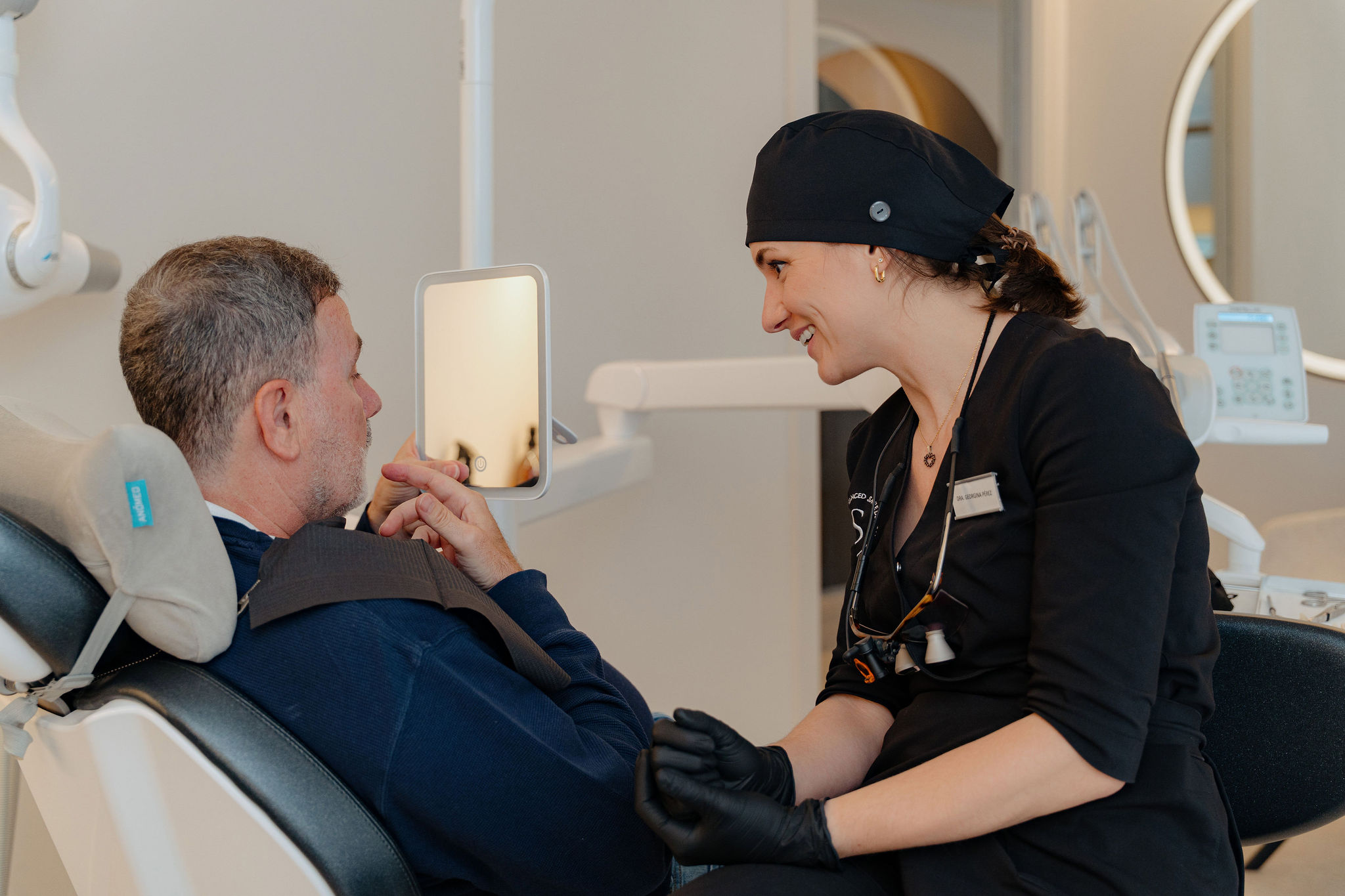
First, what does “I don’t want my teeth touched” actually mean?
When a patient tells us they do not want their teeth touched, they may mean several different things.
“I don’t want my teeth filed down.”
“I don’t want to lose enamel.”
“I don’t want crowns.”
“I don’t want an irreversible treatment.”
“I don’t want my teeth to look artificial.”
“I don’t want veneers if there is another option.”
These concerns are not exactly the same.
It is therefore useful to distinguish between three different concepts.
Treatments that do not modify tooth structure
Some treatments can improve the smile without changing the physical shape of the enamel.
For example:
Orthodontics
Teeth whitening
Certain gum treatments
These treatments can create substantial aesthetic changes without covering the teeth with restorations.
Additive treatments
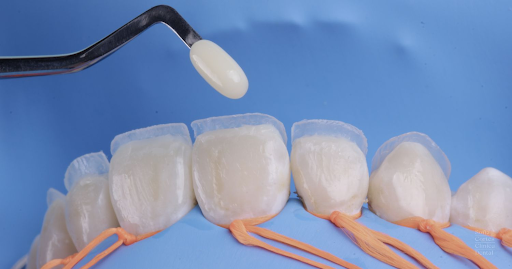
In other cases, we can add material to the tooth, usually composite, to modify small details.
For example:
Rebuilding a worn edge
Closing a small gap
Slightly modifying proportions
Repairing a fracture
Increasing the length of an incisor
In many situations, this can be achieved without significant mechanical preparation of the tooth.
This is one of the reasons why modern composite bonding can be such a valuable tool in conservative aesthetic dentistry.
Minimally invasive treatments
There are also situations where a very small amount of enamel modification may be helpful to achieve:
Better proportions
Adequate space for the material
More natural transitions
Correct adaptation
A more favourable aesthetic position
The difference between conservative and aggressive dentistry is not simply whether the enamel has been touched.
The important questions are how much tissue is modified, why it is necessary and whether a more conservative alternative exists.
Option 1: Teeth whitening
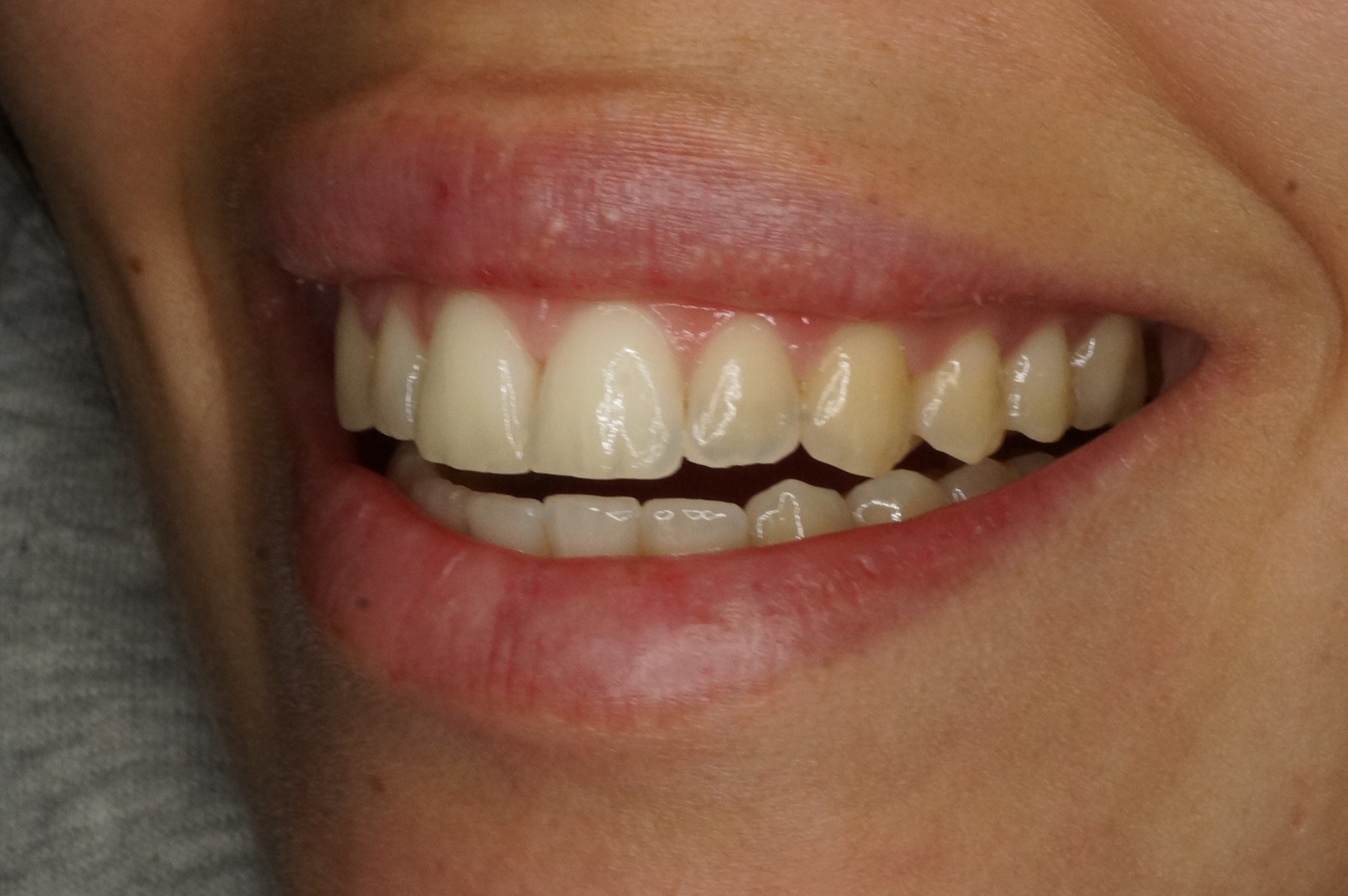
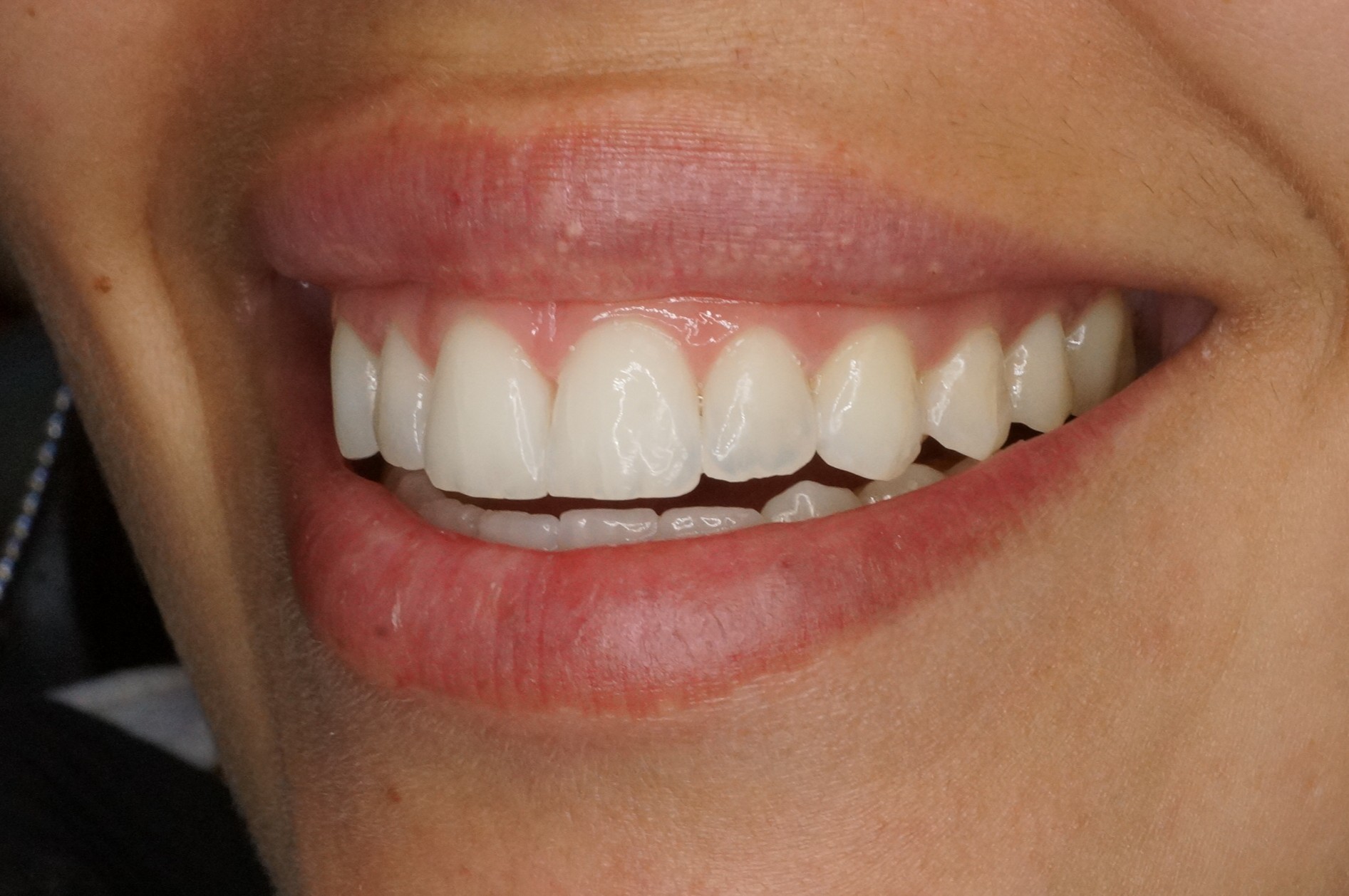
Sometimes a patient believes they need to change the shape of their teeth when what is really bothering them is the colour.
A brighter smile can dramatically change its overall appearance without modifying the anatomy of the teeth.
Whitening can improve the natural colour of the enamel and, in some cases, may be the only treatment the smile needs.
It can also be the first step before other conservative procedures.
For example:
Whitening → small composite refinements
Whitening → reconstruction of worn edges
Whitening → aesthetic reassessment
Why is it often important to whiten first when indicated?
Because composite, porcelain veneers and crowns do not whiten in the same way as natural teeth.
If we want to brighten the natural teeth and subsequently add restorative material, it usually makes sense to establish the new natural tooth colour first and then select the shade of the restorations.
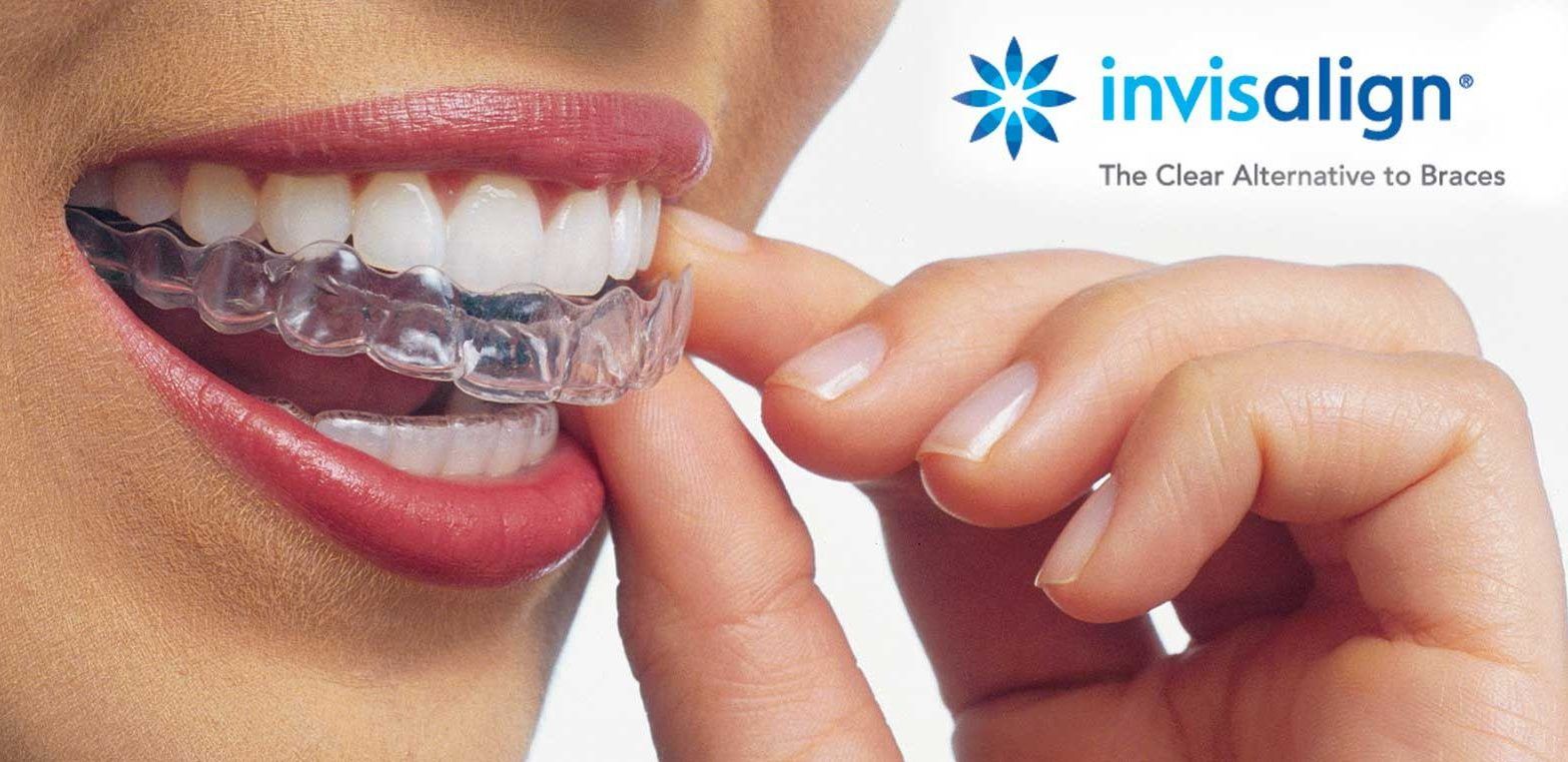
Option 2: Invisalign or invisible orthodontics
Many apparent “shape problems” are actually problems of tooth position.
A rotated tooth may appear too narrow.
An incisor inclined forwards may appear too large.
A tooth positioned further inwards may look smaller.
Crowding can make the incisal edges appear irregular.
A displaced midline can change the perception of the entire smile.
In these situations, adding material or covering the teeth with veneers should not automatically be the first solution.
We can move the teeth instead.
Invisible orthodontics can help improve:
Alignment
Rotations
Inclinations
Spaces
Dental midlines
Vertical tooth positions
Arch harmony
Certain aspects of the bite
And what is particularly interesting is that, once the teeth are positioned correctly, we often need far less aesthetic treatment than we originally expected.
Can Invisalign help avoid veneers?
In selected cases, yes.
Imagine that a patient comes to us wanting to improve six front teeth.
After analysing the smile, we discover that the main problem is crowding and tooth position.
We perform orthodontic treatment.
Once it is complete, we reassess.
Perhaps the patient now only needs whitening.
Or small composite additions to two incisal edges.
Or nothing else.
Other patients may still need restorations.
But placing the teeth correctly first can allow those restorations to become smaller and more conservative.
This is one of the most important principles of our philosophy:
Before changing a tooth, we should ask whether it simply needs to be in a better position.
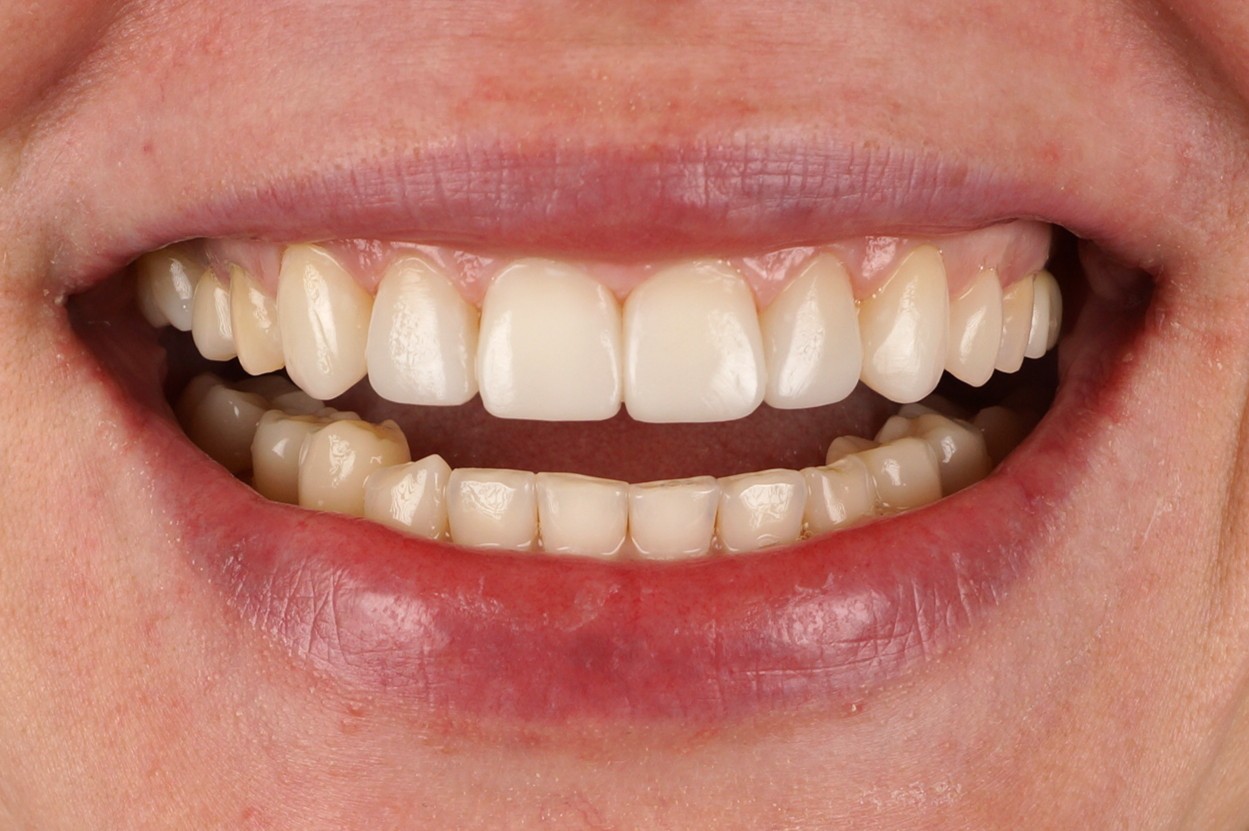
Option 3: Composite bonding
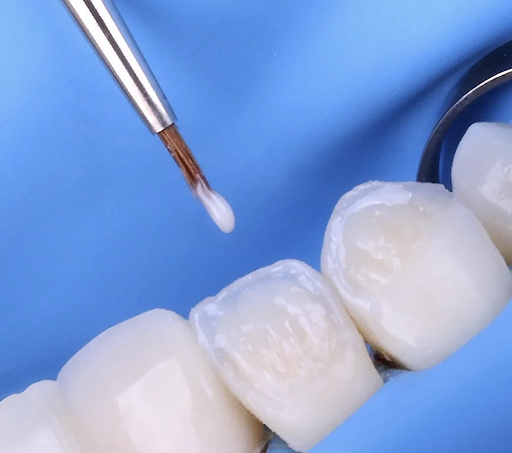
Composite is one of the most versatile materials available in conservative aesthetic dentistry.
It is an aesthetic resin that can be bonded to the tooth and shaped directly to modify specific details.
It can be particularly useful for:
Rebuilding worn edges
Repairing small fractures
Closing selected spaces
Slightly changing tooth shape
Improving proportions
Correcting small asymmetries
Adding length
Creating more harmonious transitions
One of its greatest advantages is that, in many cases, we can work primarily in an additive way.
In other words, we add what is missing rather than removing healthy tooth structure to create a completely new shape.
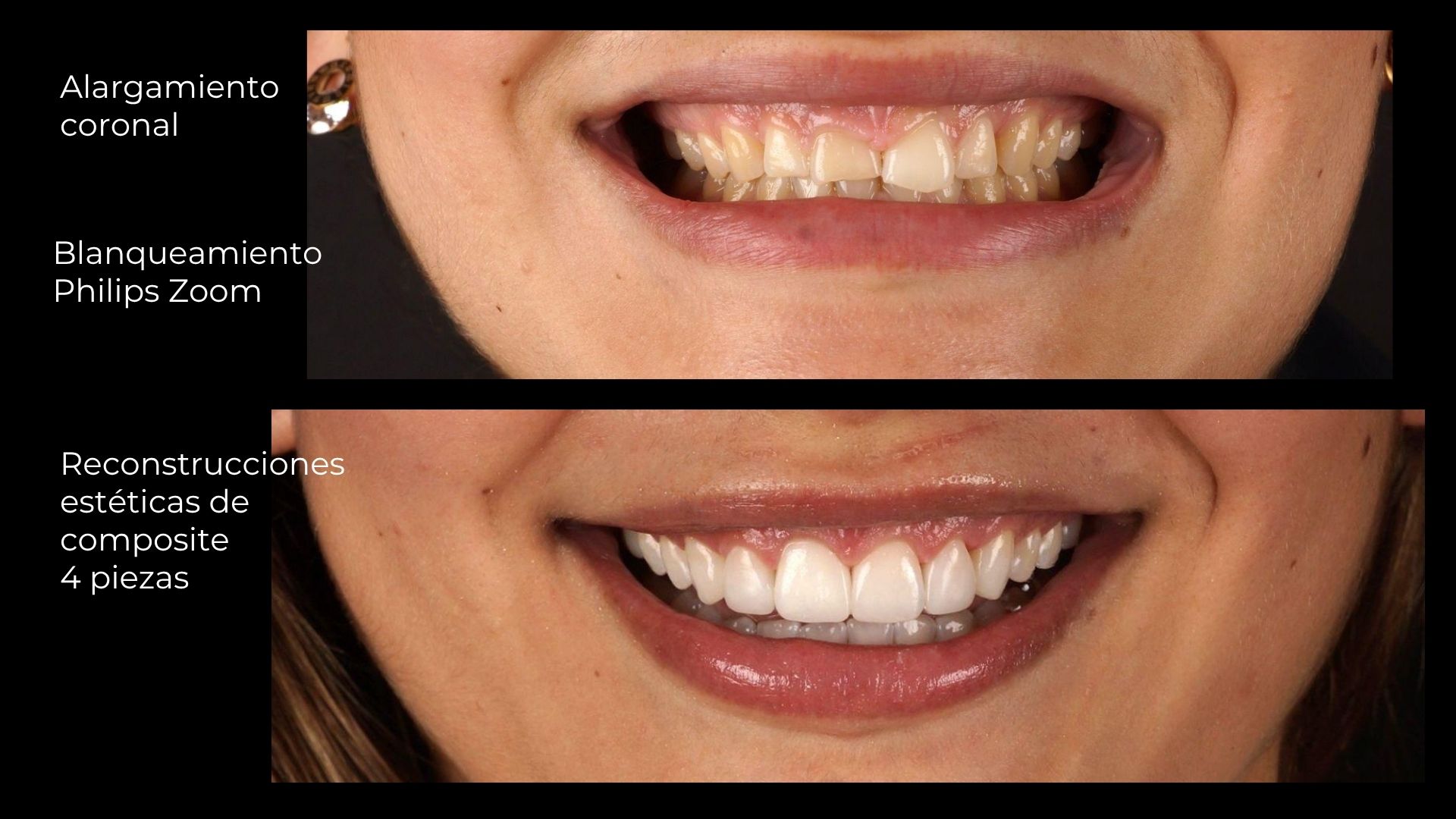
Does composite bonding mean that the tooth is not touched at all?
In the majority of composite cases at SMITA, mechanical preparation of the tooth is not necessary.
The key lies in the advanced bonding techniques used by our clinicians, which allow composite to adhere predictably to natural enamel while preserving the tooth structure.
Importantly, our experts explain explicitly, case by case, which areas of the teeth will be touched and which areas will not be touched at any stage of treatment.
We believe the patient should understand this before treatment begins.
Composite bonding is still an adhesive dental procedure. The enamel surface must be appropriately conditioned for bonding, and the restoration requires careful finishing and polishing.
But this is very different from mechanically reducing a tooth to create space for a restoration.
In many suitable cases, the philosophy is essentially:
preserve the natural tooth and add only what is missing.
This is one of the reasons why case selection and bonding technique are so important.
Option 4: Rebuilding only worn tooth edges
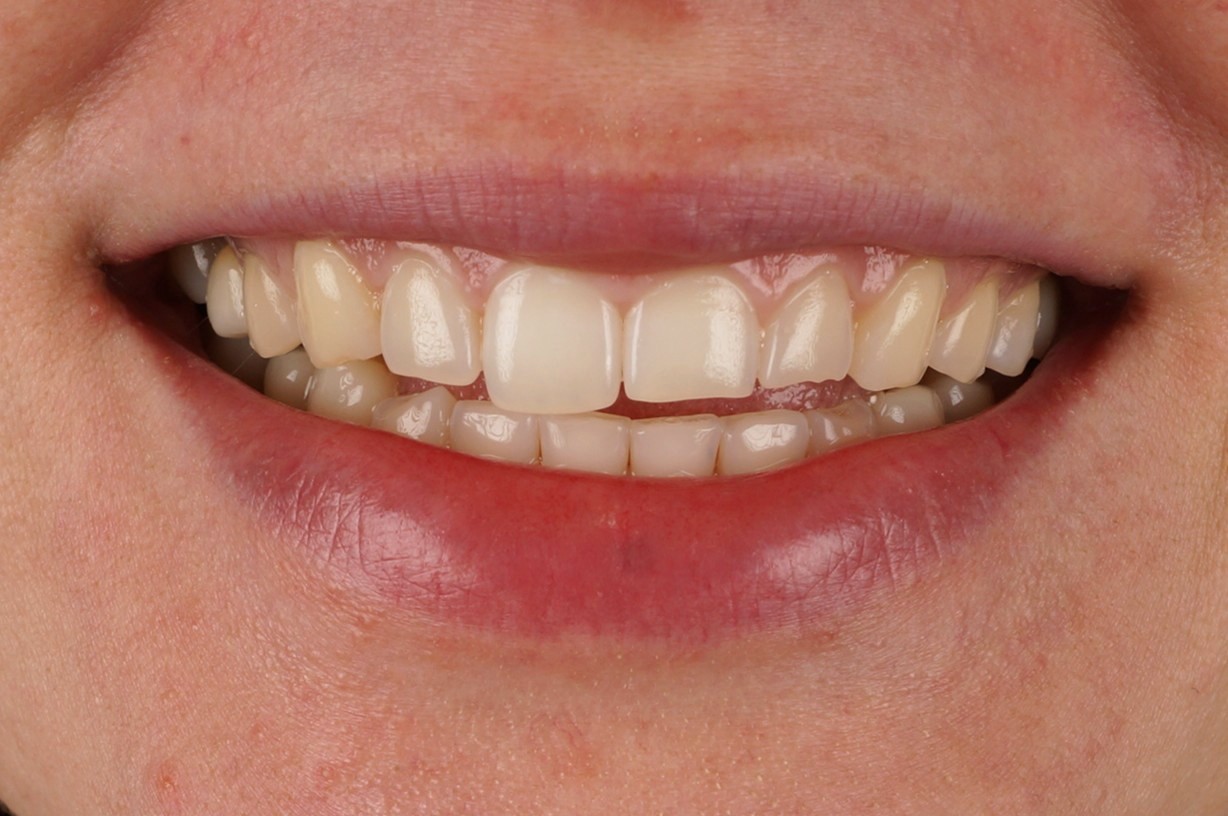
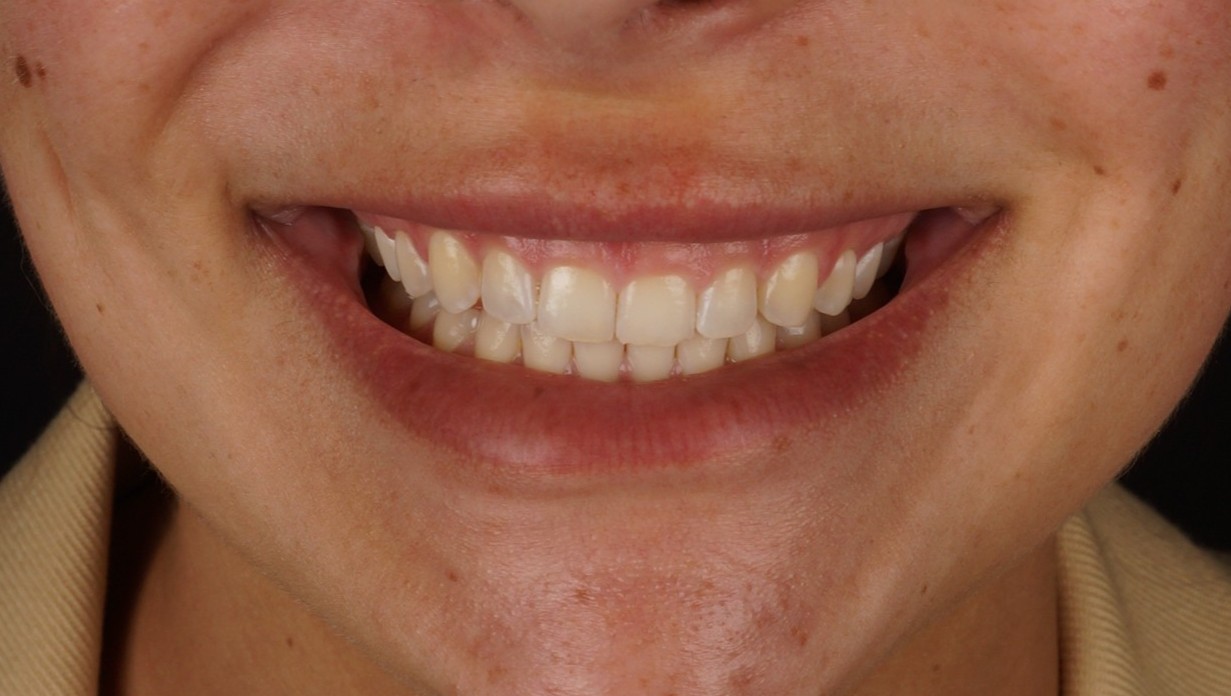
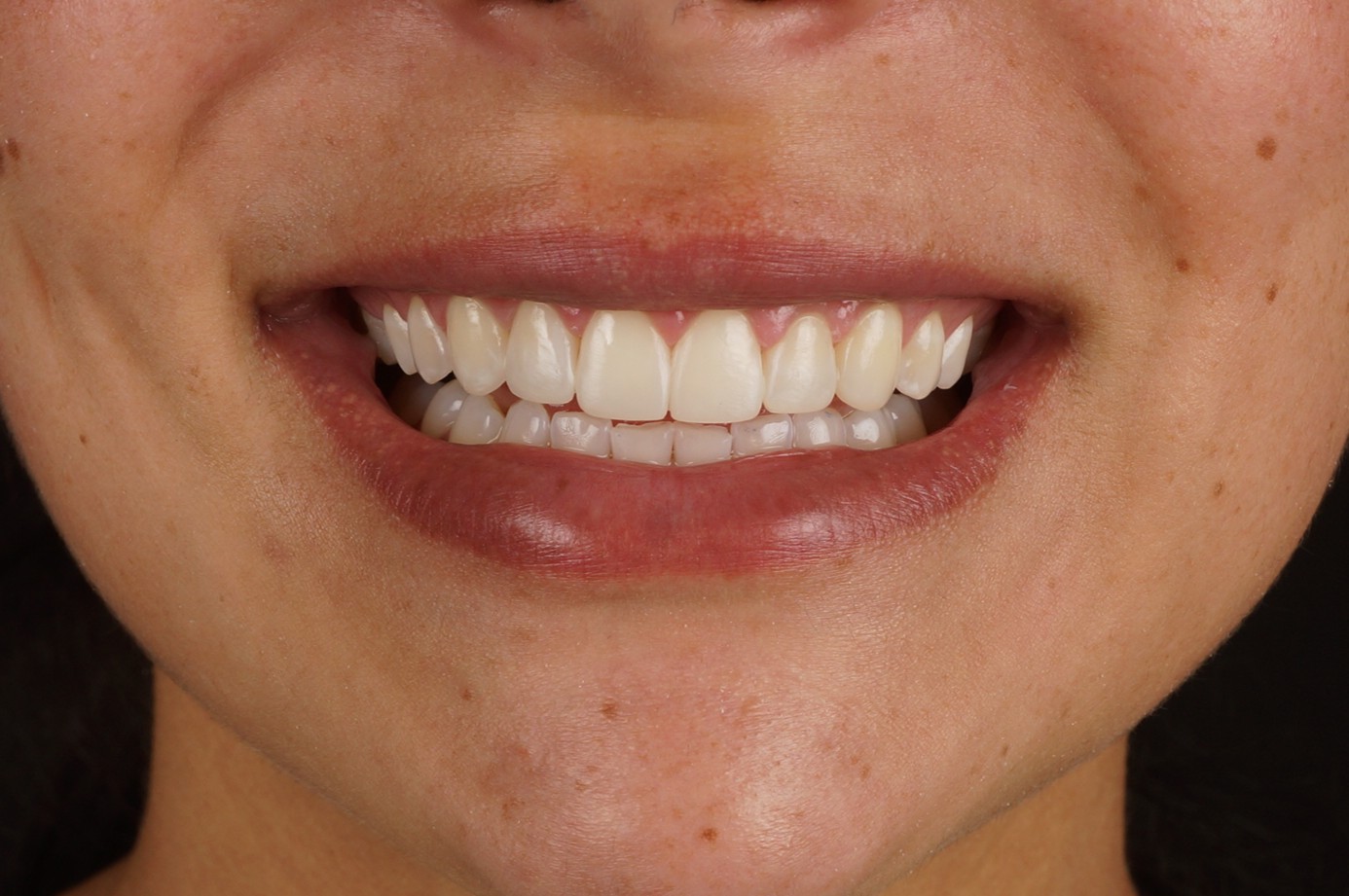
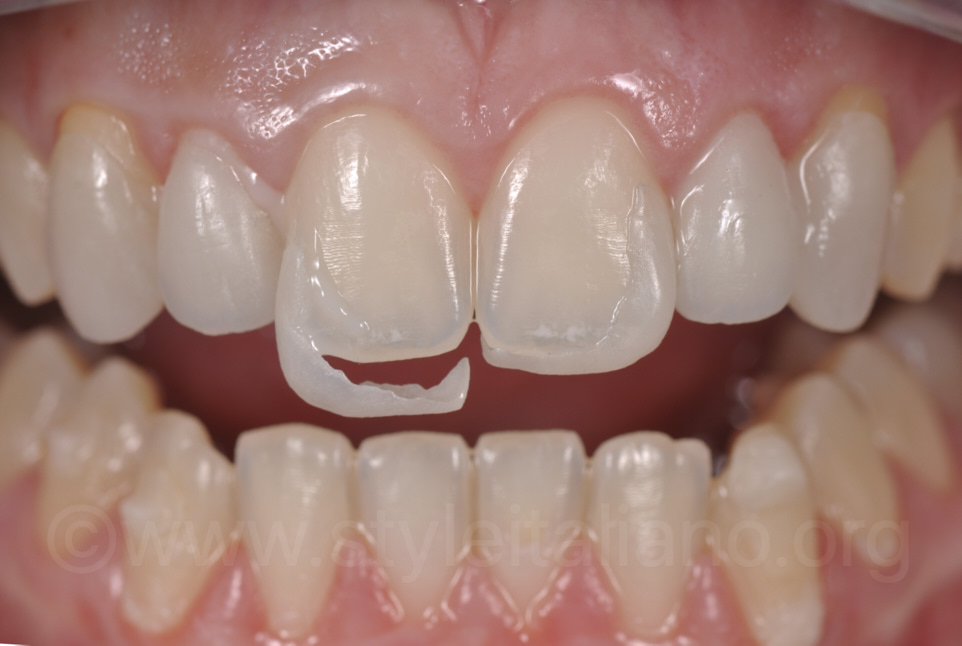
A smile may appear older or less regular simply because the edges of the incisors have become worn.
This can happen because of:
Bruxism
Habits
The bite
Erosion
Physiological wear
Small traumas
In these cases, we may not need to cover the entire surface of the tooth.
Instead, we can assess whether it is possible to reconstruct only the structure that has been lost.
Adding one or two millimetres in precisely the right place can significantly improve:
Tooth length
The smile line
Incisor display
Dental proportions
The relationship with the lower lip
However, before rebuilding worn teeth, we need to understand why they became worn in the first place.
If bruxism or an unfavourable functional situation is present, simply restoring the original shape without analysing the forces involved may compromise long-term stability.
Option 5: Improving the gums
Sometimes a patient believes their teeth are too small.
Their first thought may be that the teeth need to be lengthened with composite or veneers.
But this is not always the case.
Part of the natural tooth anatomy may simply be covered by gum tissue.
We may also find:
Asymmetrical gingival margins
Inflammation
Excessive gum display
Gum recession
Differences in gum height between similar teeth
In these situations, we should analyse the gums first.
Improving periodontal health or performing a carefully indicated gingival correction can completely change the apparent dental proportions without covering the teeth.
This demonstrates why the smile must be considered as a whole.
Teeth and gums cannot be designed independently.
Option 6: Orthodontics + whitening + composite
This is one of the combinations that best represents conservative aesthetic dentistry.
Not because every patient needs all three treatments.
But because each treatment solves a different problem.
Orthodontics improves position.
Whitening improves colour.
Composite corrects small details of shape.
Imagine a smile with slightly crowded teeth, a darker natural shade and small worn incisal edges.
Rather than trying to correct everything by covering the teeth with veneers, we can consider:
First, positioning the teeth correctly.
Then improving their natural colour.
Finally, rebuilding only the small details that still need correction.
The result can be a considerable transformation while preserving almost all of the natural dental anatomy.
Option 7: Sometimes we do not need to treat certain teeth at all
This may sound obvious, but it is an important concept.
When designing a smile, there can be a temptation to treat every visible tooth to create uniformity.
But a natural smile does not require every tooth to be identical.
There may be a small difference between the lateral incisors.
A canine may have its own character.
An incisal edge may not be perfectly symmetrical.
A minor irregularity can even make the result look more natural.
This means we also need to ask:
Does this characteristic actually need to be corrected?
Not every difference requires treatment.
And not everything we can change should necessarily be changed.
What about veneers?
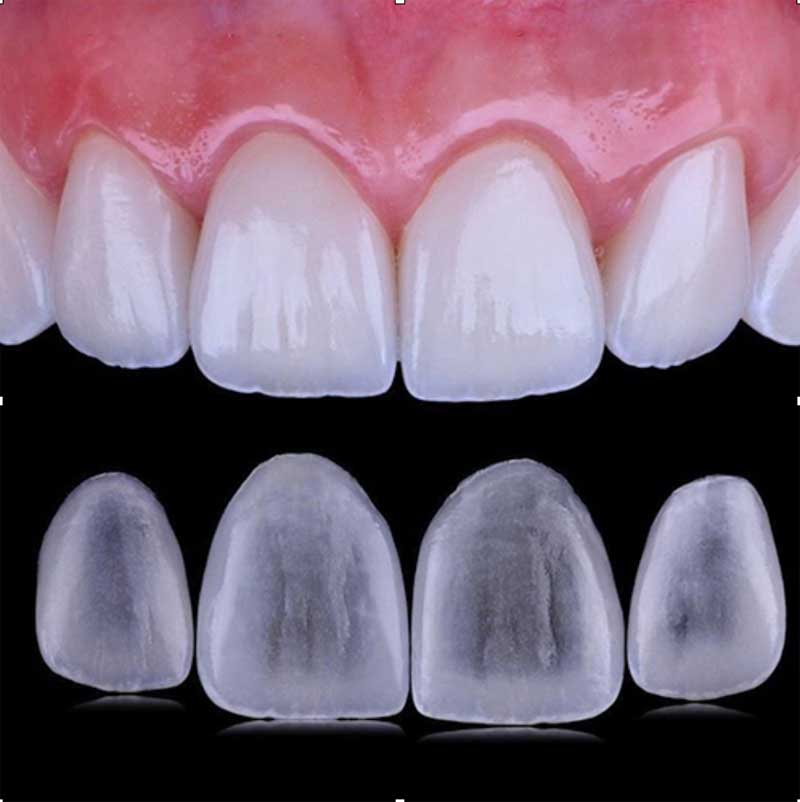
Veneers remain an excellent treatment when they are properly indicated.
The problem is not veneers themselves.
The problem arises when we try to use them to solve every aesthetic concern regardless of its origin.
A veneer can be extremely useful when more significant changes are required in relation to:
Shape
Proportions
Structure
Tooth wear
Existing restorations
Certain colour alterations
Complex combinations of several factors
But before deciding on veneers, we should analyse:
Tooth position
Available enamel
The bite
The gums
Colour
Required volume
The desired final result
Whether more conservative alternatives exist
The indication should come after diagnosis.
Are veneers possible without shaving the teeth?
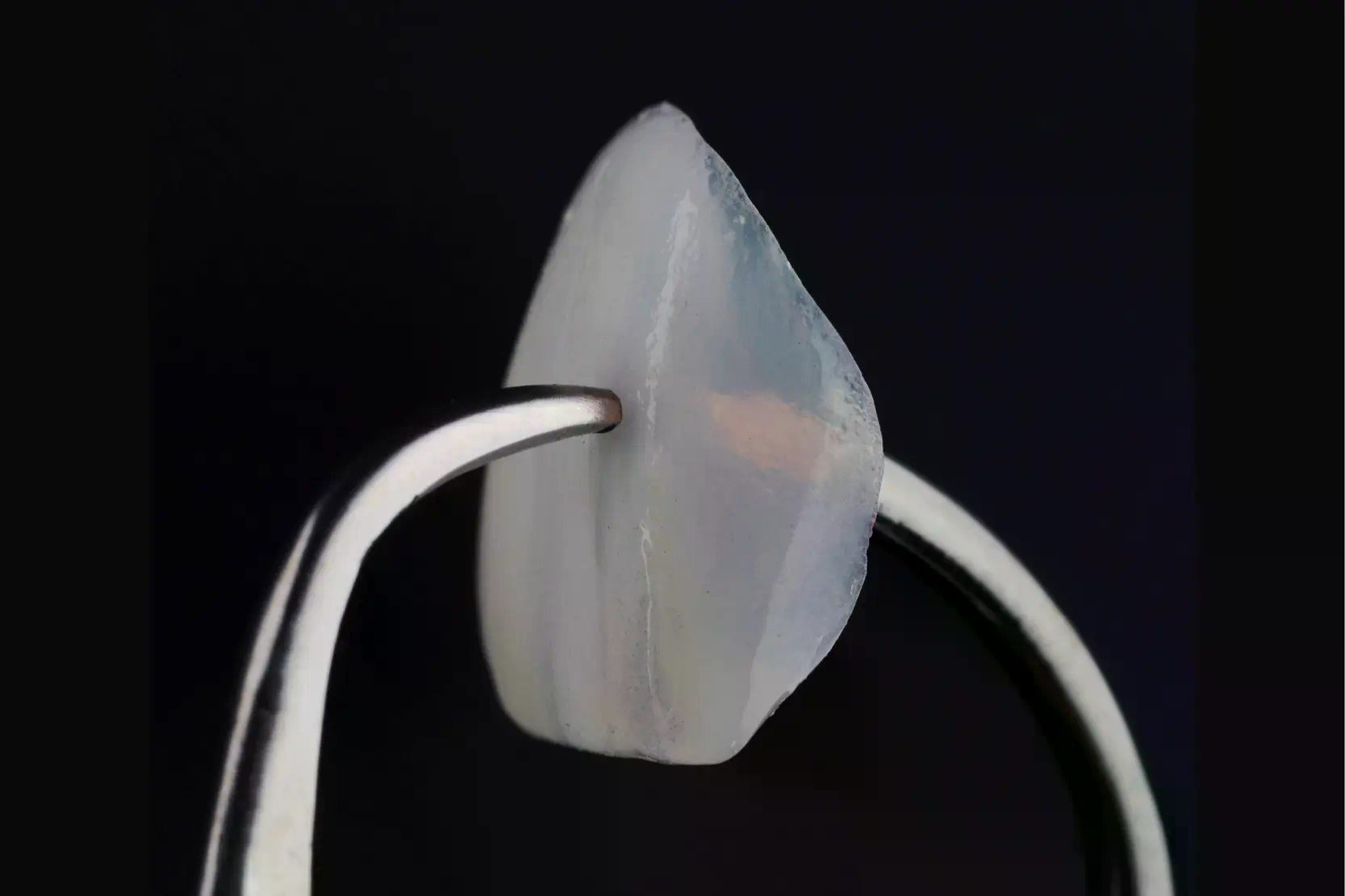
Yes, in selected cases very conservative ceramic restorations can be placed with little or even no significant tooth preparation.
However, this is not possible or advisable for every smile.
To add a veneer without reducing tooth structure, we need sufficient space.
If a tooth is already:
Positioned too far forwards
Too bulky
Rotated
Inclined outwards
Shaped in a way that requires reduction
Adding another layer of material could make it look even larger or more artificial.
No-preparation veneers work best in specific situations, particularly when we need to add volume to teeth that are already in a favourable position.
This is why “no-prep” should never be the diagnosis.
First, we determine what shape the tooth needs.
Then we assess whether we can achieve it entirely additively.
What about ultra-thin veneers?
The thickness of a veneer alone does not determine whether a treatment is conservative.
A very thin veneer may still require tooth preparation because of the initial tooth position.
Another restoration may require more material but remain completely additive because we are replacing lost tooth structure.
For this reason, treatment should not be selected simply because a material is marketed as:
Ultra-thin
No-prep
No shaving
Minimal
What matters is understanding the final design and how we can create the necessary space in the most biologically respectful way.
How do we know which option is the most conservative?
First, we need to know what the actual problem is.
Because “I don’t like my smile” is not a diagnosis.
The main concern may be:
Colour
Position
Shape
Wear
Gums
Proportions
Spaces
The bite
Or a combination of several factors.
This is why we perform a complete smile analysis.
We assess:
Oral health
Tooth position
Dental proportions
Incisal edges
The gums
The smile line
The lips
Tooth display
The face
The bite when indicated
The patient’s objectives
We can then separate each problem and choose the most conservative tool to address it.

Digital Smile Design: first decide what actually needs to change
Digital Smile Design can be particularly useful when a patient wants to improve their smile while preserving as much natural tooth structure as possible.
Why?
Because it encourages us to think about the final result first.
Before preparing a tooth, we can analyse:
What tooth length would be appropriate
Which proportions are required
Where the teeth should ideally be positioned
How they relate to the lips
What role the gums play
Which small modifications would genuinely improve the smile
We can then evaluate different ways of achieving this result.
Perhaps orthodontics.
Perhaps whitening.
Perhaps composite.
Perhaps a small gingival correction.
Perhaps selected veneers.
Or a combination.
The advantage is that we separate the smile design from the treatment itself.
First we decide what we want to achieve.
Then we find the most conservative route to get there.
A mock-up can allow us to try before deciding
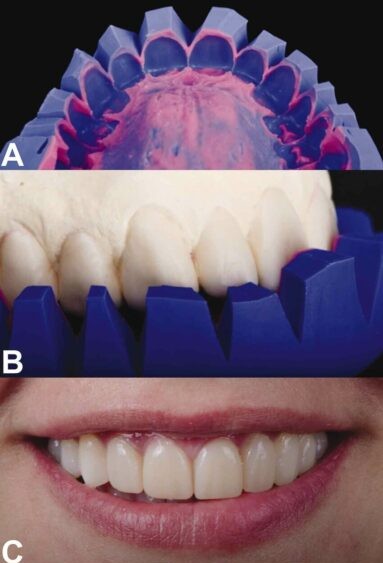
In selected cases, we can transfer the proposed design temporarily into the mouth using a mock-up.
This can help us evaluate:
Length
Proportions
Volume
The relationship with the lips
The smile line
The overall feeling of the proposed change
It can be particularly useful when we want to understand how much material would need to be added.
If the mock-up shows that the teeth become excessively bulky, this may indicate that we should first modify tooth position or reconsider the treatment approach.
A mock-up is therefore not simply a way of visualising future veneers.
It can also help us determine how to avoid unnecessarily invasive treatment.
Not touching the tooth at all is not always the best treatment
There is an important nuance here.
Preserving tooth structure is a priority.
But the objective should not become “never touch anything under any circumstances” regardless of the final result.
There are situations where a very small and carefully planned preparation can help create:
Better anatomy
Better integration
Less excessive volume
Better margins
Greater stability
A more natural result
The correct question is not simply:
“Will you touch the tooth?”
It is:
“What is the minimum intervention required to create a healthy, natural and stable result?”
Conservative dentistry does not mean doing less diagnosis
In fact, it usually means doing more planning.
The less we want to intervene, the more important it becomes to understand precisely:
Where we need to add
Where we need to move
What should not be touched
What can be preserved
How the bite will function
What will happen with the gums
How the treatment will age
What maintenance it will require
Minimally invasive dentistry is not simply about using less material.
It is about making more precise decisions.
What if I have bruxism?
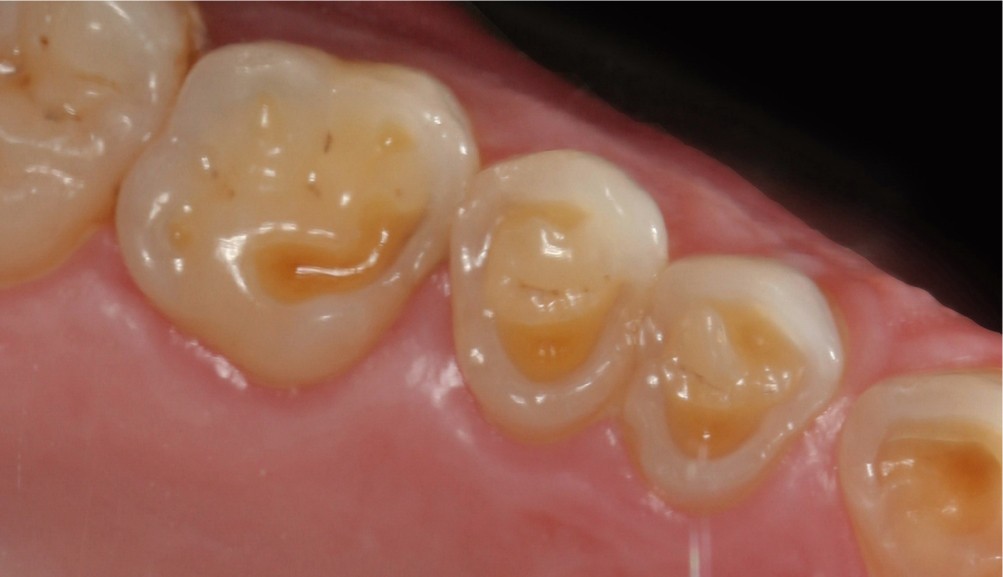
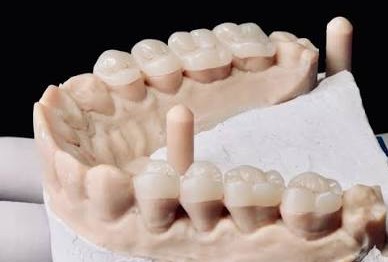
If there are signs of bruxism or tooth wear, these need to be considered before any aesthetic treatment.
We may observe:
Worn incisal edges
Fractures
Cracks
Loss of tooth length
Overloading of certain teeth
Fractured restorations
In these cases, restoring the shape alone is not enough.
We also need to analyse function and think about how to protect the result in the long term.
Depending on the case, this may involve:
Bite analysis
Stabilising certain contacts
Reconstructing lost tooth structure
Using a protective night guard
Regular reviews
A conservative treatment also needs to be stable.
How do I know whether I actually need veneers?
We cannot answer this simply by looking at a photograph of the teeth.
We need to analyse the complete smile.
One person may believe they need ten veneers and discover that orthodontics and whitening are more appropriate.
Another may think they only need whitening and discover significant tooth wear that should first be assessed.
Another may genuinely benefit from four carefully planned veneers.
And another may reach their goal with two small composite restorations.
This is why, in aesthetic dentistry, treatment should never be decided before diagnosis.
How we plan these cases at SMITA
At SMITA Advanced Smile Design in Barcelona, many patients come to us wanting an aesthetic change but with one very clear priority:
They want to continue feeling that their teeth are still their own teeth.
That objective fits closely with the way we understand aesthetic dentistry.
First, we want to understand:
What you would like to change
What you already like about your smile
What you want to preserve
How significant a change you are looking for
What level of intervention you feel comfortable with
We then analyse the clinical situation and design the different possibilities.
Our objective is not to create the biggest transformation.
It is to find the right transformation.
Sometimes that means whitening.
Sometimes Invisalign.
Sometimes composite bonding.
Sometimes a small gum correction.
Sometimes veneers are necessary.
And often it is a carefully sequenced combination.
But we always try to begin from the same principle:
preserve first, add whenever possible and remove natural structure only when there is a clinical reason to do so.
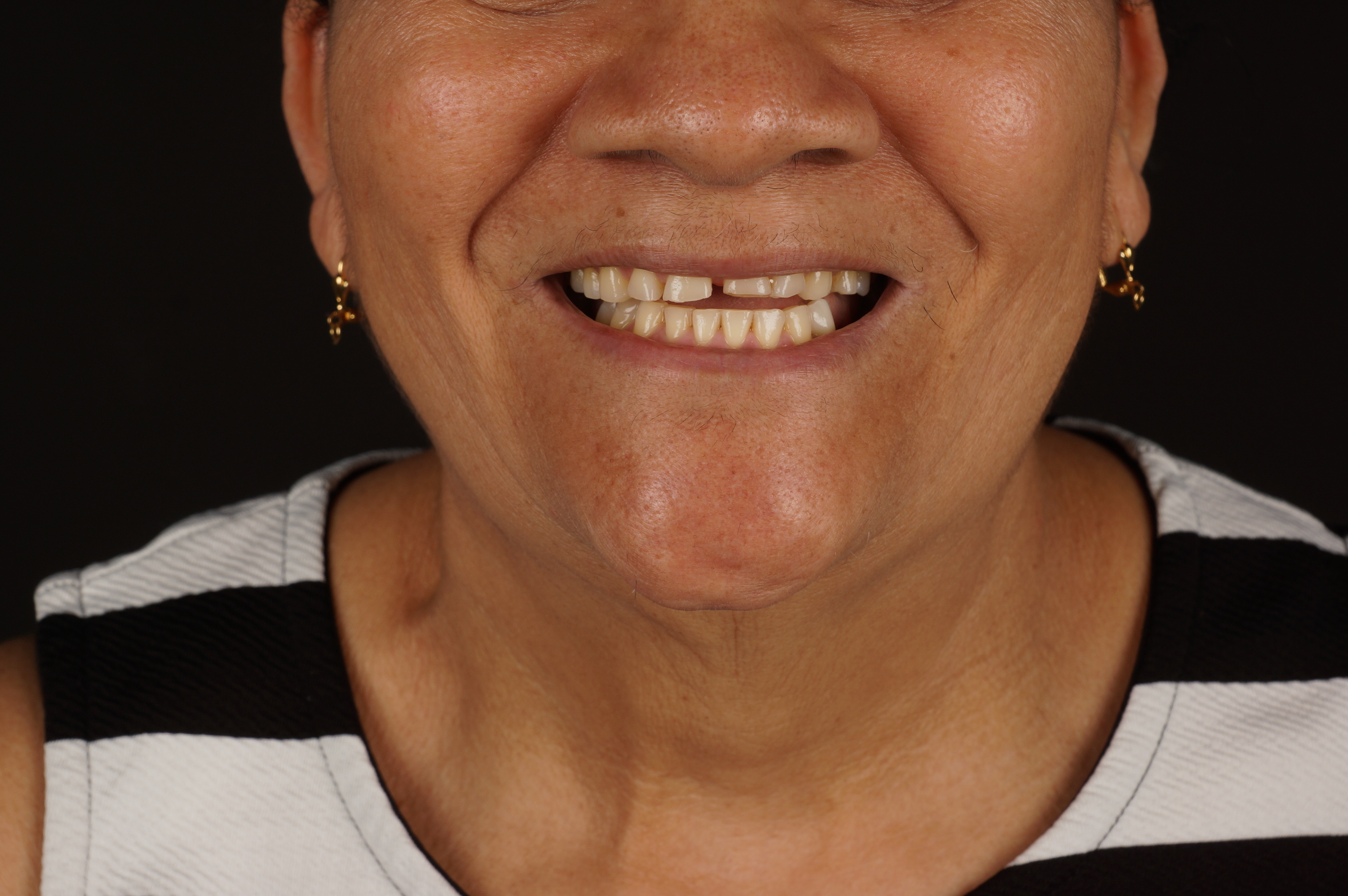
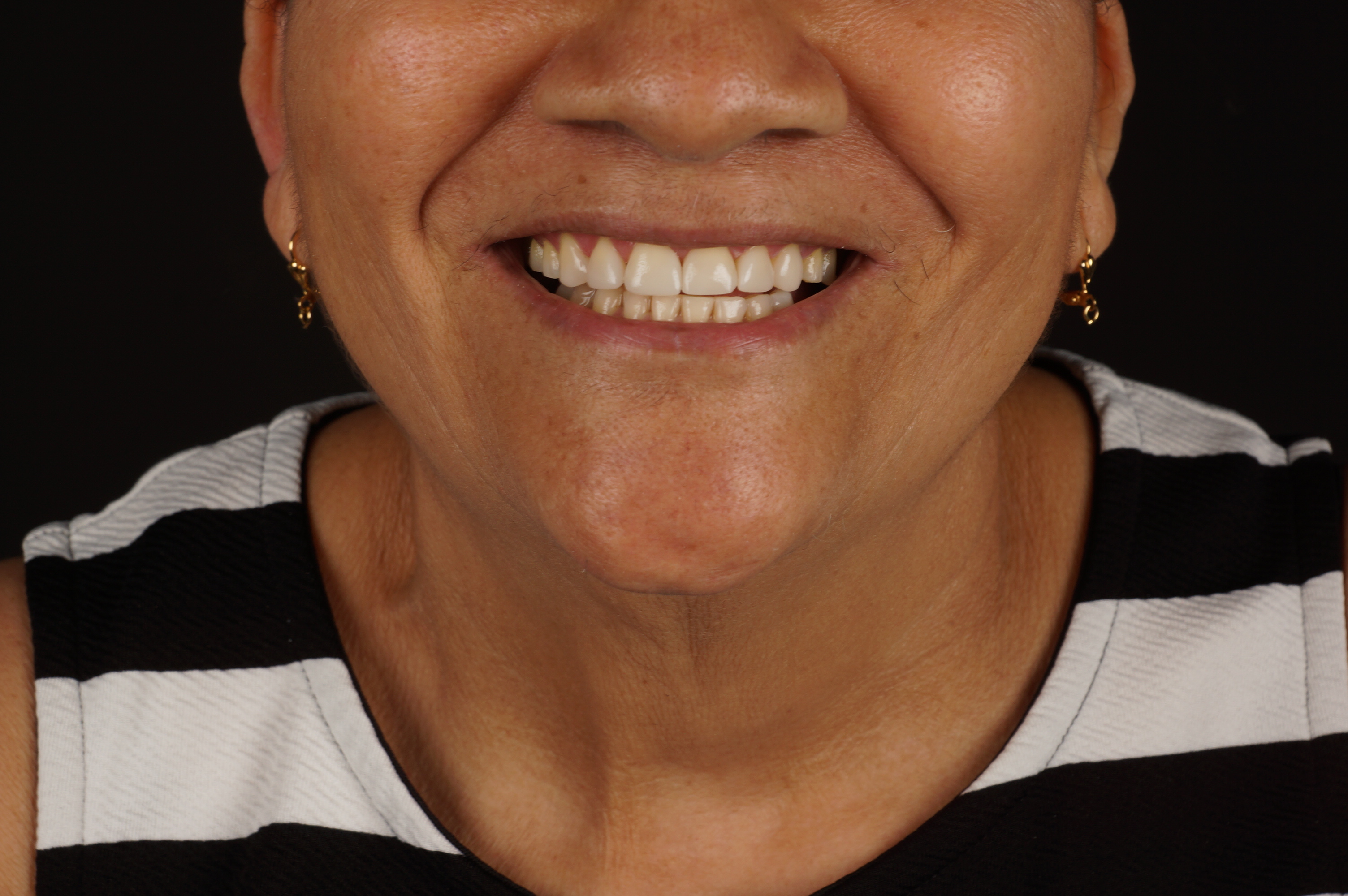
A new smile should not require unnecessarily sacrificing healthy teeth
Aesthetic dentistry has changed considerably.
Today we have access to better diagnostic tools.
Digital planning.
Clear aligner orthodontics.
Advanced adhesive materials.
High-quality composites.
Modern ceramics.
Mock-ups.
Clinical photography.
All of this allows us to plan treatment with far greater precision.
But technology alone does not make dentistry conservative.
The most important decision still happens before treatment begins:
What does this smile actually need?
Sometimes the best aesthetic decision is to do less.
Move before restoring.
Whiten before covering.
Add before reducing.
Correct two teeth instead of ten.
Preserve a small asymmetry.
Leave an already beautiful tooth untouched.
Because a natural smile does not need to look completely new.
It should still look like yours.
Frequently Asked Questions
Can I improve my smile without shaving my teeth?
In many cases, yes. Depending on the concern, treatment may involve orthodontics, whitening, certain gum treatments or additive composite bonding. Every case should, however, be assessed individually.
Can I improve my smile without veneers?
Yes. Many patients can achieve significant improvements through Invisalign, whitening, composite bonding, gum treatment or a combination of these options.
Does composite bonding require shaving the tooth?
In the majority of suitable composite cases, mechanical preparation is not necessary. The effectiveness of the treatment relies heavily on precise adhesive and bonding techniques. At SMITA, our clinicians explain explicitly before treatment which areas of the teeth will be touched and which will remain untouched.
Can Invisalign help me avoid veneers?
In selected cases, yes. If the main problem is tooth position, correcting it first may reduce the need for restorations or allow any later treatment to be significantly more conservative.
Can veneers be placed without shaving the teeth?
In selected cases, yes. This depends particularly on the initial position and volume of the teeth, the desired change and the space available for the restoration.
Are ultra-thin veneers always no-prep?
No. The thickness of the veneer does not determine whether tooth preparation will be required. Initial tooth position, volume and the final design are fundamental factors.
How can worn teeth be improved without covering the whole tooth?
In selected cases, only the missing structure can be rebuilt using composite. Before doing so, we need to analyse the cause of the wear and the bite to improve long-term stability.
Can I see the result before deciding whether I want veneers?
In certain cases, Digital Smile Design and an aesthetic mock-up can allow us to evaluate changes in tooth length, shape and proportions before making definitive decisions.
What is the least invasive aesthetic dental treatment?
There is no single least invasive treatment for every patient. It depends on what needs correcting. Whitening may be appropriate for colour, orthodontics for position and composite bonding for certain small shape defects.
How do I know whether I can improve my smile without shaving my teeth?
The first step is a complete assessment. We analyse oral health, tooth position, enamel, gums, proportions, bite and aesthetic objectives. From there, we can determine which options preserve the greatest possible amount of natural tooth structure.
Learn more about the SMITA team:
Book your assessment: