When we think about improving a smile, we often imagine treatments such as teeth whitening, composite bonding or veneers.
However, in many cases, the first step towards achieving a truly beautiful result is not changing the shape or colour of the teeth.
It is moving them.
Tooth position directly influences aesthetics, proportions, symmetry, the smile line and the way the teeth relate to the lips. It also affects the bite and the forces placed on the teeth during chewing.
For this reason, invisible orthodontics can play a fundamental role within a personalised smile design.
At SMITA Advanced Smile Design in Barcelona, we do not view orthodontics and aesthetic dentistry as separate treatments. We assess how positioning the teeth correctly can help us achieve a smile that is more natural, functional and conservative.
Once orthodontic treatment has been completed, we reassess the smile.
This is important because aligning the teeth can make small imperfections in shape, size, colour or wear more visible. These details may previously have been hidden by the original tooth position.
Orthodontics may be the beginning of a smile design, but it does not always represent the end of the aesthetic process.
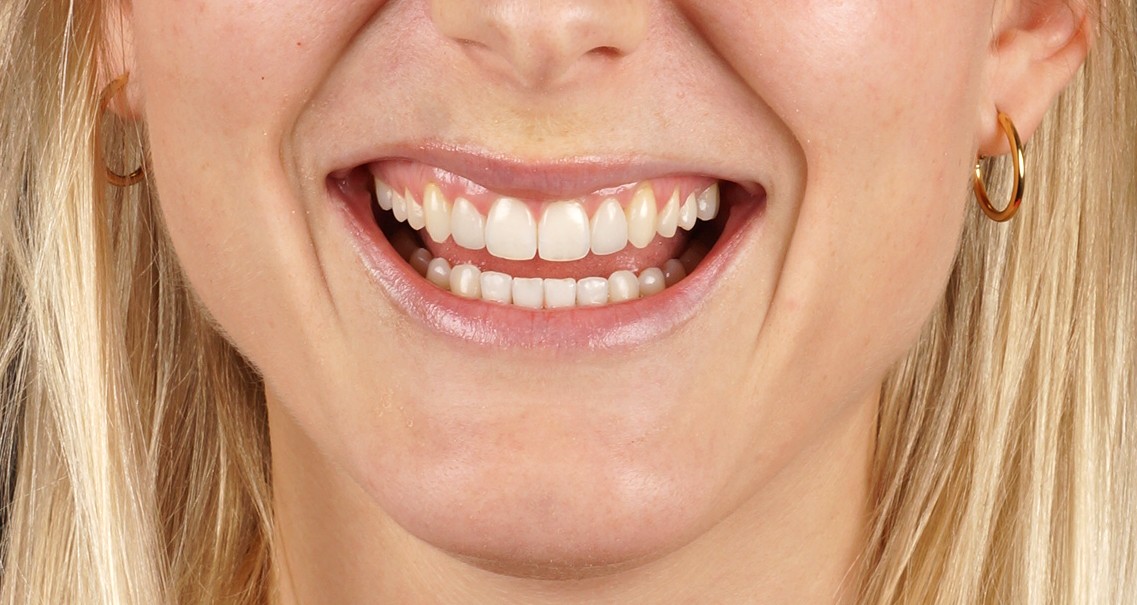
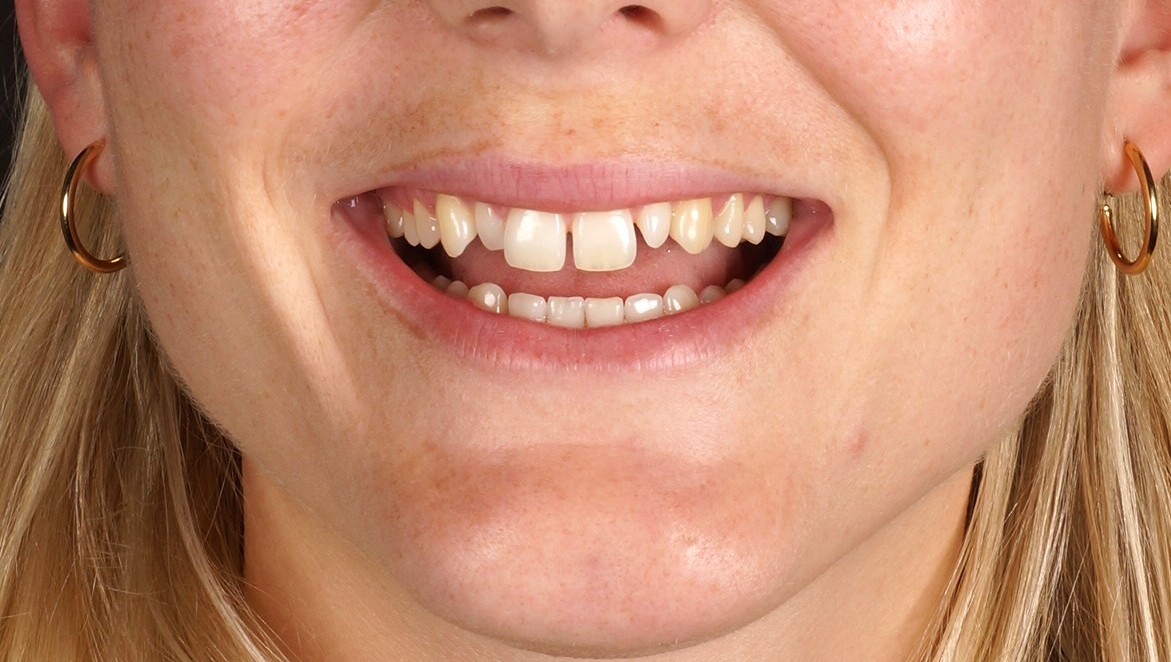
Real SMITA Smile Design Case
1. Five months of Invisalign 2. Philips Zoom teeth whitening 3. Porcelain veneers on teeth 12 and 22, E-max ceramics in shade B1
Tooth Position Is Part of Smile Design
Smile design is not simply about choosing an attractive colour or a particular tooth shape.
We also need to study where each tooth is positioned.
Tooth position influences:
The amount of tooth visible when smiling.
The line of the incisal edges.
The relationship with the lower lip.
The width of the smile.
Spaces between the teeth.
The inclination of the incisors.
Smile symmetry.
The way bite forces are distributed.
A tooth may have a beautiful shape and an appropriate colour, but if it is rotated, tilted or displaced, it can affect the harmony of the entire smile.
Before changing the tooth with composite or porcelain, we should ask whether the real problem lies in its shape or its position.
In many cases, moving the tooth first allows us to achieve a much more natural result.
Not Every Aesthetic Problem Should Be Solved with Veneers
When patients notice irregular, small, tilted or spaced teeth, they may immediately think about veneers.
However, veneers are not always the first treatment indicated.
If the teeth are incorrectly positioned, trying to visually compensate for that position by adding restorative material may result in teeth that are too wide, bulky or disproportionate.
It may also be necessary to remove more healthy tooth structure to compensate for an unfavourable inclination.
In these situations, orthodontics can help us to:
Move the teeth into a more favourable position.
Distribute spaces more effectively.
Correct tooth inclinations.
Improve the dental midline.
Create more balanced proportions.
Reduce the amount of tooth preparation required.
Facilitate a more natural aesthetic result.
Moving the teeth does not always replace aesthetic treatment, but it can create a much better foundation for it.
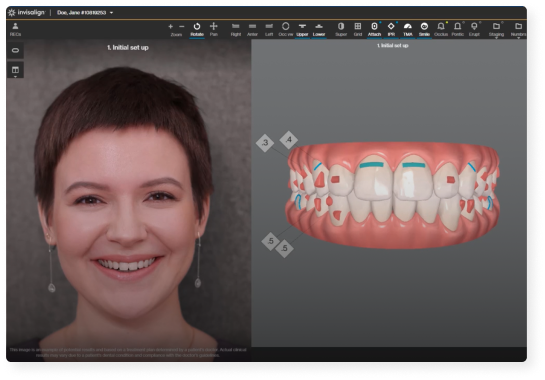
Orthodontics Before Veneers: A More Conservative Option
One of the main aims of modern aesthetic dentistry is to preserve as much healthy tooth structure as possible.
When teeth are significantly tilted, rotated or out of position, placing veneers directly may require more extensive preparation.
By moving the teeth first and placing them in a more favourable position, we may be able to use thinner, smaller and more conservative restorations.
In some cases, after orthodontic treatment, patients discover that they no longer need veneers on all the teeth they initially thought would require treatment.
It may be sufficient to carry out:
Teeth whitening.
Small composite restorations.
Minor edge contouring.
One or two localised veneers.
Gum treatment.
It is also possible that, after aligning the teeth, no additional restorative treatment is needed.
Orthodontics should therefore not be seen as a delay before aesthetic treatment.
It may be precisely what allows us to achieve a better result while respecting the natural teeth.
Moving the Teeth for Both Aesthetics and Function
Orthodontics is not carried out only to make the teeth look straighter.
It also plays an important role in how the teeth fit together and function.
Before carrying out a smile design, we need to assess:
How the upper and lower teeth contact.
How the jaw moves.
Which teeth receive the greatest pressure.
Whether there is an excessive overbite.
Whether there is an open bite or crossbite.
Whether the incisors receive appropriate forces.
Whether there is wear or bruxism.
Whether there is enough space for future restorations.
A smile may look attractive in a photograph while still having an unstable bite.
If we place veneers or restorations without analysing function, they may be exposed to unsuitable forces and become worn, overloaded or fractured.
For this reason, aesthetics and function should be planned together from the beginning.
The objective is not simply to create straight teeth. We want the teeth to be in a position that is aesthetic, functional and stable.
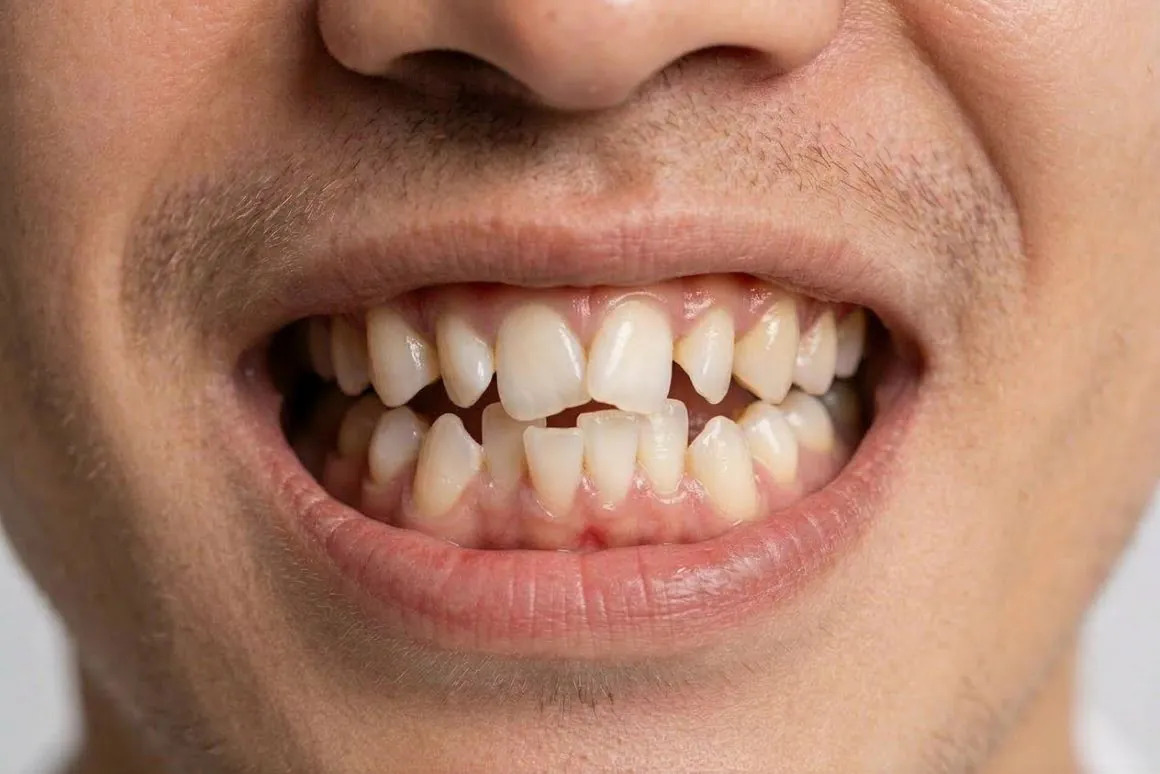
What Invisible Orthodontics Can Contribute to Smile Design
Invisible orthodontics uses customised clear aligners to move the teeth progressively.
Within a smile design, it can help to correct:
Crowding.
Rotated teeth.
Spaces or diastemas.
Tilted incisors.
Displaced dental midlines.
Uneven tooth heights.
Narrow dental arches.
Certain bite problems.
However, the treatment objective should always be defined individually.
We are not simply trying to make the teeth appear straight on a digital simulation.
We plan where each tooth should finish in order to support facial aesthetics, the smile line, function and any treatment that may follow.
The final position should be designed with the complete result in mind.
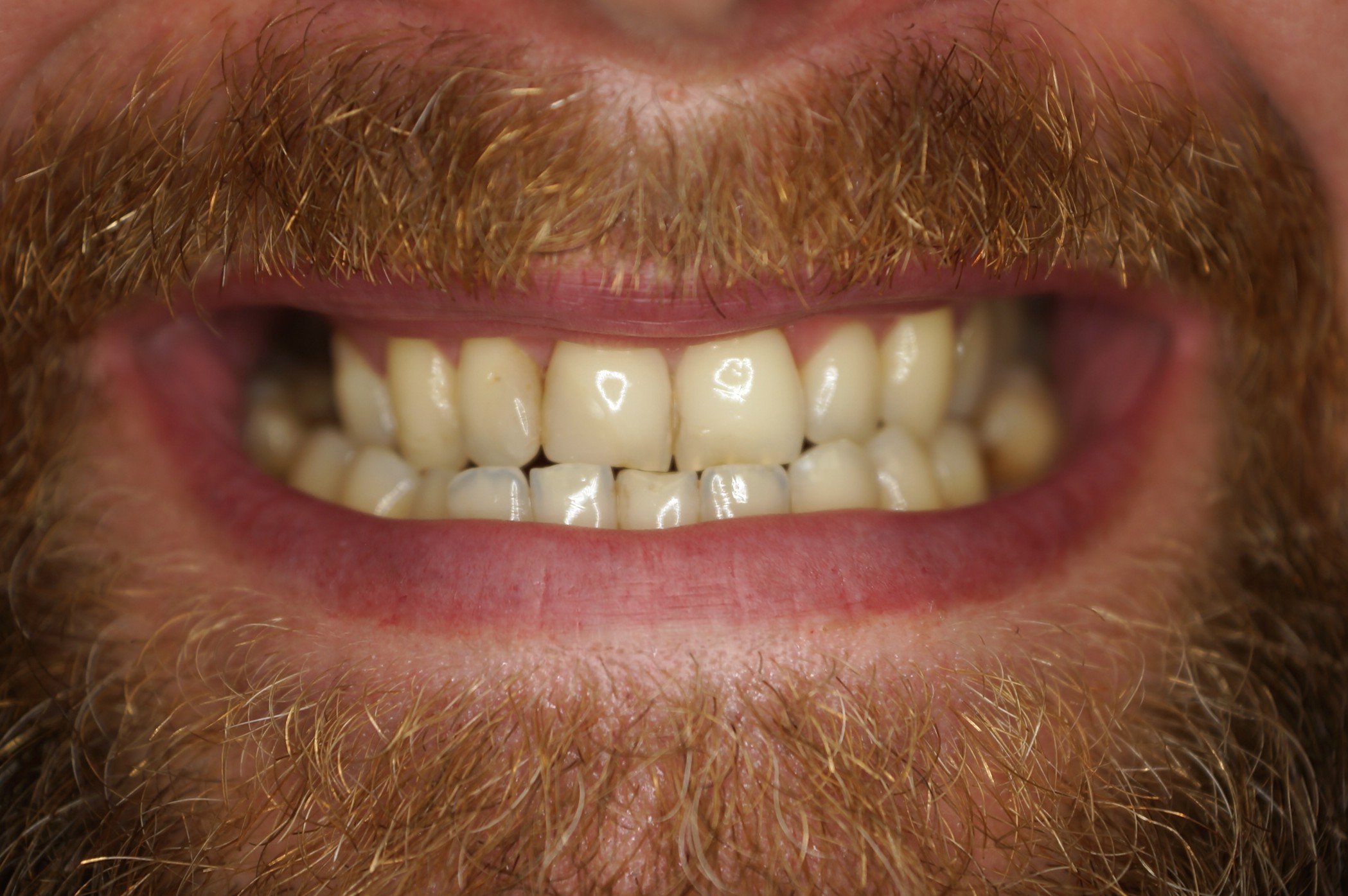
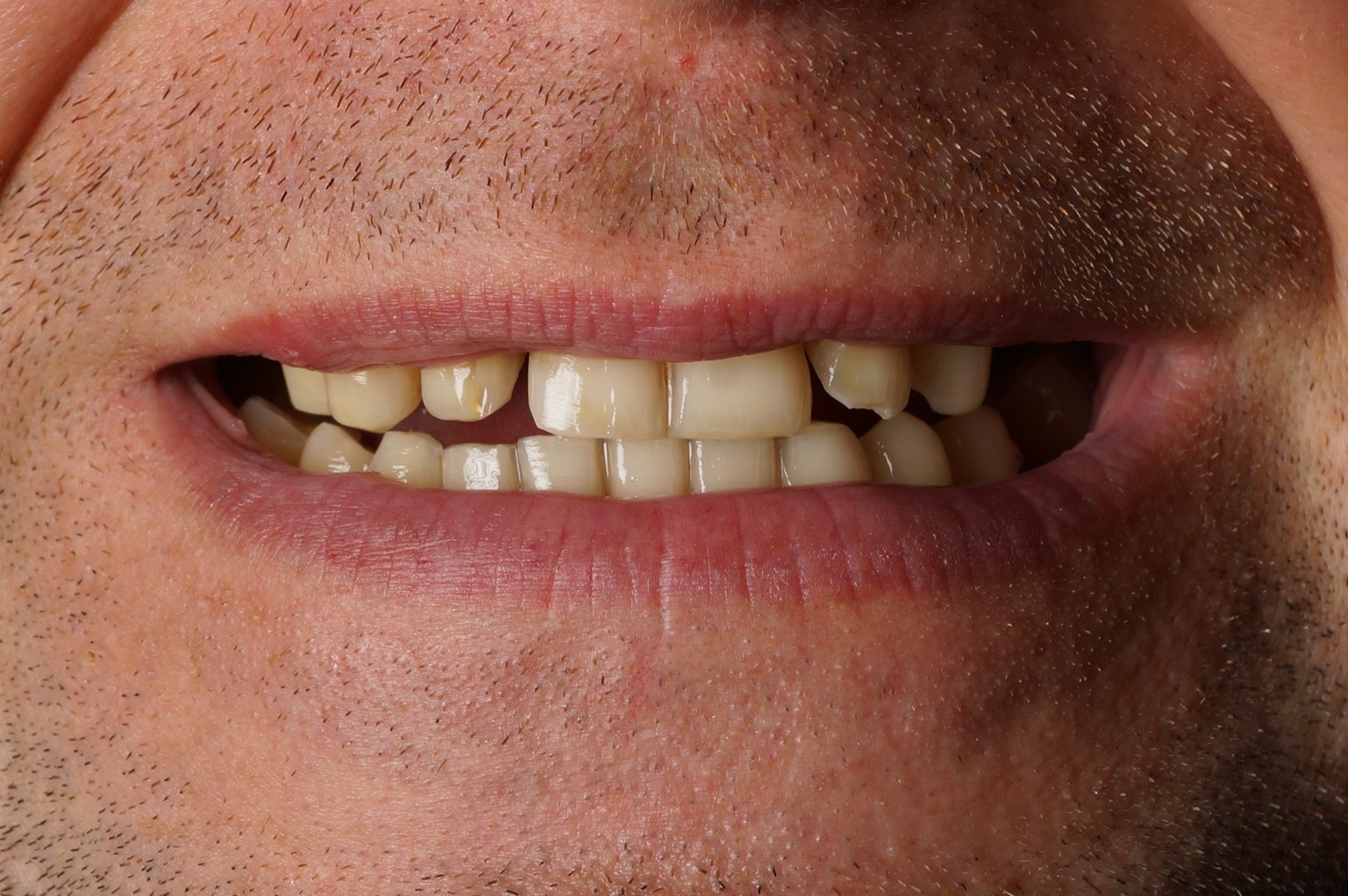
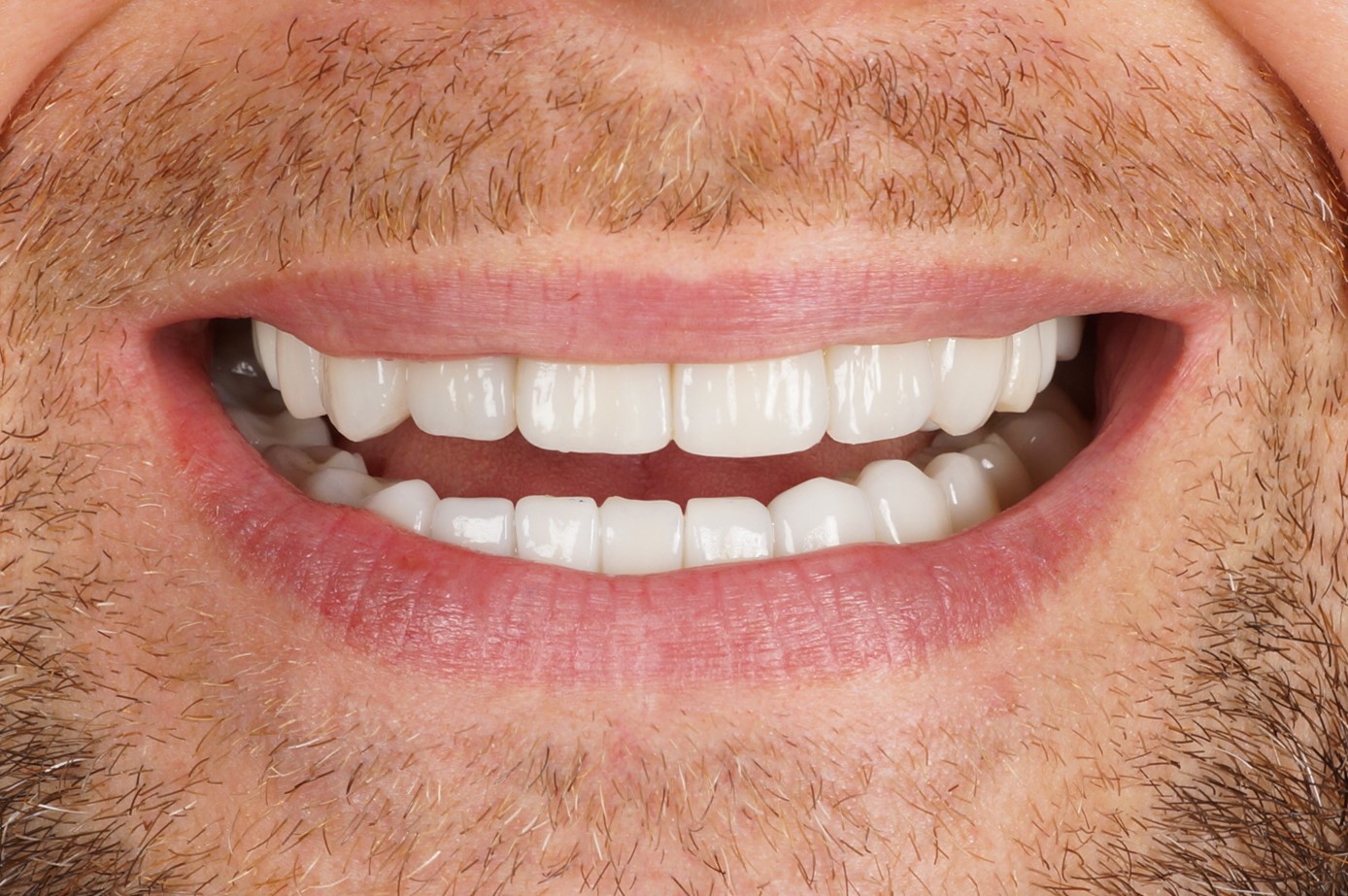
Real SMITA Smile Design Case
1. Initial situation: a highly complex Class III case 2. Result after orthodontic treatment 3. Final result: smile design with veneers and inlays/onlays on all teeth, in Bleach 2 shade
Orthodontics Can Also Improve Smile Proportions
Sometimes, a tooth appears too small because it is rotated and its full front surface is not visible.
Another tooth may appear wider because it is tilted outwards.
Teeth may also seem to have different heights when, in reality, their position is uneven.
By moving the teeth, we can visually improve:
The apparent width of each tooth.
Symmetry.
The relationship between the central and lateral incisors.
The smile curve.
Tooth display.
The continuity of the incisal edges.
This does not mean that orthodontics physically changes the shape of the teeth.
It means that the teeth are shown from a more favourable and harmonious position.
Why Can Imperfections Become More Visible After Orthodontics?
This is a very important point within a complete smile design.
Before orthodontic treatment, the teeth may overlap, rotate or sit in different positions.
These irregularities may partially hide:
Differences in tooth size.
Worn edges.
Triangular tooth shapes.
Small fractures.
Stains.
Colour variations.
Old restorations.
Gingival asymmetries.
Spaces related to tooth shape.
Once the teeth are positioned correctly, we begin to see their full front surfaces and their true relationship with the neighbouring teeth.
The alignment improves, but the individual characteristics of each tooth become more visible.
This does not mean that orthodontics has created new defects.
It means that we can now observe the smile more clearly and decide which small details may benefit from further improvement.
Straight Teeth Do Not Always Mean That Smile Design Is Complete
Orthodontics can achieve excellent alignment, but it does not necessarily change:
Tooth colour.
The natural shape of the teeth.
Wear along the incisal edges.
Enamel stains.
The length of each tooth.
Old restorations.
Tooth texture.
Gum shape.
For this reason, we carry out a new aesthetic assessment once treatment has finished.
At that point, we can evaluate the smile in its final position and decide whether any additional refinement is genuinely needed.
Not every restorative treatment should be decided before orthodontics has been completed.
We may have an initial plan, but the final aesthetic assessment should take place once the teeth are aligned and the bite has stabilised.
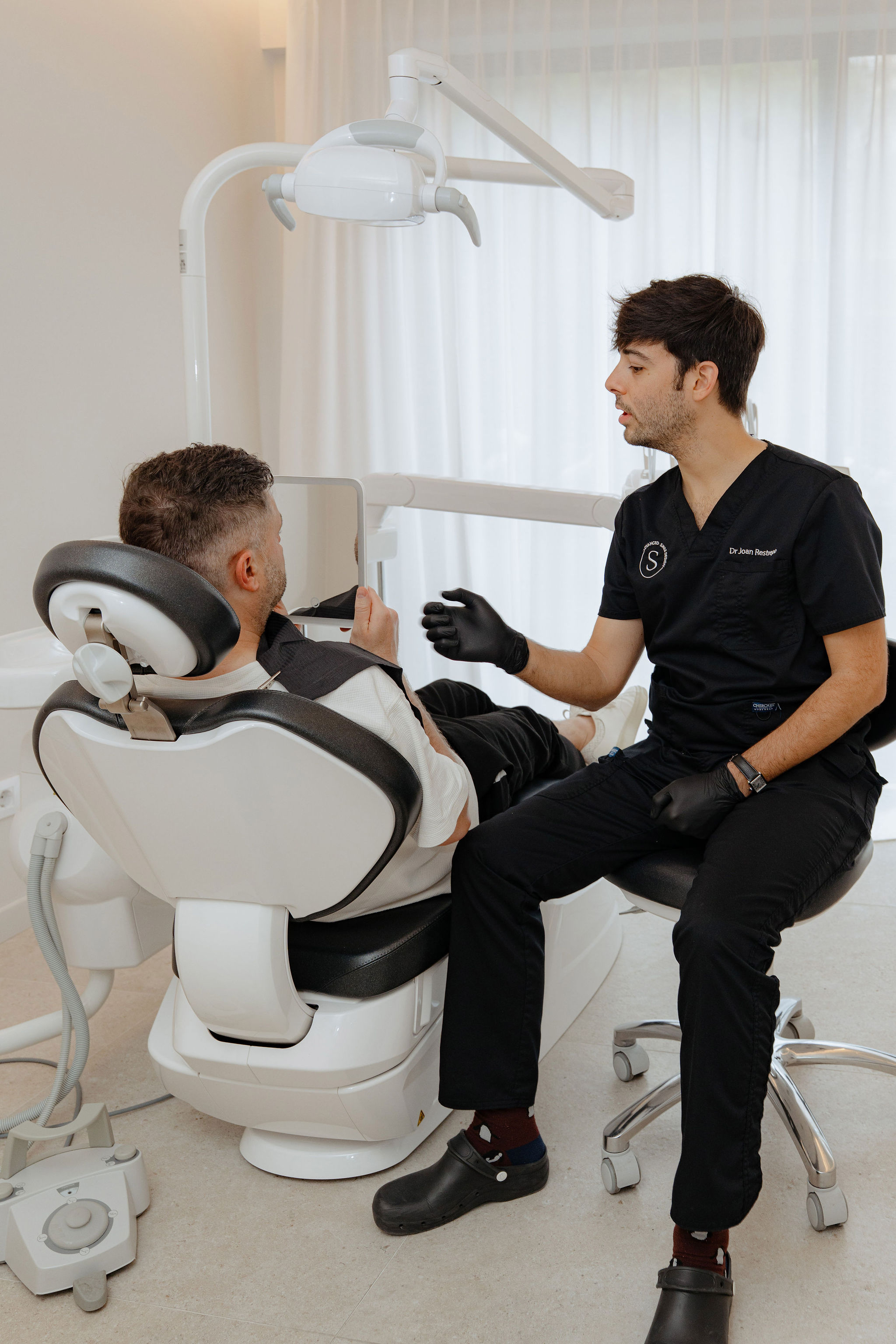
Aesthetic Reassessment After Orthodontics with Dr Joan Restrepo
Once orthodontic treatment has been completed, we reassess:
The full smile.
The final position of the teeth.
The line of the incisal edges.
The shape and proportion of each tooth.
Tooth colour.
Tooth and gum display.
The relationship with the lips.
The final bite.
The patient’s current expectations.
The patient’s needs may be different from what appeared necessary at the beginning.
In some cases, the transformation achieved with orthodontics is enough.
In others, small treatments can help complete and harmonise the smile.
The key is not to assume that every patient will require veneers or composite bonding after orthodontics.
We reassess first and treat only what will genuinely improve the result.
Treatments That May Be Carried Out After Orthodontics
Teeth Whitening
After aligning the teeth, many patients also want to improve the colour.
Professional teeth whitening can add luminosity and make the new smile appear fresher.
When visible composite restorations, veneers or crowns are planned, it is usually advisable to whiten the natural teeth first.
This allows the restorative shade to be selected once the new tooth colour has stabilised.
Aesthetic Contouring
Aesthetic contouring involves making minimal and carefully controlled changes to selected tooth edges.
It can be used to soften small irregularities, balance tooth lengths or improve the continuity of the smile line.
It is not suitable for every case and must always respect the enamel and the natural tooth anatomy.
Composite Restorations
After orthodontics, composite can help us to:
Close small residual spaces.
Repair worn edges.
Improve the shape of small lateral incisors.
Balance proportions.
Correct minor asymmetries.
It is particularly useful when the tooth position is already correct and only small amounts of material need to be added.
Porcelain Veneers
In some cases, porcelain veneers may still be needed after orthodontics.
This may be appropriate when there are significant alterations in tooth shape, colour, structure or wear.
The difference is that the teeth are now in a more favourable position.
This can allow us to create a more harmonious design and, in many cases, use a more conservative preparation.
Gum Treatment
Tooth alignment can also make differences in gum height or contour more visible.
When there is inflammation, excessive gum display, recession or asymmetry, periodontal treatment may need to be considered before the smile design is completed.
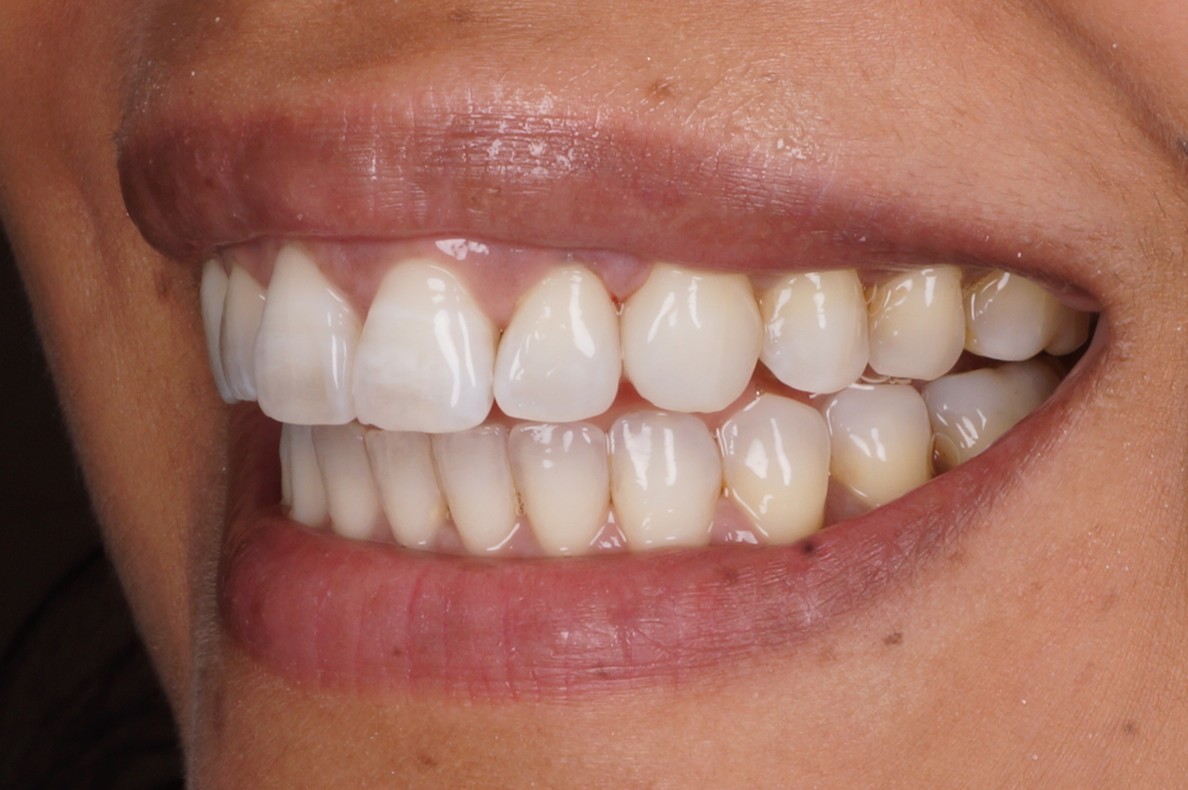
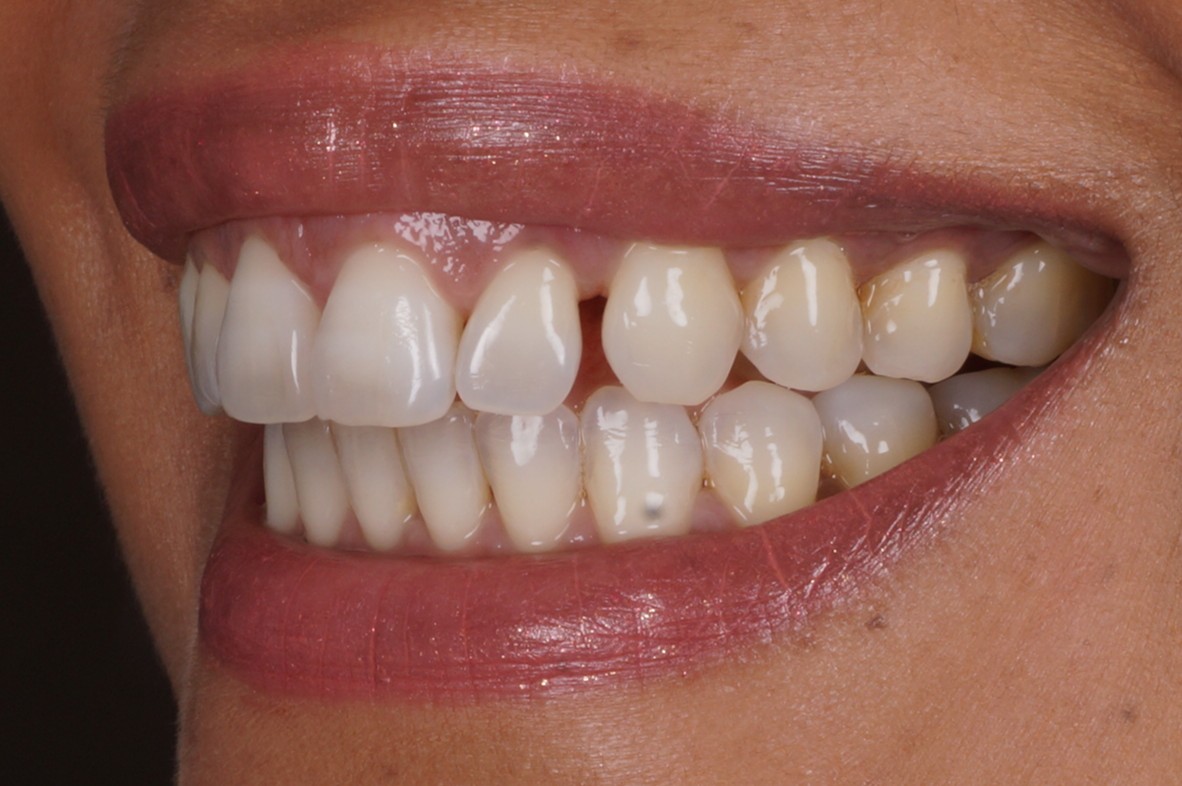
The Role of Tooth Shape When Closing Spaces
Spaces between the teeth are not always caused simply by the teeth being separated.
They may also be related to tooth shape.
For example, triangular teeth are narrower near the gumline. When they are aligned and the contact points are closed, small dark spaces can remain near the gums. These are commonly known as black triangles.
Depending on the case, we may consider:
Slightly modifying tooth position.
Carrying out controlled interproximal reduction.
Adding composite.
Improving gingival health and contour.
Accepting a small natural characteristic when it does not compromise the overall result.
The solution should always be planned individually.
Not every space should be closed in the same way.
Can Every Space Be Closed with Orthodontics Alone?
Not always.
If a space exists because of a discrepancy in tooth size, closing it orthodontically may alter the midline, bite or relationship between the teeth.
In these cases, it may be better to distribute the space correctly during orthodontic treatment and complete the result afterwards with composite or porcelain.
The goal is not to eliminate every space at any cost.
The goal is to create a distribution that supports good proportions, a stable bite and a balanced aesthetic result.
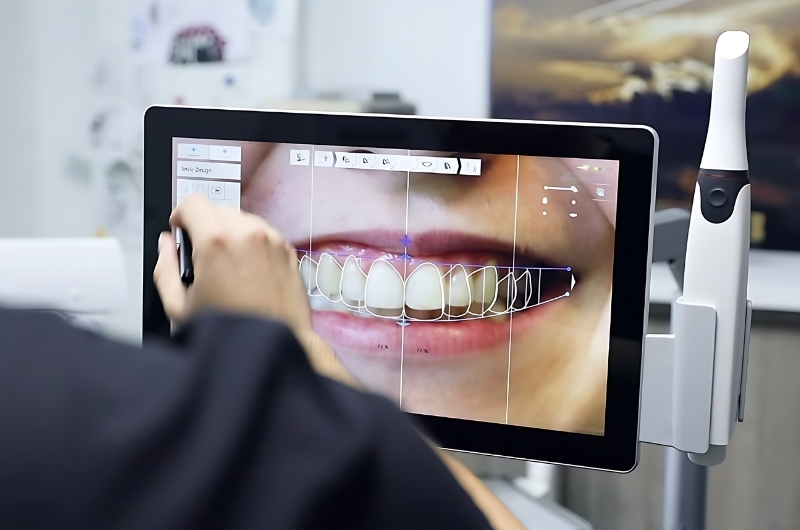
Planning the Final Result from the Beginning
When we know that a case may require both orthodontic and aesthetic treatment, it is important to coordinate both phases from the start.
Before beginning, we assess:
The initial tooth position.
The bite.
The shape and size of each tooth.
The available spaces.
The smile line.
Gum display.
The possible final aesthetic treatment.
This allows us to guide the orthodontic plan according to where each tooth should ideally finish.
For example, it may be necessary to leave a specific space to rebuild a small lateral incisor or adjust the vertical position of a tooth to improve the gum line.
Interdisciplinary planning prevents us from finishing orthodontic treatment with straight teeth that are not ideally positioned for the final smile design.
Will I Need Veneers After Orthodontics?
Not necessarily.
Some patients believe that orthodontics is simply an obligatory preparation before veneers.
However, once treatment is complete, they may find that alignment has improved the smile so much that they only need whitening or a few small refinements.
Other patients may benefit from composite, veneers or gum treatment.
The decision depends on:
Tooth shape.
Colour.
Wear.
Proportions.
Enamel health.
The bite.
The desired result.
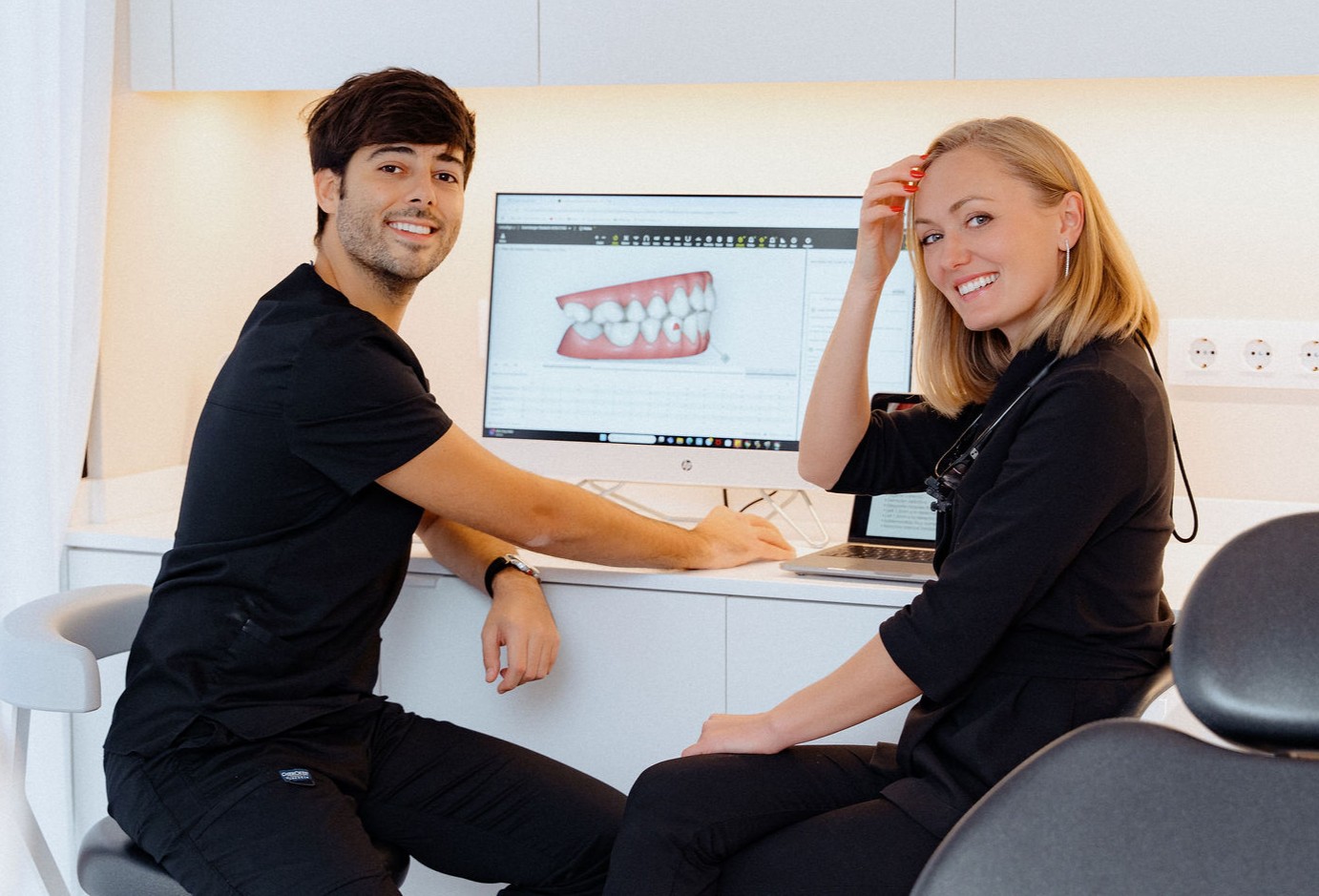
Orthodontics allows us to make this decision from a more favourable position and with a clearer view of the smile.
When May Orthodontics Not Be Necessary?
Not every smile design requires orthodontics.
If the teeth are appropriately positioned, the bite is stable and the required changes are minimal, it may be possible to proceed directly with a conservative aesthetic treatment.
Orthodontics should not be recommended automatically.
It should provide a real benefit in terms of:
Aesthetics.
Function.
Tooth preservation.
Stability.
Quality of the final result.
The best plan is not the one with the greatest number of treatments. It is the one that includes only those that are genuinely necessary.
Retention: Maintaining the Result
After orthodontic treatment, the teeth require retention to preserve their new position.
Depending on the case, fixed retainers, removable retainers or a combination of both may be used.
Retention is particularly important when aesthetic treatments are carried out afterwards.
The design of restorations, veneers and retainers should be coordinated to protect both the alignment and the final aesthetic result.
Regular check-ups are also needed to assess:
Tooth position.
The condition of the retainers.
The bite.
The gums.
Any restorations.
Bruxism habits.
Finishing orthodontic treatment does not mean that the stability of the smile no longer needs care.
How We Plan These Cases at SMITA
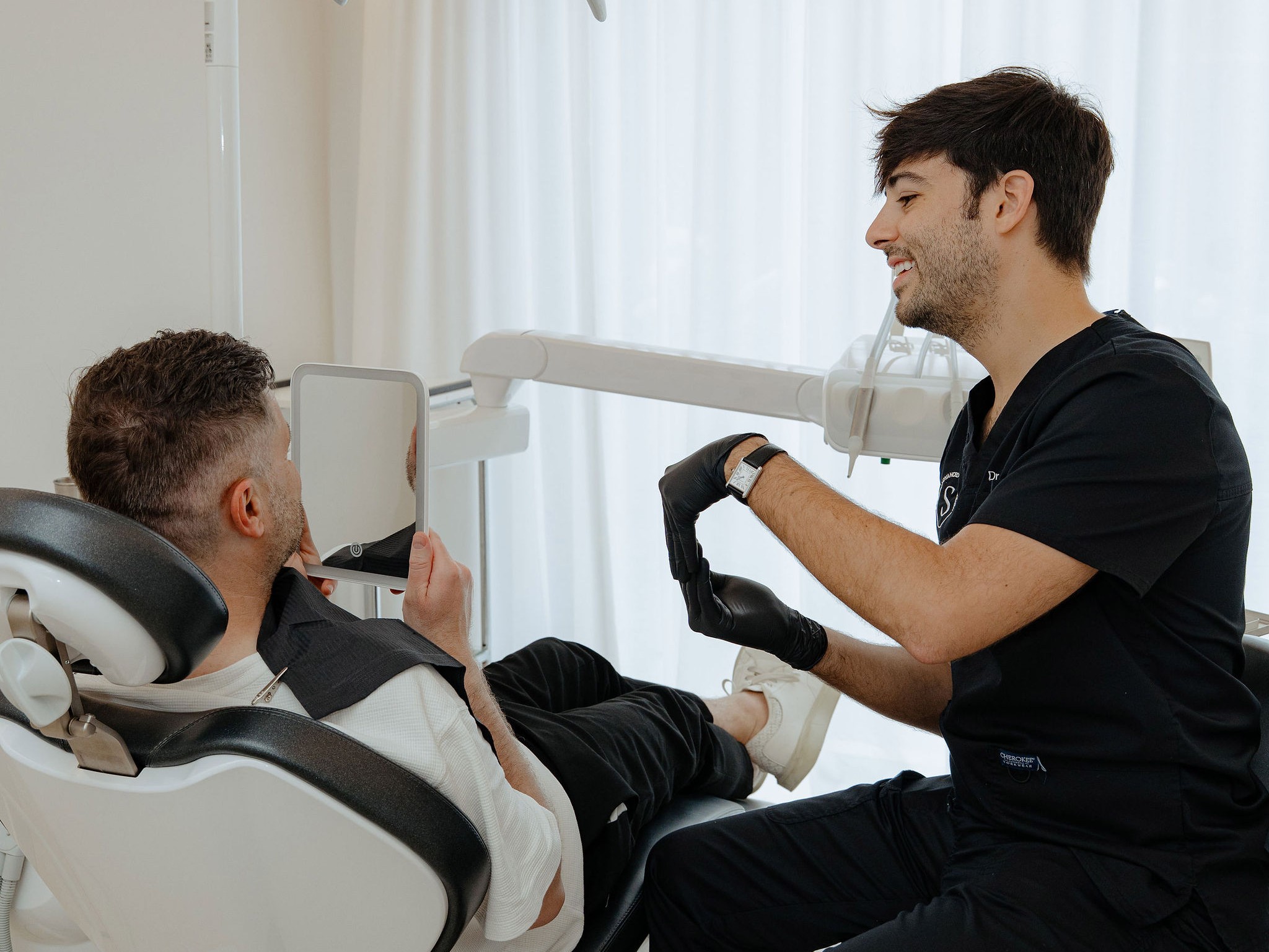
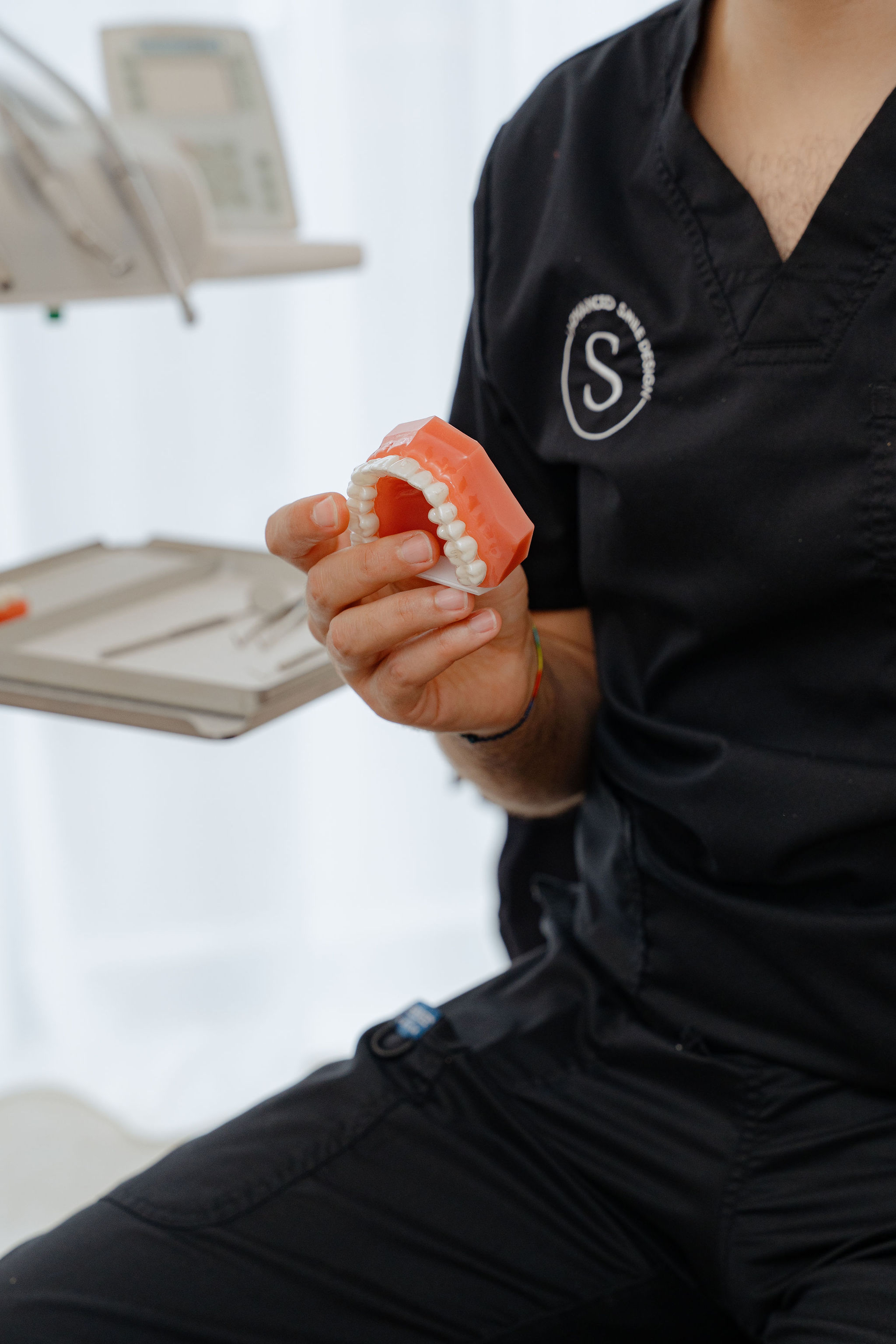
At SMITA Advanced Smile Design, we begin with a complete assessment of the smile.
We listen to what the patient would like to improve and what kind of result they hope to achieve.
We then analyse:
Oral health.
Tooth position.
Tooth shape.
Proportions.
The bite.
The smile line.
The gums.
The lips.
Facial harmony.
Possible aesthetic needs after orthodontics.
When tooth position limits the result or would require a more invasive treatment, we may recommend orthodontics before starting the aesthetic phase.
During planning, we focus on the final result, not only on straightening the teeth.
Once orthodontic treatment has been completed, we carry out a new aesthetic assessment to decide whether the smile needs any additional treatment.
Sometimes, the next step is teeth whitening.
Sometimes, it is a few small composite restorations.
In other cases, it may involve carefully planned veneers.
And in many situations, the patient is already completely satisfied with the result.
Every smile requires a different journey.

Frequently Asked Questions
Is Orthodontic Treatment Always Necessary Before Veneers?
No. It is recommended when tooth position limits the result, affects the bite or would require excessive tooth preparation before veneers can be placed.
Is Invisible Orthodontics Only Used to Straighten Teeth?
No. It can also improve the bite, distribute spaces, correct inclinations and prepare the teeth for a more conservative aesthetic treatment.
Why Can I See More Imperfections After Orthodontics?
Once the teeth are aligned, their full front surfaces become visible. This may reveal differences in size, shape, colour or wear that were previously hidden by crowding or rotations.
Will I Need Composite After Clear Aligners?
It depends on the case. Composite may be useful for repairing edges, improving proportions or closing small spaces related to tooth shape, but not every patient needs it.
Can I Have Teeth Whitening After Orthodontics?
In many cases, yes. Dental and gum health should first be assessed, and the correct timing should be established, especially when aesthetic restorations are also planned.
Can Orthodontics Help Me Avoid Veneers?
In some cases, it may avoid veneers completely or reduce the number of teeth requiring treatment. In other cases, it allows veneers to be designed more conservatively and with better proportions.
Can Veneers Be Placed Immediately After Orthodontic Treatment?
It depends on the stability of the tooth position, the condition of the gums, the enamel and the overall treatment plan. A reassessment is necessary before beginning the restorative phase.
What Happens If I Have Bruxism?
Bruxism should be considered throughout the entire treatment plan. It can affect the bite, cause wear and increase the forces placed on teeth and restorations. In some cases, a night guard may be recommended.
How Long Does the Complete Treatment Take?
This depends on the tooth movements required and any aesthetic treatments planned afterwards. Following the assessment, a personalised sequence and estimated timeframe can be established.
Conclusion
In smile design, we should not always begin by changing the teeth.
Very often, we first need to position them correctly.
Invisible orthodontics can improve alignment, proportions, the smile line and function. It can also help us preserve more natural tooth structure and carry out smaller, more conservative aesthetic treatments afterwards.
However, the process does not always end when the aligners are removed.
After orthodontics, we need to reassess the smile as a whole.
Once the teeth are aligned, we can accurately evaluate colour, shape, wear, gums and the small imperfections that were previously hidden.
From there, we decide whether the smile would benefit from whitening, composite, veneers, gum treatment or simply ongoing maintenance.
At SMITA Advanced Smile Design in Barcelona, we plan orthodontic and aesthetic treatment as parts of the same project.
We are not only looking for straight teeth.
We are creating a smile that is personalised, natural, functional and stable.
Book your assessment at SMITA and discover which treatment sequence could offer the best result for your smile.