Dental veneers can transform a smile. But when they are not carefully designed, they can also make a smile look artificial, too white or disconnected from the face.
At SMITA Advanced Smile Design in Barcelona, many people come to us with a very clear concern: they want to improve their smile, but they are afraid that veneers will “look obvious”. This concern is completely understandable. Modern aesthetic dentistry should not aim for exaggerated results, but for natural, elegant and personalised smiles.
Well-designed veneers should not look like veneers. They should look like beautiful, healthy teeth that are in harmony with the person.
What Are Dental Veneers?
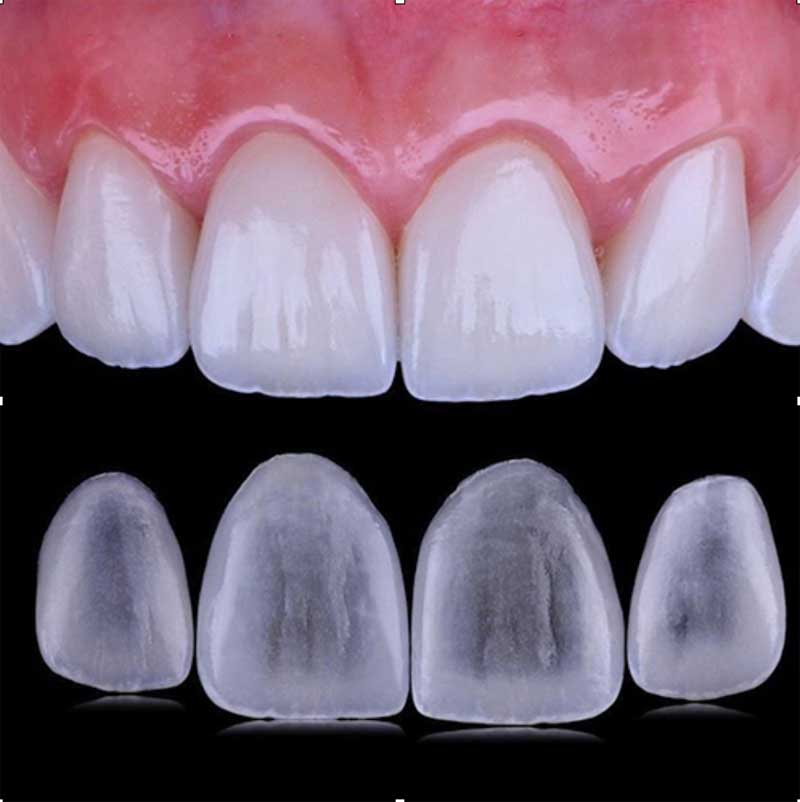
Dental veneers are thin layers placed on the visible surface of the teeth to improve their shape, colour, size or proportion.
They may be suitable in cases of:
Worn-down teeth.
Small teeth.
Tooth discolouration.
Spaces between teeth.
Fractures or irregular edges.
Lack of harmony in the smile.
Old visible dental restorations.
A desire to improve the overall aesthetics of the smile.
Veneers can be made of porcelain or composite. The right option depends on the case, the aesthetic goal, the tooth structure and the overall treatment plan.
Why Do Some Veneers Look Artificial?
Veneers can look artificial for several reasons.
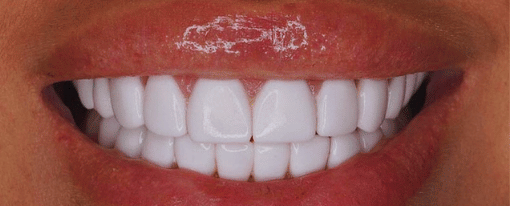
*image from internet
1. A shade that is too white
An extremely white shade may attract attention, but it does not always look natural. A smile should have luminosity, not an opaque or flat appearance.
2. A shape that is too uniform
In a natural smile, not all teeth look exactly the same. There are small differences in shape, texture, length and proportion.
3. Excessive size
If veneers are too long or too wide, they can make the facial expression look heavier or less natural.
4. Lack of facial planning
A smile cannot be designed by looking only at the teeth. The lips, gums, face, age, style and personality also need to be considered.
5. Not respecting the bite
A veneer may look beautiful, but if it is not functionally integrated, it can create problems over time. Aesthetic dentistry should always respect health and function.
What Makes Veneers Look Natural?
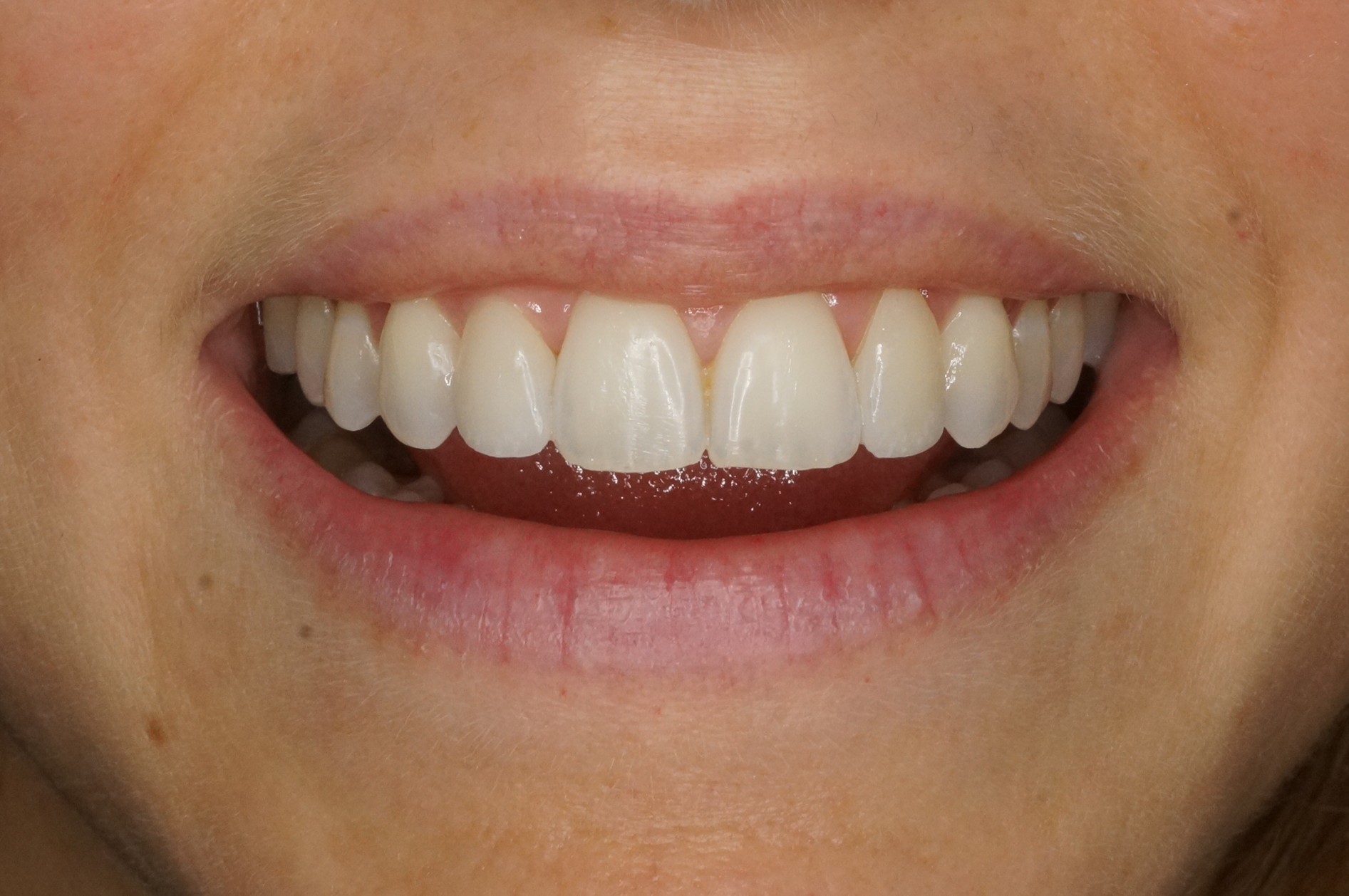
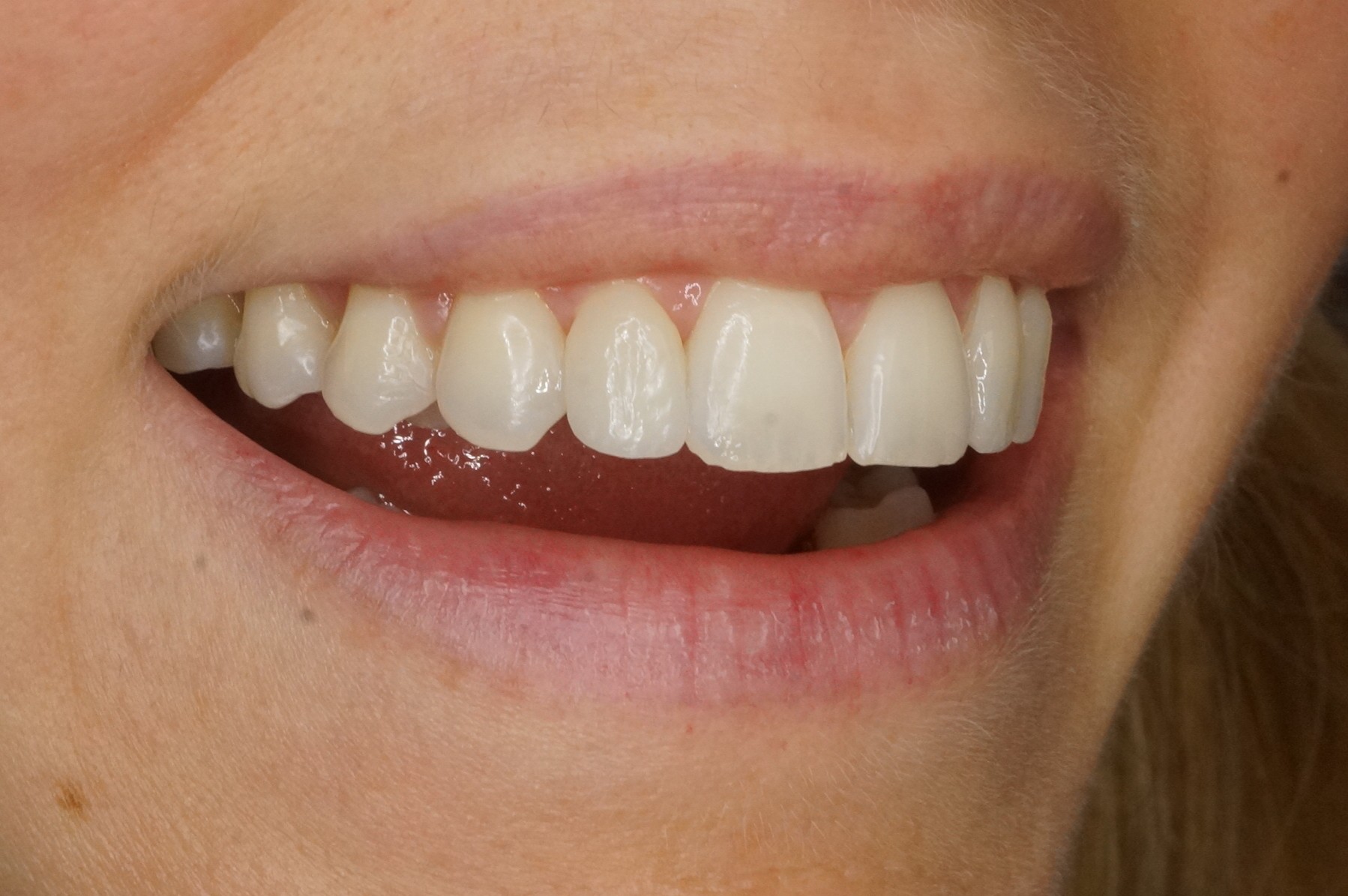
* SMITA case – e.max veneers on 12, 22
Natural-looking veneers have several key characteristics:
A luminous but not exaggerated colour.
A personalised shape.
Soft and delicate edges.
Texture similar to natural enamel.
Balanced proportions.
Harmony with the gum line.
Integration with the face.
An elegant and minimally invasive result whenever possible.
Naturalness does not happen by chance. It is designed.
Minimally Invasive Veneers
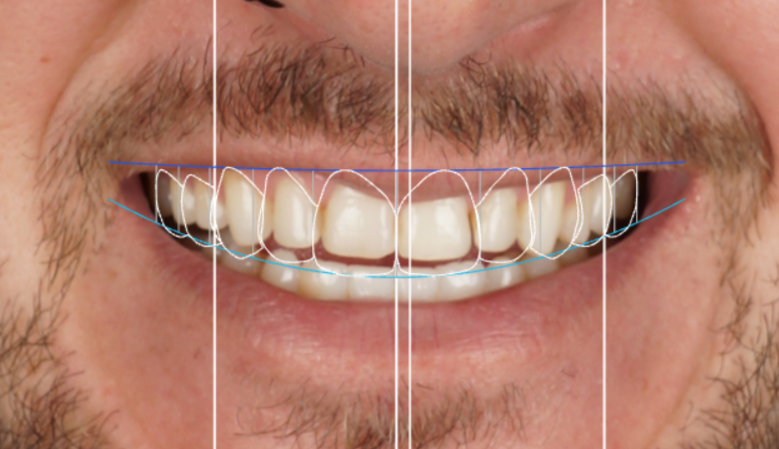
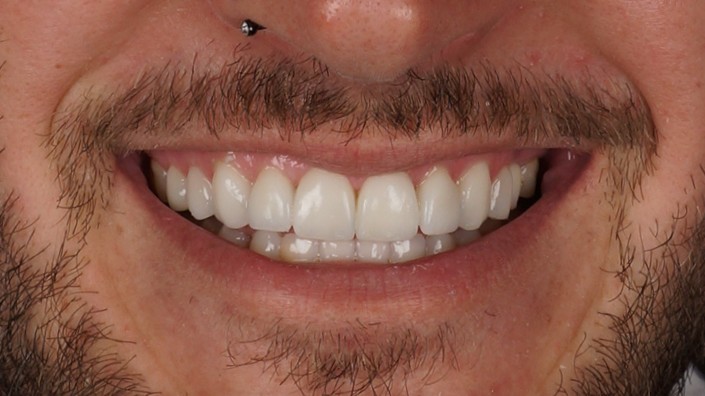
*SMITA case: smile design and final result of 10 upper e.max veneers
One of the most common questions is whether the teeth need to be filed down.
The answer depends on the case. In some people, we can work in a very conservative way. In others, it may be necessary to slightly modify the tooth surface to create space, improve proportion and achieve a precise fit.
At SMITA, we always evaluate the most respectful option possible for the natural tooth structure. Aesthetic improvement should never compromise dental health unnecessarily.
The Importance of Smile Design Before Veneers
Before placing veneers, planning is essential.
A good smile design allows us to evaluate:
The future shape of the teeth.
The ideal tooth length.
The most suitable colour.
How the smile will look with the lips.
Which changes are truly necessary.
What result can realistically be expected.
This planning helps avoid impulsive decisions and allows us to create a personalised smile that feels natural.
Natural Veneers vs Artificial Veneers
Artificial-looking veneers often have a very similar appearance from tooth to tooth. They may be too white, too symmetrical or too large.
Natural veneers, on the other hand, respect the small imperfections and variations that make a smile feel real. They enhance the smile without making it look manufactured.
The goal is not to create a smile that looks “done”. The goal is to create a smile that looks healthy, elegant and genuinely yours.
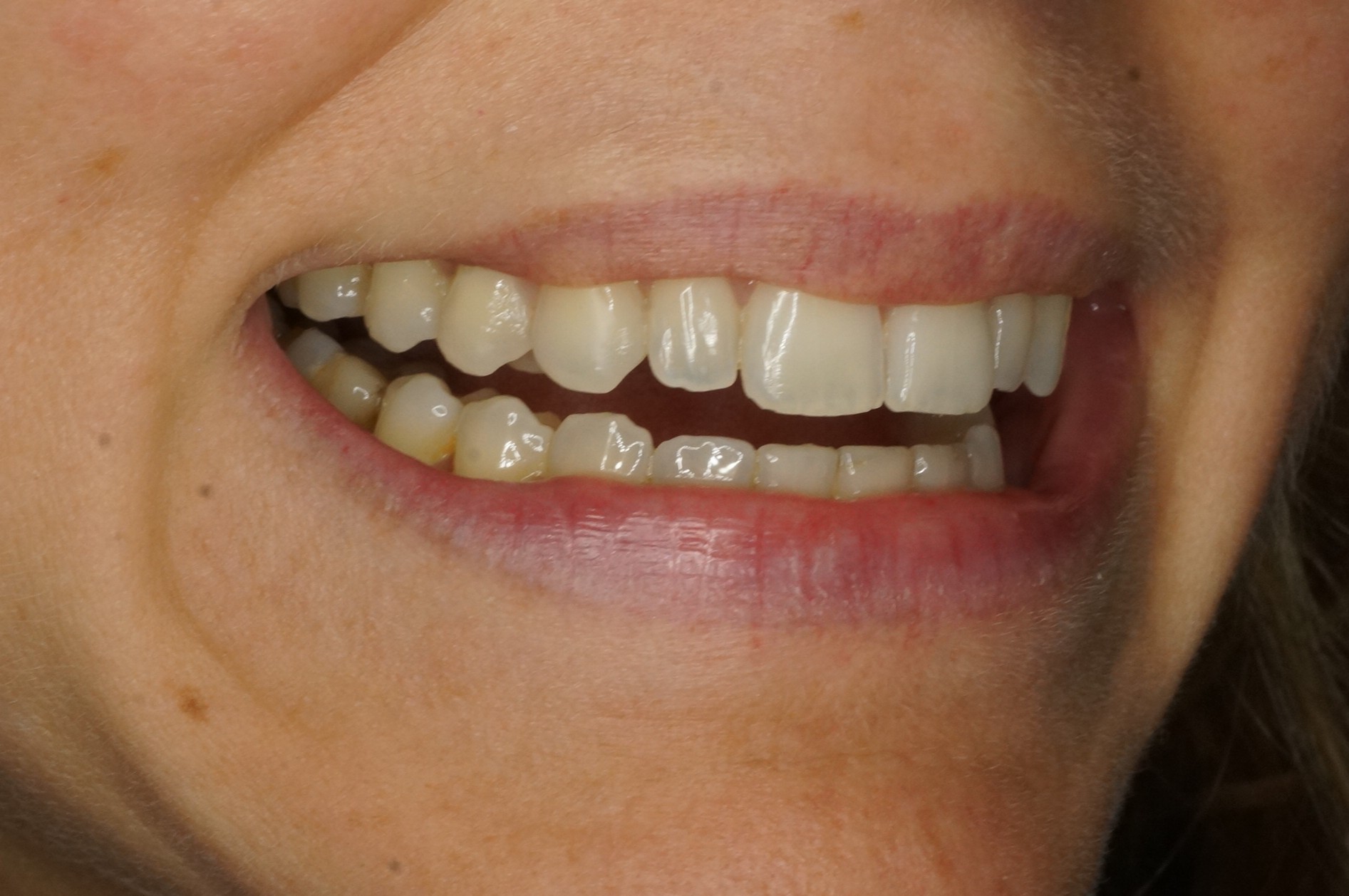
*SMITA case: whitening & only 2 porcelain veneers on teeth 12 and 22
Can Everyone Have Veneers?
Not always. Before placing veneers, it is essential to evaluate oral health.
Sometimes it may be necessary to treat first:
Inflamed gums.
Cavities.
Active tooth wear.
Bruxism.
An unstable bite.
Crowding.
Habits that may affect the durability of the treatment.
In some cases, we may recommend invisible orthodontics, whitening or periodontal treatment before veneers. This type of planning helps create a result that is more beautiful, healthier and more stable over time.
Porcelain Veneers or Composite Veneers: Which One Is Better?
Porcelain veneers usually offer highly stable aesthetics, strength and a very natural appearance when they are well designed. They are often chosen for premium aesthetic treatments.
Composite veneers can be a good alternative in certain cases, especially for smaller corrections or more conservative treatments.
There is no single option that is best for everyone. The right choice depends on your mouth, your goals and the clinical diagnosis.
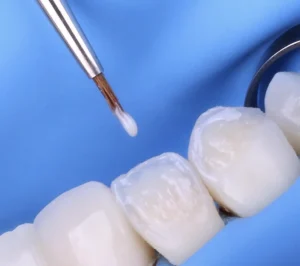
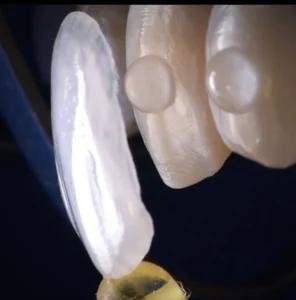
*Composite veneer *Porcelain veneer
How We Approach Veneers at SMITA
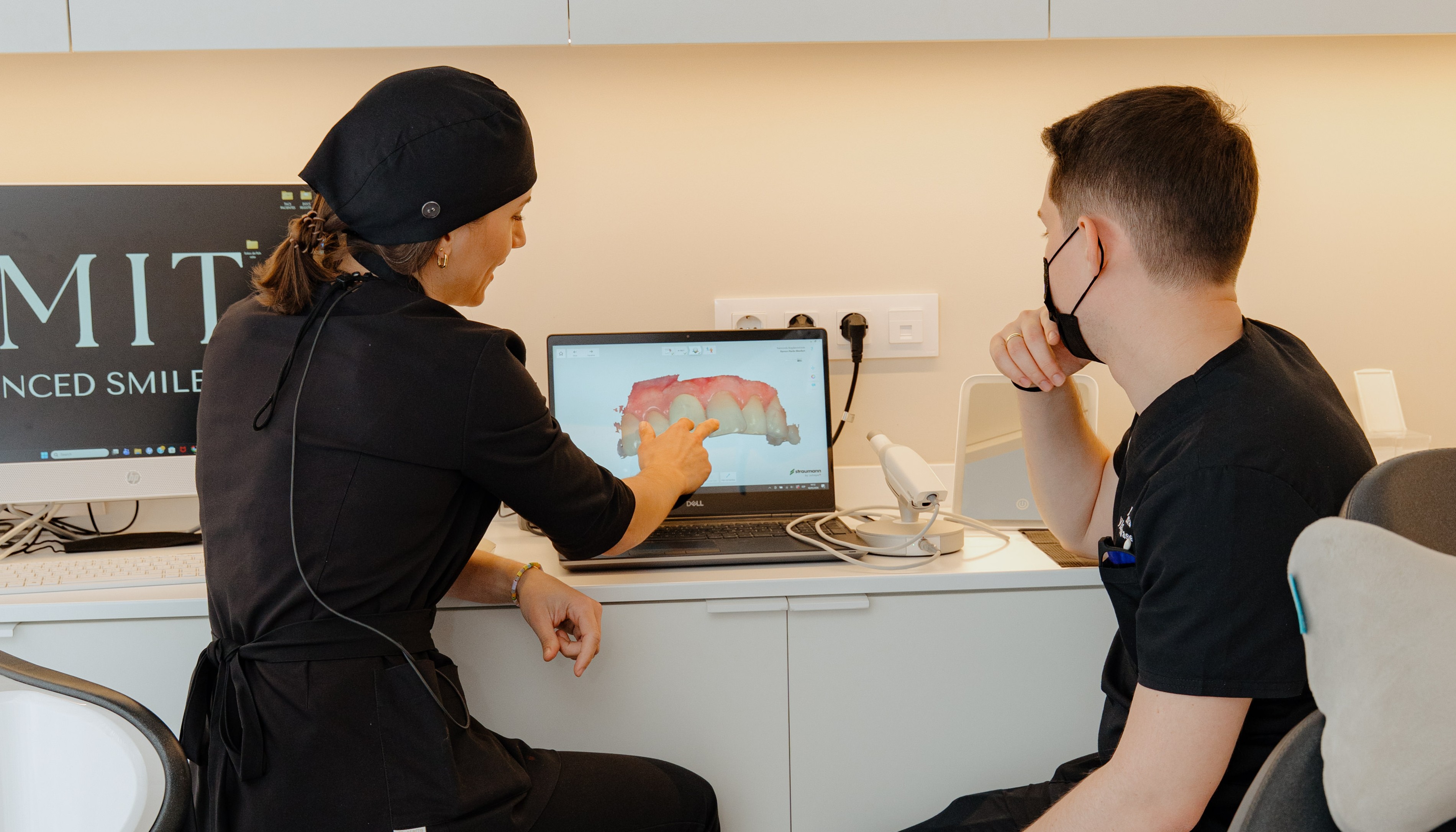
At SMITA Advanced Smile Design, we begin with a personalised assessment.
Before recommending veneers, we study your teeth, gums, bite, smile line, photographs and expectations. We also evaluate whether veneers are truly the best option or whether another treatment should come first.
Our approach is guided by three principles:
Natural aesthetics.
Respect for dental health.
Personalised planning.
We do not believe in standard smiles. We believe in smiles designed with intention, proportion and care.

Frequently Asked Questions
Do veneers look fake?
They should not. When veneers are carefully planned and designed, they can look very natural. The final result depends on colour, shape, texture, proportion and facial harmony.
Do veneers damage the teeth?
It depends on the technique and the case. That is why it is important to assess whether the treatment can be minimally invasive and whether the mouth is ready for veneers.
How long do veneers last?
The durability depends on the material, technique, bite, habits and maintenance. During your assessment, we can explain what is realistic for your specific case.
Can I choose the colour of my veneers?
Yes, but we always recommend choosing the shade with professional guidance. The ideal colour is not necessarily the whitest one, but the one that looks most harmonious with your face.
Do I need whitening before veneers?
Sometimes, yes. If some natural teeth will remain visible, whitening may be recommended before choosing the final veneer shade.
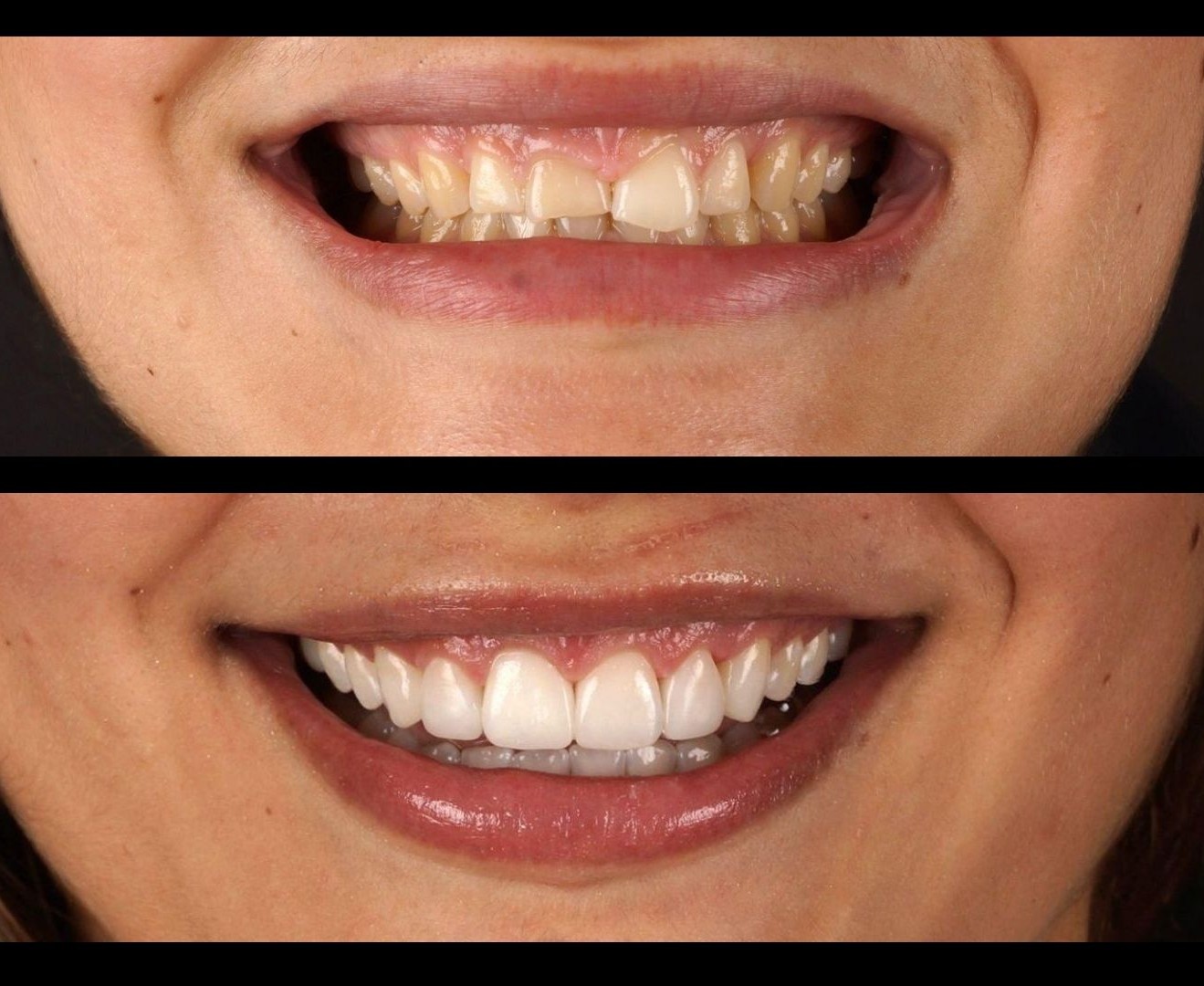
*SMITA case: whitening, gum correction and 4 composite veneers
More real cases here: https://smitasmile.com/en/success-stories/
Conclusion
Dental veneers can be an excellent option to improve a smile, as long as they are designed with naturalness, precision and respect for oral health.
An elegant smile does not need to look perfect in an artificial way. It needs to look harmonious, healthy and authentic.