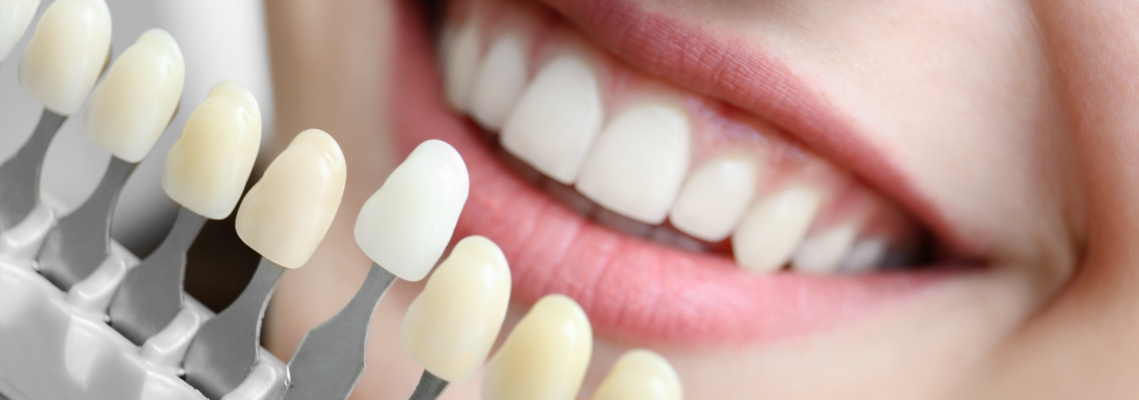
When someone thinks about improving their smile, one of the first questions is often: “What colour should my teeth be?”
A beautiful smile is often associated with very white teeth. However, in aesthetic dentistry, the whitest shade is not always the most flattering.
A smile can be extremely white and still look artificial. It can also have a softer shade and appear much more elegant, luminous and harmonious.
At SMITA Advanced Smile Design in Barcelona, we do not choose tooth colour in isolation. We assess it as part of the whole face, taking into account the skin, lips, gums, tooth shape, age, personality and the result the patient wants to achieve.
The goal is not to create the brightest white possible. The goal is to find the colour that makes the smile look fresher, healthier and more natural.
Is There a Perfect Tooth Colour?
There is no single perfect tooth colour for everyone.
A shade that looks beautiful on one person may appear too white, opaque or artificial on someone else.
The right colour depends on several factors:
Skin tone.
The colour and shape of the lips.
Face shape.
The patient’s age.
The natural colour of the teeth.
Enamel translucency.
Tooth shape and proportions.
How much tooth is visible when smiling.
The type of aesthetic treatment.
The patient’s expectations and personal style.
That is why tooth colour should always be chosen individually.
A natural smile is not created by using the same shade for every patient. It is designed by finding balance between the teeth and the rest of the face.
Why Natural Teeth Are Not Completely White
Natural teeth are rarely pure white.
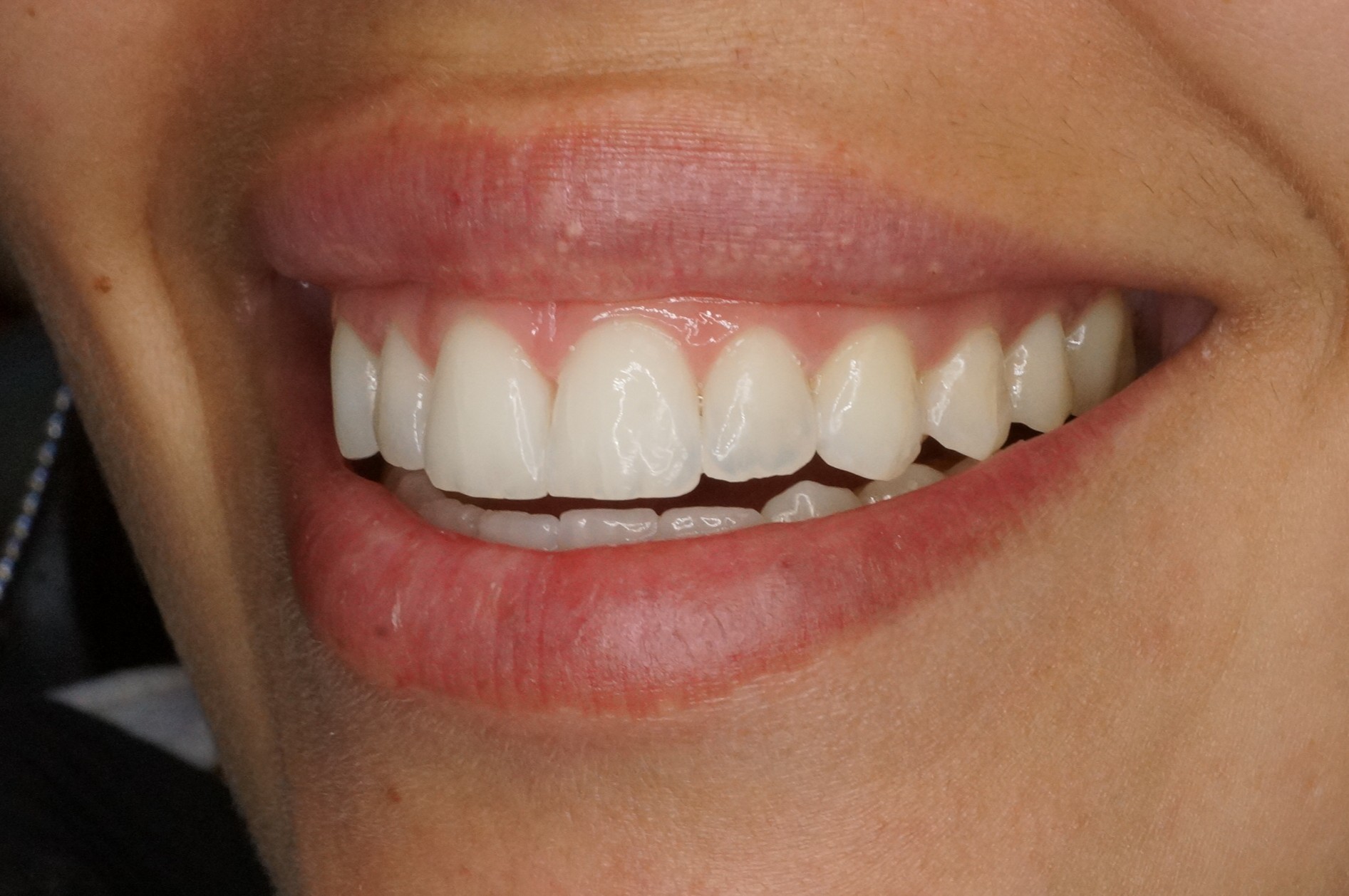
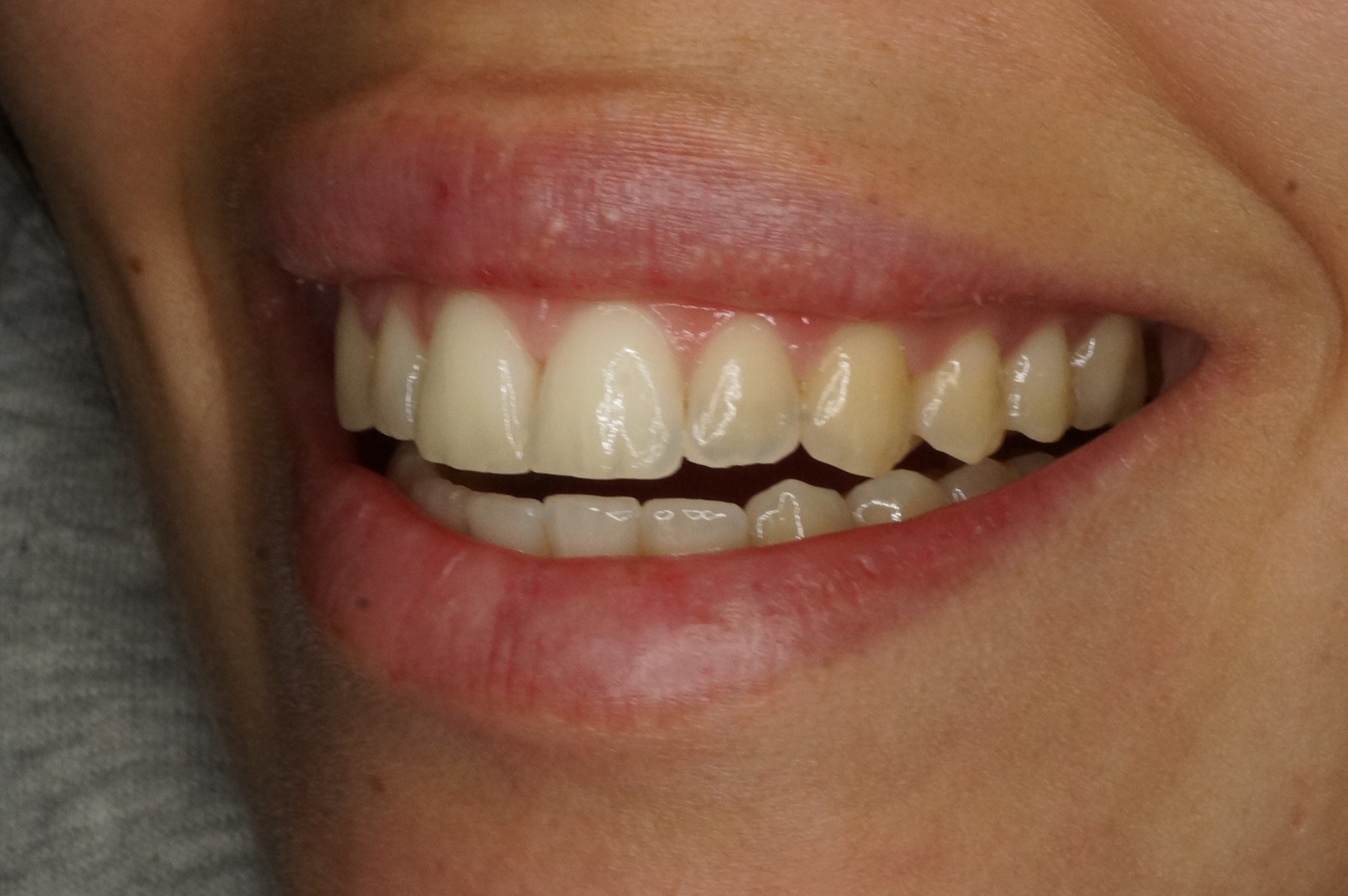
Enamel is slightly translucent, allowing some of the colour of the dentine underneath to show through. This is why natural teeth may have ivory, cream or slightly warm undertones.
The colour is also not exactly the same across the entire tooth surface.
The area near the gumline usually has a slightly deeper tone. The centre of the tooth may appear brighter, while the edge may show more translucency.
These subtle variations add depth and naturalness.
When a restoration, veneer or crown has a completely flat and uniform colour, it can look artificial. This is why aesthetic dentistry is not only about shade. Translucency, texture and the way light reflects from the surface are equally important.
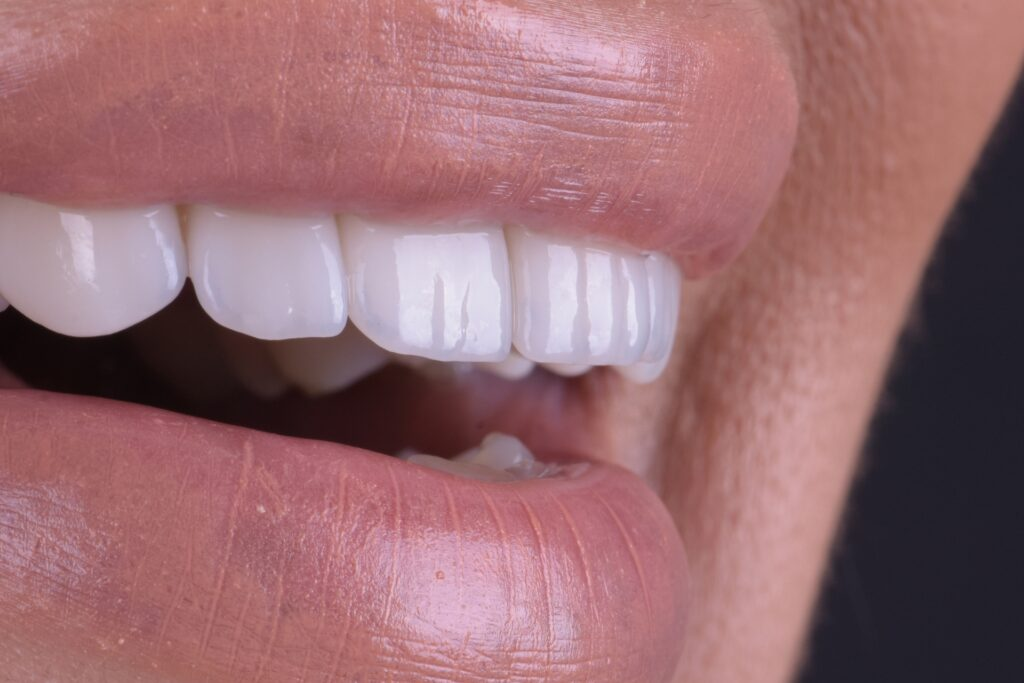
The Brightest White Is Not Always the Most Beautiful
Many people come to the clinic thinking they want the whitest shade available.
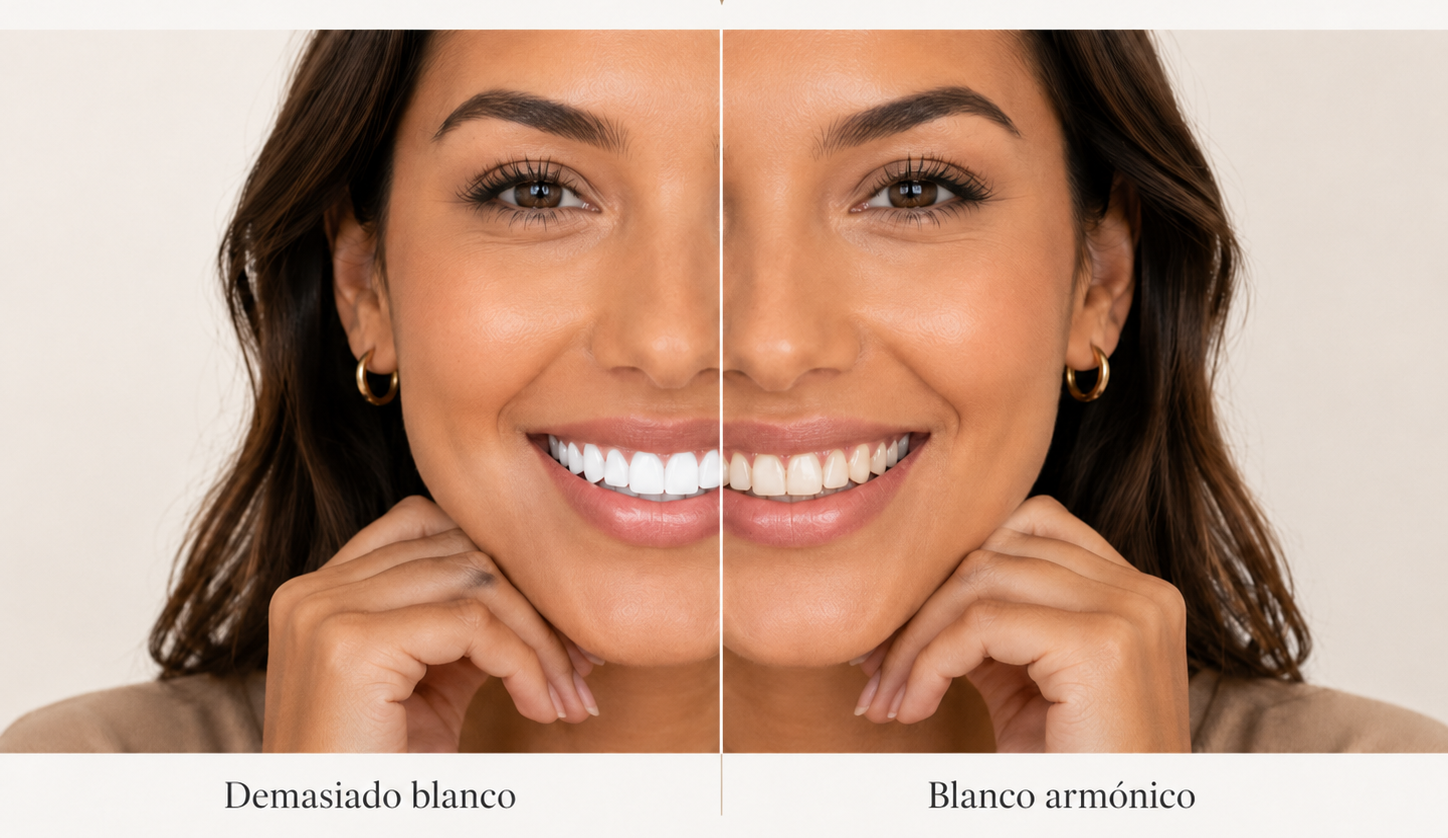
But when that shade is compared with the entire face, it can sometimes look too cold, opaque or disconnected from the person’s features.
An extremely white smile may draw too much attention to the teeth. Instead of blending into the face, it can become the only visible element.
A slightly softer shade can brighten the smile without overpowering it.
The ideal result is one where the teeth look cleaner, brighter and fresher, while still appearing natural.
Elegant aesthetic dentistry is not about making everyone notice the treatment. It is about making the whole face look better.
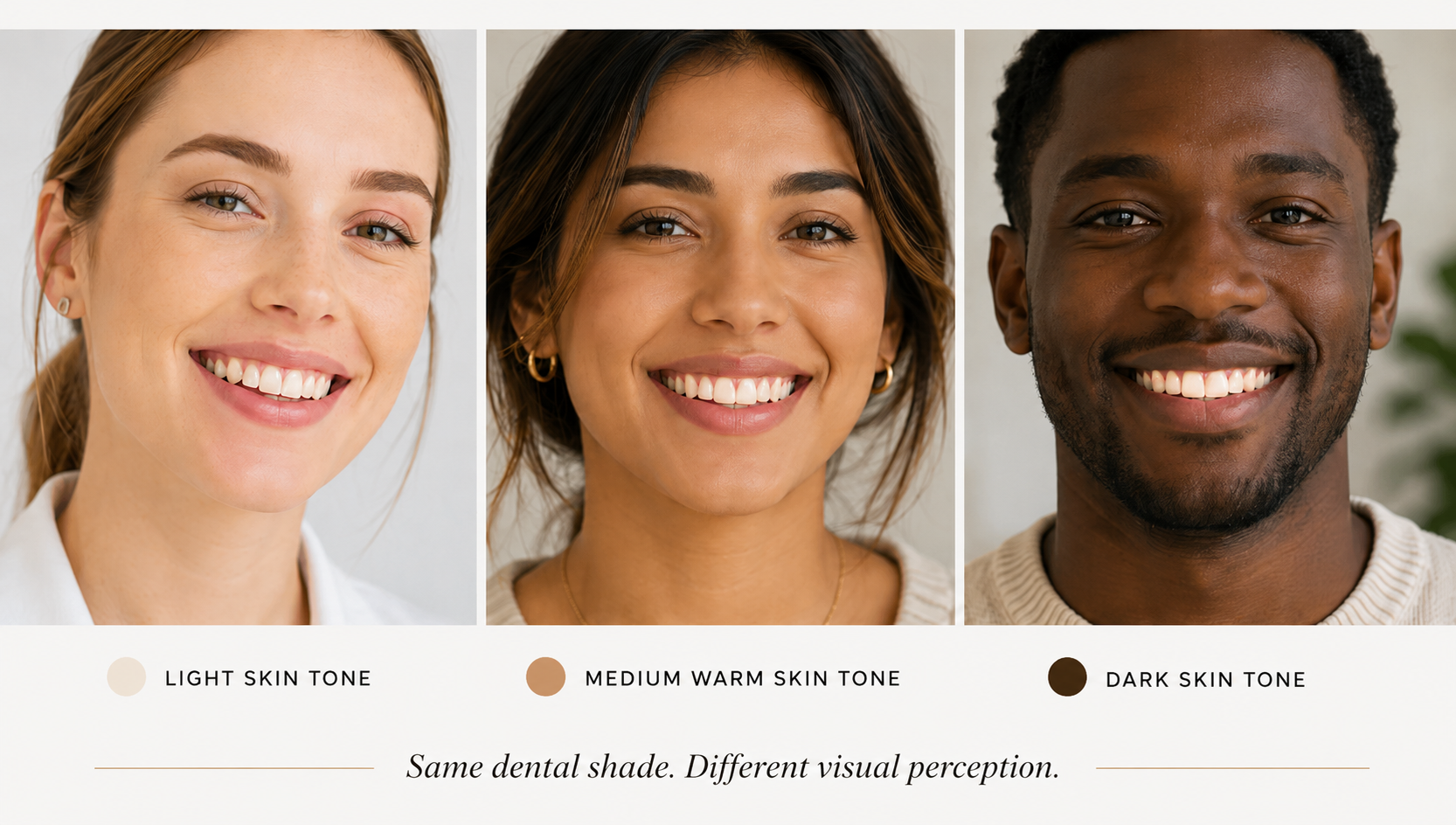
How Skin Tone Influences Tooth Colour
Skin tone can strongly influence how tooth colour is perceived.
With warmer skin tones, very cool white shades may appear artificial. In these cases, a luminous white with a slightly warm undertone may blend more naturally with the face.
With lighter or cooler skin tones, certain white shades can look very natural, provided they are not too opaque.
However, there is no rigid rule.
Hair colour, eye colour, lip colour, makeup and facial expression also play a role.
That is why shade selection should never be made by looking only at a colour guide inside the mouth. The smile should always be assessed within the context of the whole face.
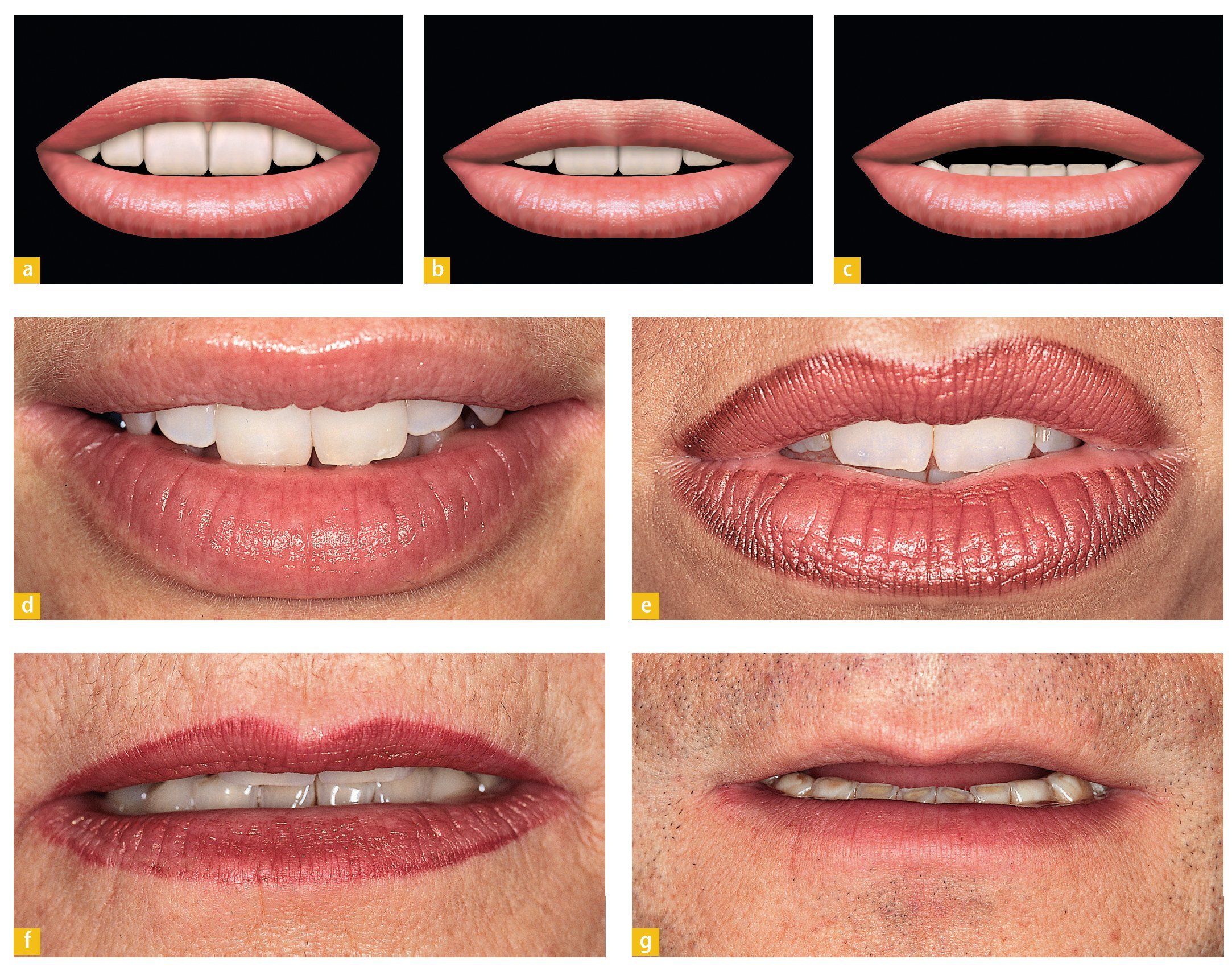
How the Lips Influence Tooth Colour
The lips frame the smile.
Their colour, volume, shape and movement can completely change the way tooth colour is perceived.
The same shade can look different on a person with strongly pigmented lips compared with someone with lighter lips.
It also matters how much of the teeth is visible when smiling. If many teeth are shown, the colour has a stronger visual presence. If the smile is more discreet, the shade may blend differently.
At SMITA, we assess how the teeth and lips work together both at rest and during smiling.
A smile is not a static photograph. It is a dynamic part of the face.
Age Also Influences Shade Selection
Over time, teeth naturally tend to become darker.
The enamel may become thinner, allowing more of the inner dentine to show through. This is why a brighter smile can create a fresher appearance.
However, choosing an excessively white shade can create a contrast that does not look natural with the face.
For adult patients, we often look for balance: a clear improvement in colour while maintaining softness and depth.
The goal is not to create a smile that looks like it belongs to a different age. It is to refresh the smile in an elegant and coherent way.
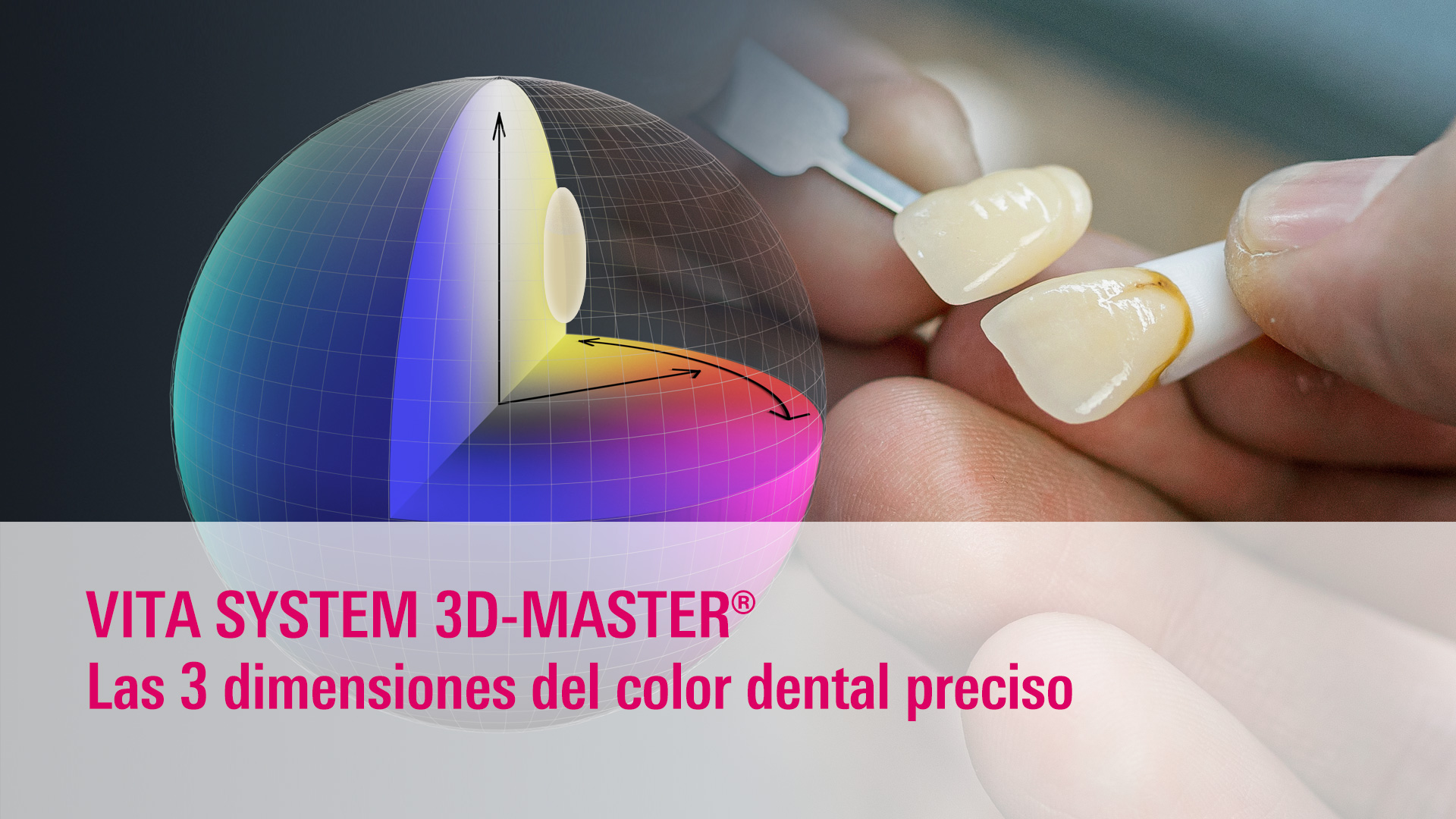
The Difference Between Luminosity and Artificial Whiteness
Luminosity and extreme whiteness are not the same.
A luminous smile reflects light well, has a clean appearance and blends naturally with the face.
An artificially white smile may look too opaque, flat or uniform.
Luminosity depends on several elements:
Colour.
Translucency.
Surface texture.
Tooth shape.
Tooth position.
Gum health.
The way light reflects from the teeth.
That is why improving a smile is not only about choosing a whiter shade.
Sometimes, a small change in shape, texture or alignment can add as much luminosity as the colour itself.
How We Approach Colour in Teeth Whitening
With teeth whitening, we do not select an exact final shade in the same way we do with a veneer or crown.
The result depends on the starting colour, the type of staining, the structure of the teeth and the way each patient responds.
At SMITA, we use Philips Zoom and, in most cases, combine an in-clinic session with custom-made trays for at-home use.
This approach allows us to improve the colour progressively and under control.
The goal is not to force an extreme white, but to achieve the highest level of luminosity that can be reached safely and naturally in each case.
Every patient responds differently, which is why we explain realistic expectations before treatment begins.

How We Choose the Colour of Veneers
With veneers, the colour can be planned more precisely.
However, we do not choose the shade by looking only at the veneers. We also consider the natural teeth that will remain visible.
If veneers will be placed on only some teeth, whitening may be recommended first. This creates a brighter base and allows us to choose a veneer shade that integrates better with the rest of the smile.
We also assess:
The translucency of the porcelain.
The colour of the tooth underneath.
The thickness of the veneer.
The surface texture.
The shape and length of the teeth.
The colour of neighbouring teeth.
Natural and artificial light.
A natural veneer should not have a flat colour. It needs depth, subtle variations and a way of reflecting light that resembles natural enamel.
Should All Veneers Have Exactly the Same Colour?
Veneers should form part of a harmonious smile, but that does not mean every tooth should look exactly the same.
Natural teeth have small variations in shape, texture and translucency.
When all the teeth have an identical shape and completely uniform colour, the result can look too perfect and unnatural.
A good smile design aims for balance, not absolute uniformity.
The teeth should work together while still maintaining some individuality.
These subtle differences are exactly what make a smile look real.
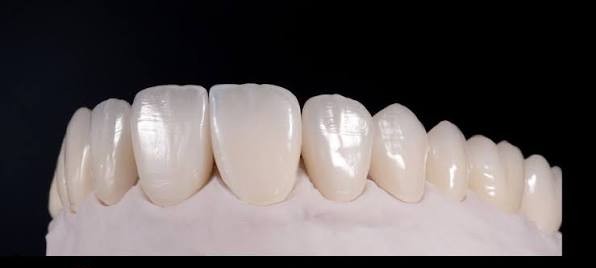
The Role of Tooth Texture
Texture has a major influence on how colour is perceived.
A surface that is too smooth can reflect light very strongly and make the tooth look flatter or more artificial.
A carefully designed texture allows light to reflect in a way that is more similar to natural enamel.
Fine lines, subtle contours and small surface variations add depth.
This is why two veneers with the same shade can look completely different if one has a natural texture and the other is too smooth.
In aesthetic dentistry, detail makes the difference.
The Importance of Light When Choosing Tooth Colour
Tooth colour can change depending on the type of light.
A shade may look one way under clinic lighting and different under natural light, warm light or cool light.
That is why, when choosing the colour of aesthetic restorations, it is important to assess the result under different lighting conditions.
Certain clothing colours or makeup can also temporarily affect perception.
Shade selection should be done calmly and with a complete view of the patient.
It is not only a technical decision. It is also an aesthetic one.
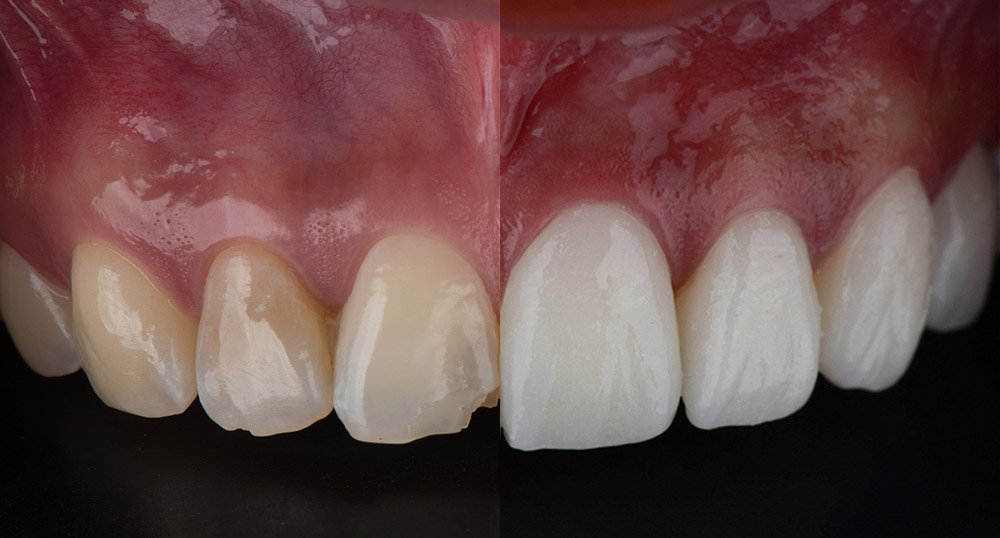
Why Whitening Should Be Done Before Choosing the Final Shade
When a treatment includes veneers, crowns or visible reconstructions, we often recommend teeth whitening first.
The reason is simple: natural teeth can be lightened, but restorative materials do not change colour afterwards.
If the final veneer shade is selected before whitening, it may look too dark once the natural teeth have become lighter.
That is why we first improve the colour of the natural teeth. We then allow the shade to stabilise before selecting the final colour of the restorations.
This planning helps create a smile that is more uniform, luminous and natural.
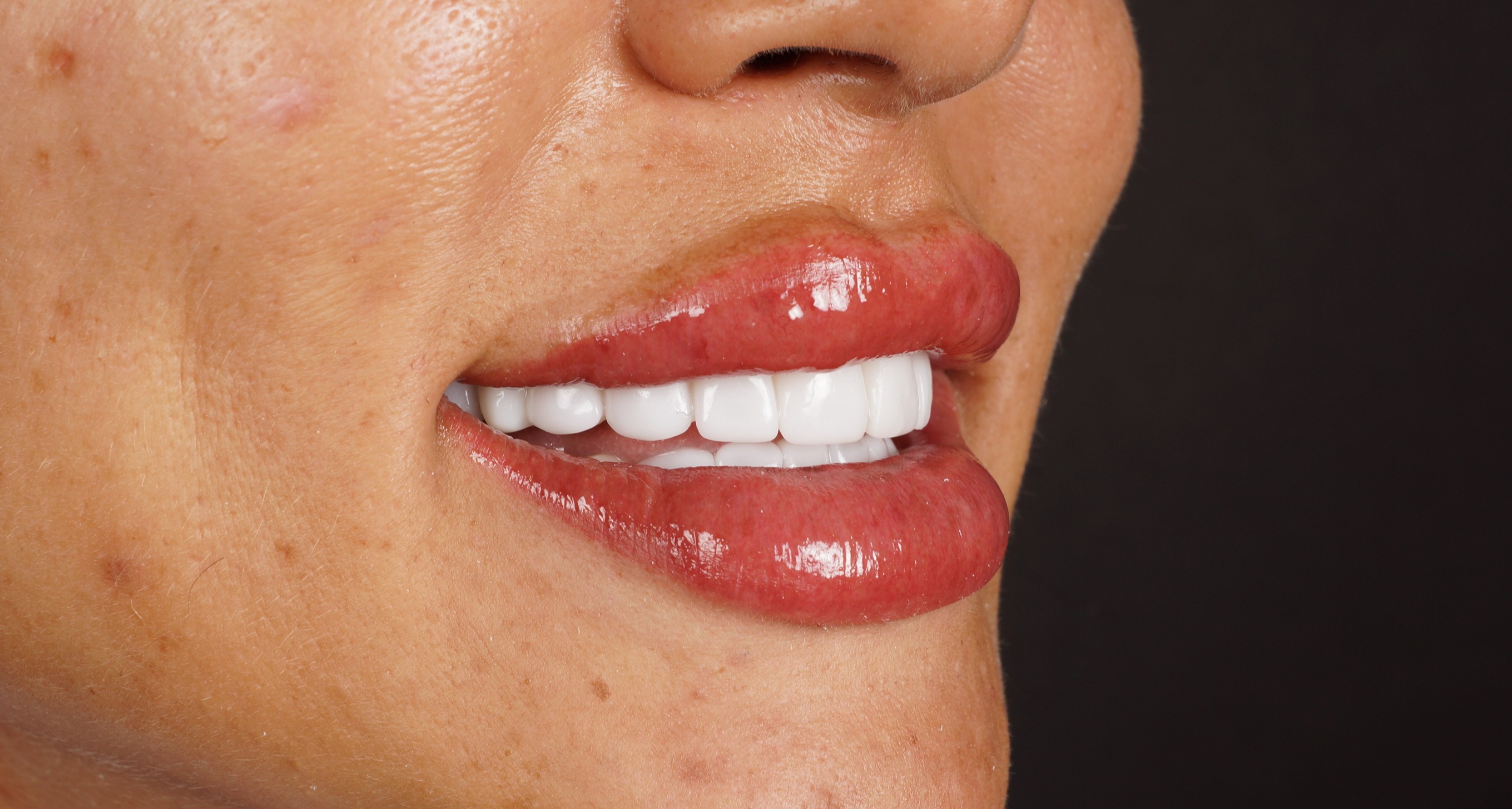
How to Avoid an Artificial Smile
To avoid an artificial result, it is important not to make decisions based only on a photograph from social media or the shade chosen by someone else.
Every smile needs a different design.
A natural-looking result depends on:
A proper diagnosis.
Personalised planning.
A tooth shade that suits the face.
Balanced tooth proportions.
Carefully designed texture.
Translucency similar to natural enamel.
Good integration with the gums and lips.
A conservative and precise approach.
A natural-looking smile does not happen by chance. It is the result of many small decisions made correctly.
How We Choose Tooth Colour at SMITA
At SMITA Advanced Smile Design, we begin by listening to the patient.
We want to understand what they would like to improve, what kind of smile they are attracted to and what result they want to avoid.
We then assess the natural colour of the teeth, the skin, lips, gums, tooth shape, smile and face as a whole.
We also determine whether the appropriate treatment is whitening, veneers, aesthetic reconstruction or a combination of procedures.
Our goal is to create a smile that is brighter, but not exaggerated. More refined, but not artificial. More aesthetic, but always consistent with the person.
We do not aim to create the same white shade for everyone.
We aim to find the colour that makes each individual smile look its best.

Frequently Asked Questions
What Is the Most Natural Tooth Colour?
There is no single natural shade for everyone. The right colour depends on skin tone, lips, age, the starting colour of the teeth and the overall harmony of the face.
Does the Whitest Shade Always Look Better?
No. A shade that is excessively white can look artificial, opaque or disconnected from the face. In many cases, a softer and more luminous white looks much more elegant.
Can I Choose the Exact Colour After Whitening?
Whitening does not allow us to select an exact final shade. The result depends on how the natural teeth respond. We can, however, control the process and aim for a progressive, safe and harmonious result.
Can I Choose the Colour of My Veneers?
Yes. The shade of veneers is selected individually, taking into account the natural teeth, skin tone, lips, tooth shape and desired result.
Should I Have Whitening Before Veneers?
In many cases, yes. If some natural teeth will remain visible, whitening them first allows us to choose a brighter veneer shade that blends better with the smile.
Are All Natural Teeth the Same Colour?
Not exactly. Natural teeth have small variations in shade, translucency and texture. These differences help the smile look more natural.
How Can I Prevent My Veneers from Looking Artificial?
The key is careful planning. Colour, shape, texture, translucency, proportions and facial integration should all be designed individually.
Conclusion
Choosing the right tooth colour is one of the most important decisions in any aesthetic dental treatment.
The whitest shade is not always the most beautiful. The best colour is the one that adds luminosity, blends with the face and allows the smile to remain natural.
At SMITA Advanced Smile Design in Barcelona, we assess every smile individually. We do not choose colour by looking only at the teeth, but at the whole person.
An elegant smile does not need to be excessively white. It needs balance, light and harmony.
Book your aesthetic assessment at SMITA and discover which tooth colour may suit your smile best.