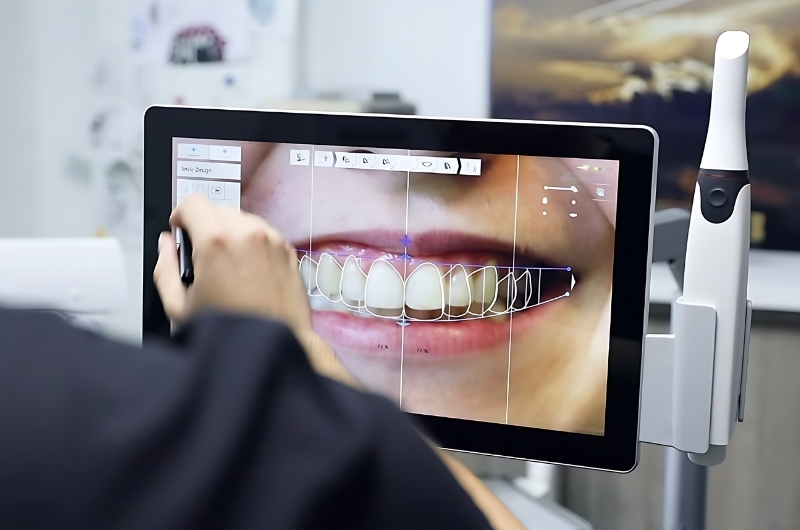
A beautiful smile does not depend only on having white or perfectly aligned teeth.
True harmony appears when the teeth, gums, lips and face work together in balance.
That is why smile design should not focus only on changing teeth. It should analyse how the smile integrates with the person’s complete facial expression.
At SMITA Advanced Smile Design in Barcelona, we approach smile design from a global perspective. We study tooth shape, proportions, colour, the gum line, the lips, the bite and the relationship between the smile and the face.
The goal is not to create a standard or excessively perfect smile. The goal is to design a smile that looks more natural, luminous and harmonious while always respecting each patient’s identity.
What Is Smile Design?
Smile design is a process of aesthetic analysis and planning that allows us to study how to improve the smile in a personalised way.
It is not a single treatment.
It may include different procedures depending on each person’s needs:
Teeth whitening.
Porcelain or composite veneers.
Aesthetic reconstructions.
Invisible orthodontics.
Dental contouring.
Gum treatment.
Aesthetic rehabilitation.
Implants or crowns, when indicated.
The purpose of smile design is to determine which changes are necessary and which are not.
In many cases, the best result does not come from doing more treatments, but from performing only those that truly improve the balance of the smile.
A Natural Smile Begins with the Face
Teeth do not exist in isolation.
Their shape, size, position and colour should relate to the whole face.
In smile design, we analyse factors such as:
Facial shape.
Facial symmetry.
The facial midline.
Lip position.
The amount of tooth visible when smiling.
Gum exposure.
Smile width.
Facial dynamics while speaking and smiling.
The same smile does not work equally well for every person.
A tooth shape that looks elegant on one face may look too strong or artificial on another.
That is why copying someone else’s smile or relying only on a social media image is rarely a good reference.
A natural smile must be designed for the person who wears it.
The Importance of Tooth Proportions
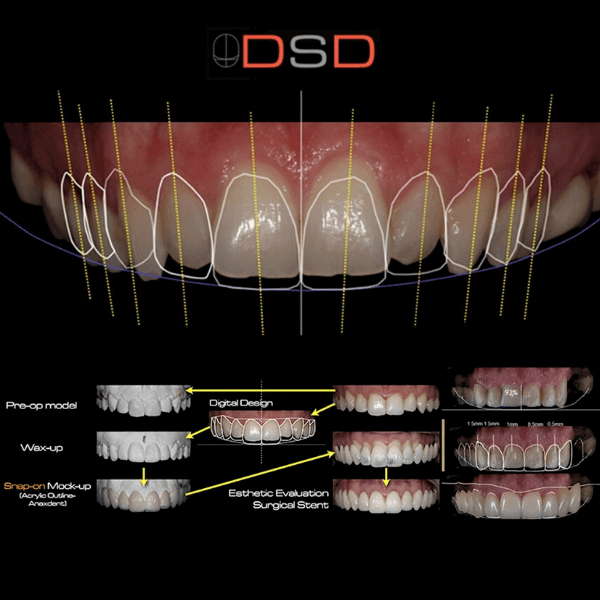
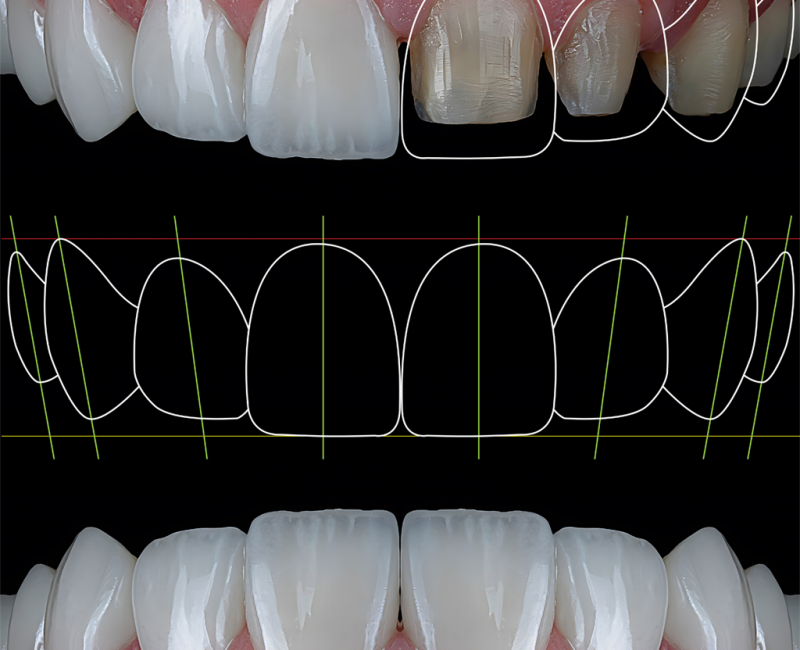
Proportions strongly influence how we perceive the smile.
The front teeth should relate to one another in a balanced way. The central incisors usually have more presence, while the lateral incisors and canines support the overall rhythm of the smile.
But this does not mean they must follow a rigid mathematical formula.
In aesthetic dentistry, proportions are a guide, not an absolute rule.
We also consider:
Tooth length.
Tooth width.
The relationship between central and lateral incisors.
Canine position.
The amount of tooth visible.
The way the teeth follow the curve of the lower lip.
When proportions are carefully designed, the smile looks balanced without appearing artificially perfect.
Tooth Shape and Personality
Tooth shape has a strong influence on the personality of a smile.
Teeth can have more rounded, straighter, softer or more defined shapes.
Rounded forms often create a softer and more delicate appearance.
Straighter or more angular forms can create a stronger, more defined or sophisticated impression.
However, there are no exclusively masculine or feminine tooth shapes.
The choice depends on the face, age, personal style, expression and the result the patient wants.
At SMITA, we look for a tooth shape that fits the person rather than following a trend.
A smile should feel authentic, not imposed.
The Smile Line
The smile line describes the relationship between the edges of the upper teeth and the curve of the lower lip.
In a harmonious smile, the edges of the teeth usually follow the curvature of the lip in a gentle way.
When this relationship is lost, the smile can look flat, aged or disconnected from the face.
This can happen because of:
Tooth wear.
Teeth that are too short.
Irregular edges.
Incorrect tooth position.
Old restorations.
Loss of dental volume.
In some cases, restoring the smile line can significantly transform the expression without changing every tooth.
Small, well-planned modifications can make a considerable difference.
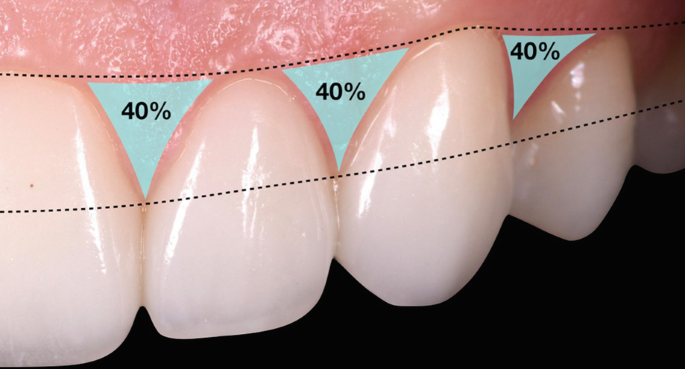
The Gum Line and Gum Aesthetics
The gums are also part of the smile.
A smile may have beautiful teeth, but if the gum line is irregular or inflamed, the overall result may lose harmony.
In smile design, we assess:
Gum height.
Gingival symmetry.
The amount of gum visible.
Periodontal health.
The presence of gum recession.
The relationship between the gums and tooth length.
In some cases, before placing veneers or performing reconstructions, it may be necessary to improve gum health or correct small differences in the gingival line.
Aesthetic dentistry always begins with healthy gums.
The Relationship Between Teeth and Lips
The lips frame the smile.
Their shape, volume, position and movement affect the way the teeth are perceived.
At rest, we analyse how much of the incisors is visible.
When smiling, we observe:
Smile width.
Tooth exposure.
Gum exposure.
The curve of the lower lip.
Lip symmetry.
Movement while speaking and smiling.
The same tooth shape can look completely different depending on the lips surrounding it.
That is why smile design should not be carried out by looking only at an intraoral photograph. It is necessary to study the whole face and the smile in motion.
Tooth Colour and Facial Harmony
Colour is an important part of smile design, but it should not be chosen in isolation.
The tooth shade should blend with:
The skin.
The lips.
The patient’s age.
The shape of the face.
The amount of teeth visible.
The patient’s personality.
The brightest white is not always the most flattering.
A shade that is too cool or opaque may make the smile look artificial.
A luminous but balanced shade can improve the expression without making the treatment obvious.
The goal is not to create extremely white teeth. The goal is to illuminate the face.
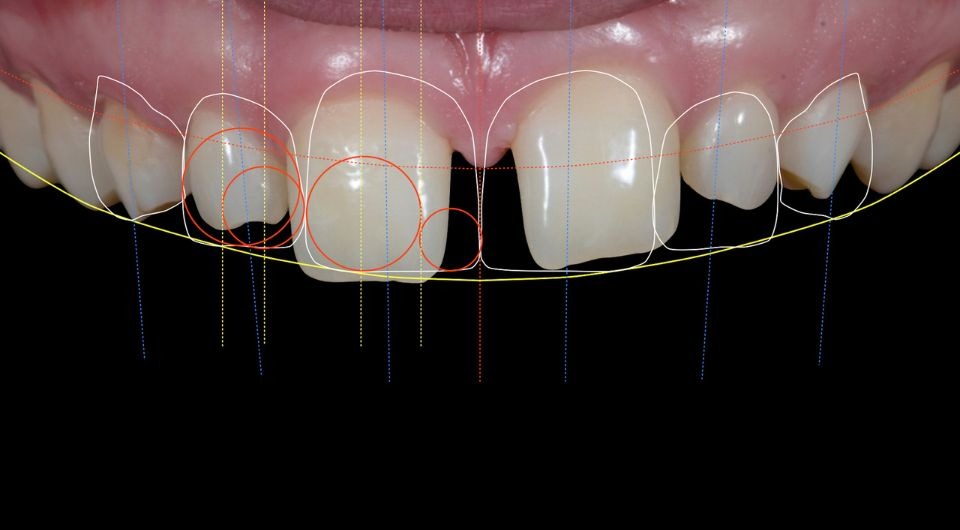
Symmetry: Balance, Not Absolute Perfection
Symmetry is important, but a natural smile does not need to be completely identical on both sides.
The human face naturally has small asymmetries.
The lips may move differently on each side. The dental midline may not perfectly match the centre of the face. One side may show slightly more tooth than the other.
These differences do not always need to be corrected.
In good smile design, we assess which asymmetries truly affect harmony and which are part of the person’s natural expression.
Trying to achieve absolute symmetry can create a rigid or artificial result.
We look for visual balance, not mathematical perfection.
The Importance of the Bite and Function
Smile design cannot be purely aesthetic.
The teeth must also function correctly.
Before performing veneers, reconstructions or significant changes, we analyse:
How the teeth come together.
Jaw movements.
The presence of wear.
Bruxism.
Bite stability.
The forces placed on the front teeth.
If function is not considered, even a beautiful result may develop problems over time.
Restorations may fracture, wear down or become overloaded.
That is why, in aesthetic dentistry, beauty and function must be planned together.
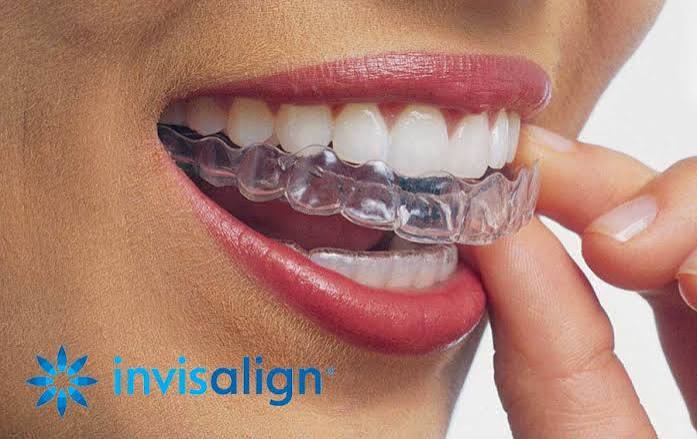
What Role Does Invisible Orthodontics Play?
In some cases, before placing veneers or performing reconstructions, the most appropriate approach is to move the teeth first.
Invisible orthodontics can help to:
Improve alignment.
Close or create spaces.
Correct tooth position.
Improve the bite.
Reduce the amount of tooth preparation required.
Achieve a more conservative result.
When teeth are well positioned, we can often carry out smaller and more respectful aesthetic treatments.
This allows us to preserve more natural tooth structure and improve the stability of the result.
Smile Design with Teeth Whitening
Not every smile design requires veneers.
In some patients, tooth shape and position are already appropriate, and the main concern is colour.
In these cases, professional teeth whitening may be enough to add luminosity and significantly improve the smile.
At SMITA, we work with Philips Zoom and, in most cases, use a combined protocol: an in-clinic session followed by custom-made trays for at-home use.
When properly indicated, whitening can be a very conservative and effective option.
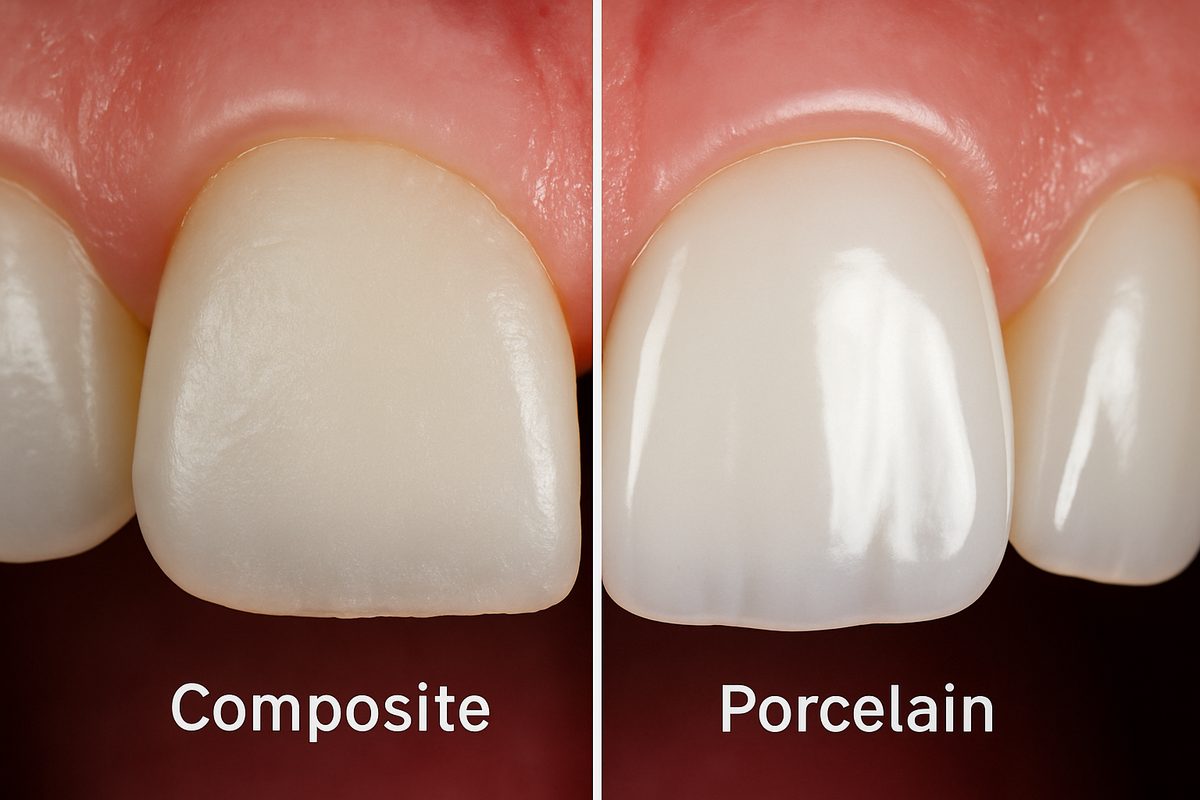
Smile Design with Composite
Aesthetic composite can be used to make small changes in shape, close spaces, repair edges or improve proportions.
It can be a good option in specific cases that do not require a complete transformation.
Its advantages include:
Direct treatment.
A conservative approach.
The possibility of repair or modification.
Good aesthetic integration when performed carefully.
However, composite also requires maintenance and may change in colour or texture over time.
The indication depends on the case, the bite, the size of the correction and the patient’s expectations.
Smile Design with Porcelain Veneers
Porcelain veneers can be an excellent option when we want to improve colour, shape, size, wear or proportions more comprehensively.
Porcelain allows us to work with:
Translucency.
Texture.
Luminosity.
Colour stability.
Precise proportions.
But veneers should not be used as an automatic solution.
Before recommending them, we must study dental health, the bite, tooth position, the amount of available enamel and more conservative alternatives.
A premium smile is not defined by using more porcelain, but by choosing the right treatment at the right time.
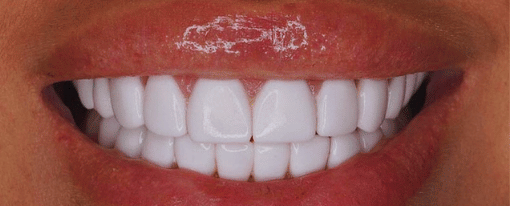
What Makes a Smile Look Artificial?
A smile may look artificial when:
The teeth are too white.
Every tooth has exactly the same shape.
There is no translucency.
The texture is too smooth.
The teeth are excessively large.
The smile does not follow the lips.
The tooth shape does not suit the face.
The gum line looks forced.
The result ignores the patient’s age or personality.
Artificiality does not depend only on the material.
Porcelain veneers can look extremely natural, while composite restorations can look artificial. Everything depends on planning, design, execution and attention to detail.
How We Avoid a Standardised Smile
At SMITA, we do not begin by asking: “Which smile would you like to copy?”
We begin by asking:
What would you like to improve?
What makes you feel uncomfortable about your smile?
What type of result attracts you?
What result would you like to avoid?
Would you prefer a subtle or more visible change?
What makes a smile look natural to you?
We then analyse the face, teeth, gums, bite and realistic treatment possibilities.
We do not believe that everyone should have identical, very white or perfectly symmetrical teeth.
We believe every smile should preserve identity.
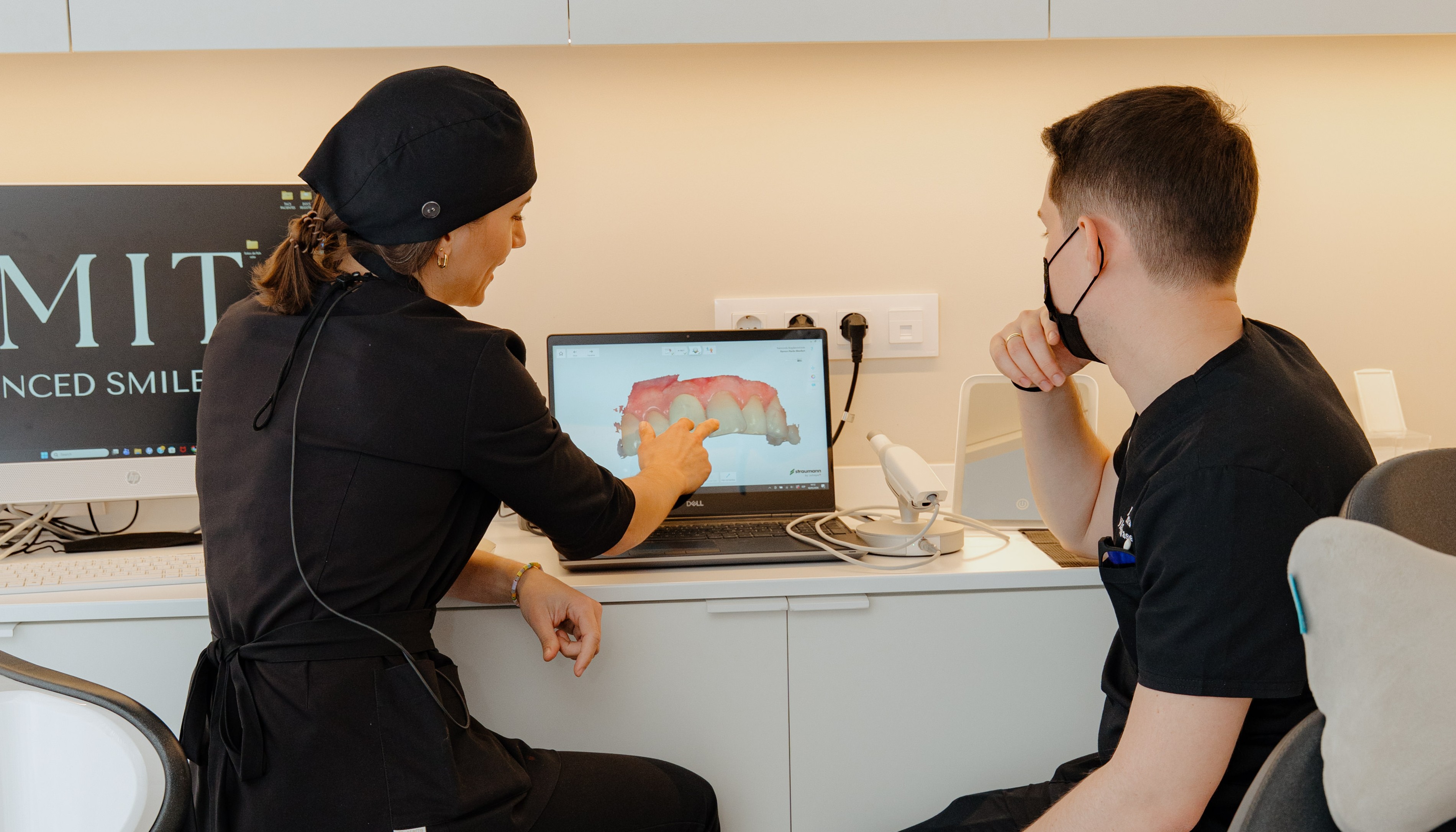
How We Approach Smile Design at SMITA
At SMITA Advanced Smile Design, the process begins with a personalised assessment.
We listen to the patient and study their goals.
We then perform a clinical evaluation that may include photographs, radiographs and smile analysis, depending on the needs of the case.
We analyse:
Oral health.
Tooth shape and position.
The bite.
The gums.
Tooth colour.
The smile line.
The relationship between the teeth, lips and face.
From there, we plan the different possibilities.
In some cases, the treatment may involve only whitening. In others, it may combine orthodontics, composite, veneers, gum treatment or aesthetic rehabilitation.
Smile design is not about applying the same treatment every time.
It is about understanding what each person needs.
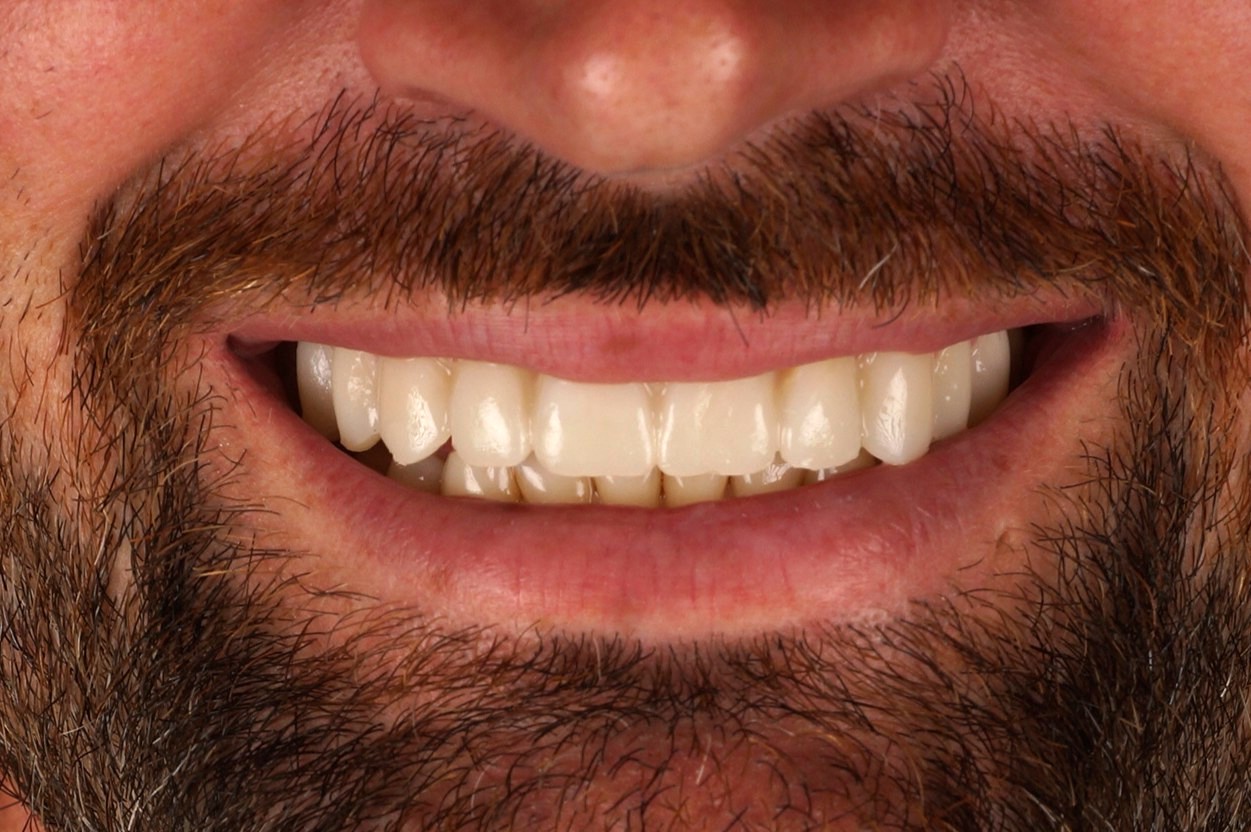
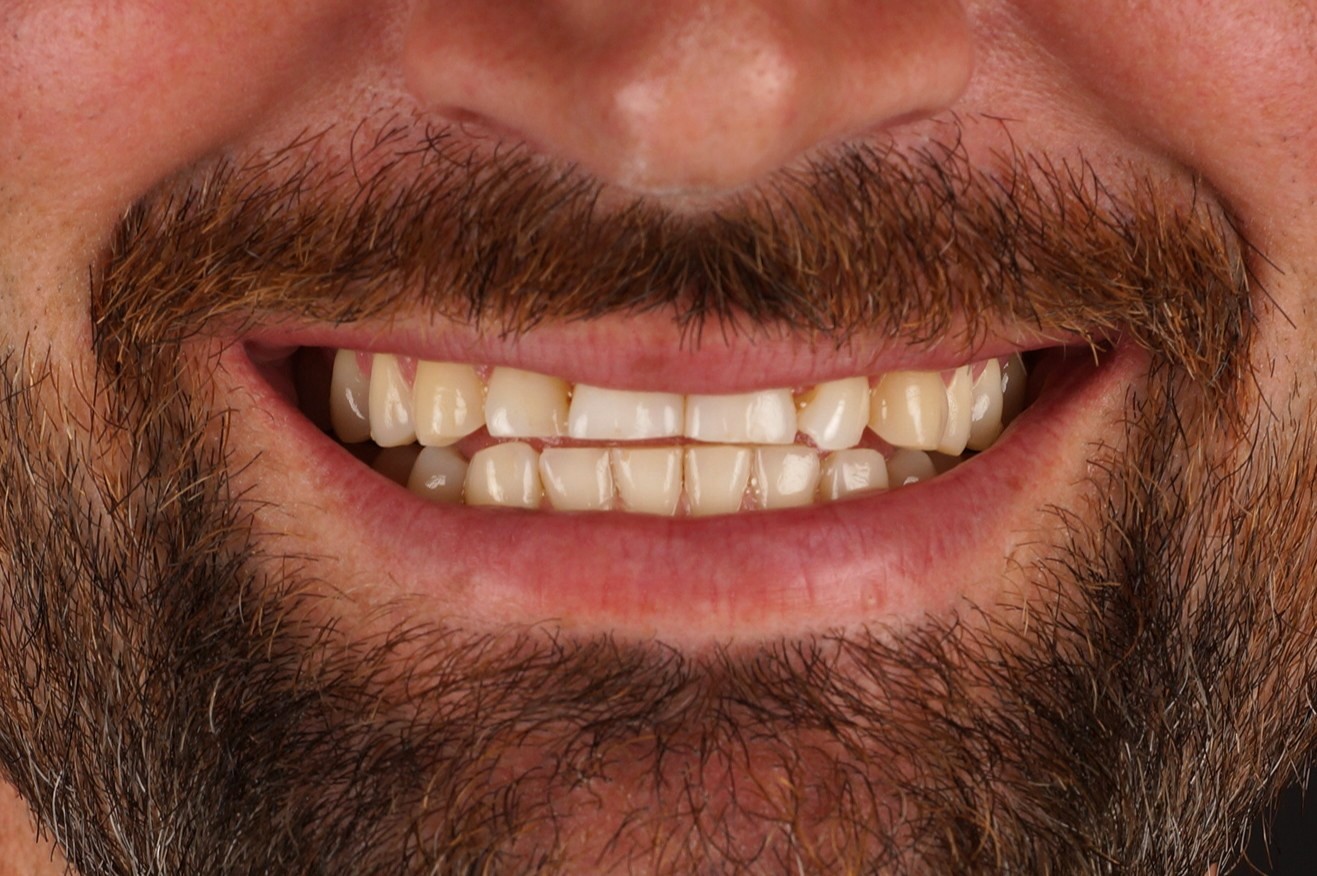
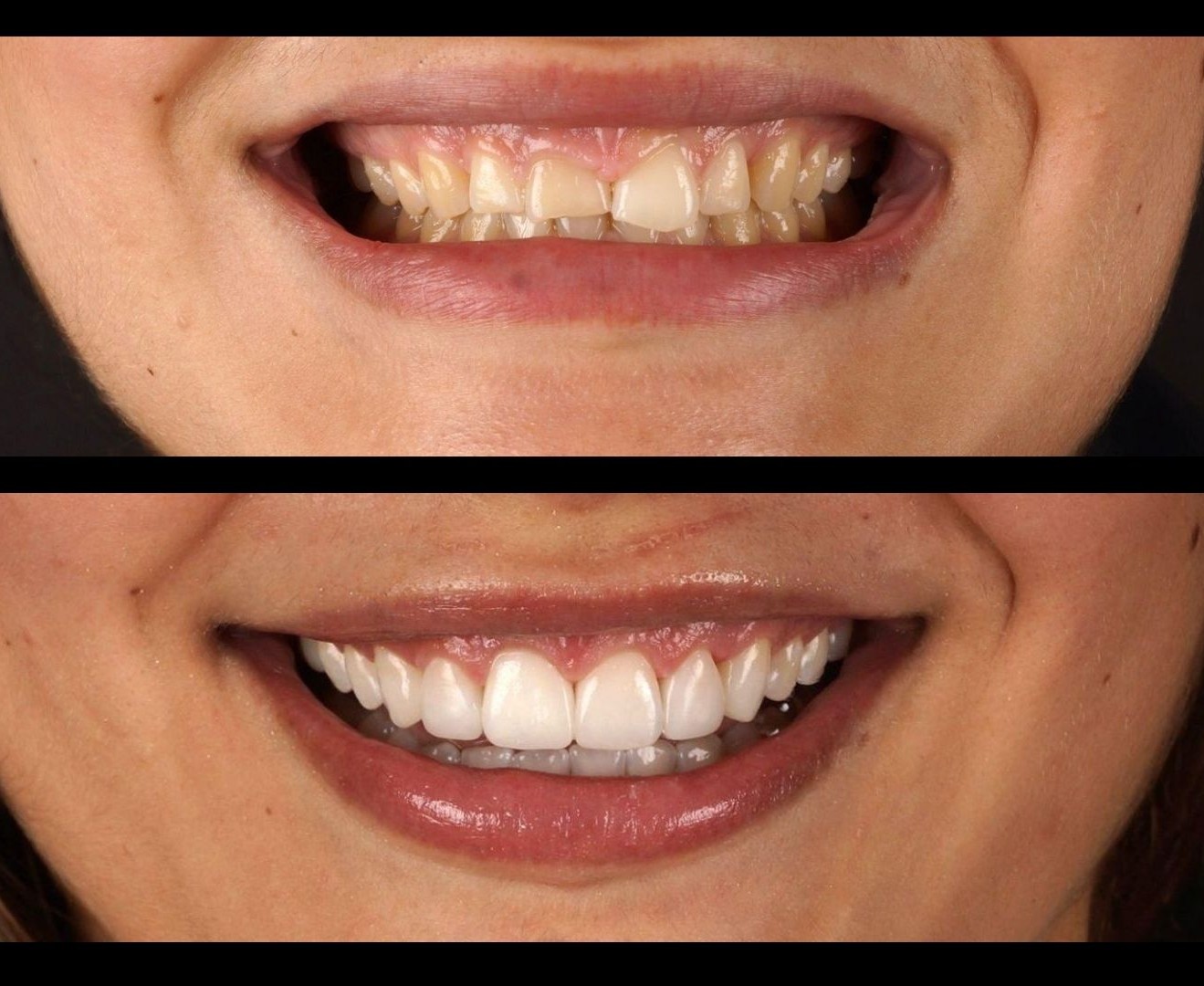
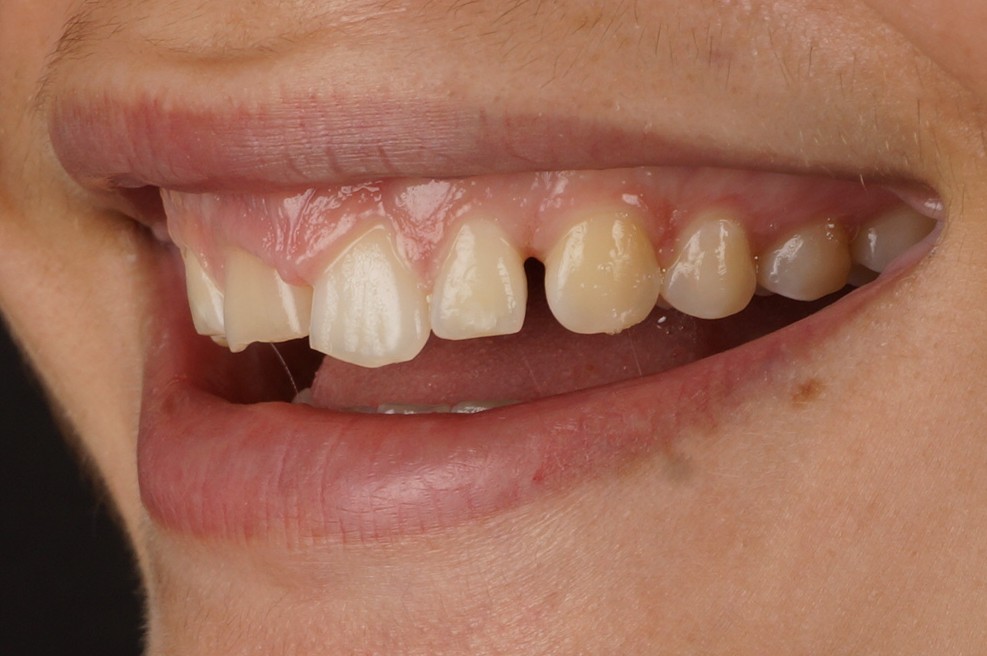
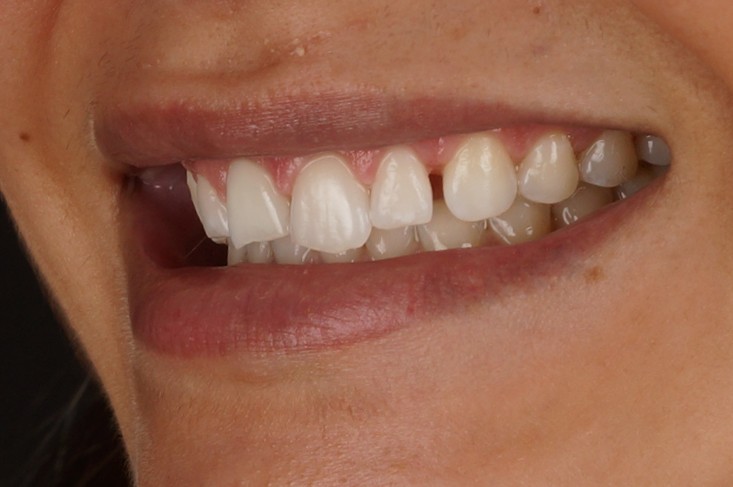
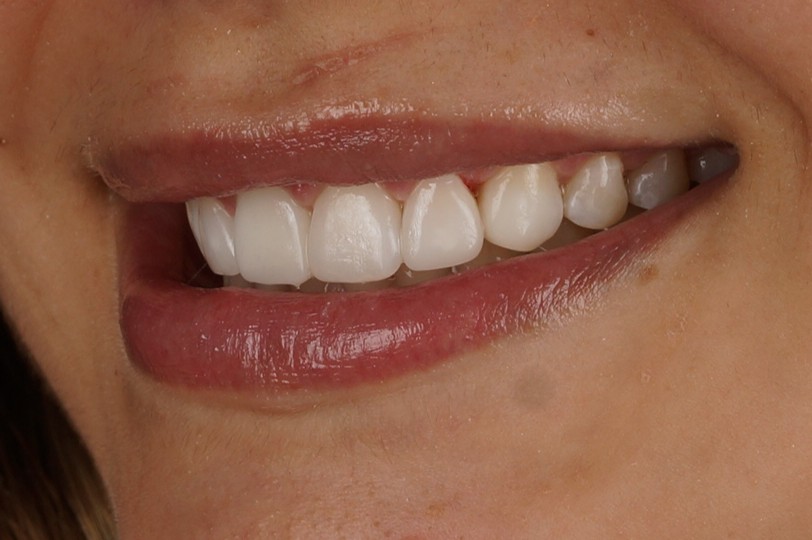
Real case of SMITA:
1. Gum correction 2. Philips Zoom whitening 3. Smile Design composite restorations
Who Can Benefit from Smile Design?
Smile design may be helpful for people who want to improve:
Tooth colour.
Tooth shape.
Tooth wear.
Irregular edges.
Alignment.
Spaces.
Proportions.
Gum exposure.
The overall harmony of the smile.
It can also be useful for patients who know they want to improve their smile but are unsure which treatment they need.
The assessment allows us to transform a general idea into a clear and personalised plan.
Frequently Asked Questions
Does Smile Design Always Include Veneers?
No. It may include whitening, invisible orthodontics, composite, gum treatment or a combination of procedures. Veneers are recommended only when they are indicated.
Can I See What My Smile Will Look Like?
This depends on the case and the planning tools used. Photographs, simulations or aesthetic mock-ups may help visualise the objective before the final treatment.
Can a Natural Smile Be Very White?
It can be bright and clear, but the colour should suit the skin, lips, face and personality. The whitest shade is not always the most natural.
Does Smile Design Change Every Tooth?
Not necessarily. In many cases, only the teeth that truly need improvement are treated. A selective approach is usually more conservative and natural.
Does Facial Shape Influence Tooth Design?
Yes. Facial shape, the lips, tooth exposure and expression help determine which tooth shapes and proportions will look most harmonious.
What Happens If I Have Bruxism?
It should be assessed before treatment. It may be necessary to stabilise the bite or use a night guard to protect the teeth and restorations.
How Long Does Smile Design Last?
It depends on the treatments performed, the bite, oral hygiene and maintenance. Each procedure has a different lifespan and requires specific care.
Conclusion
Personalised and natural smile design is not about creating perfect teeth.
It is about finding the right balance between shape, proportion, colour, gums, lips, face and function.
An elegant smile should integrate with the person, preserve their identity and improve their expression without looking artificial.
At SMITA Advanced Smile Design in Barcelona, we study every case individually to design smiles that look natural, luminous and consistent with the face.
We do not aim to create the same smile for everyone.
We aim to discover the smile that suits you best.
Book your aesthetic assessment at SMITA and discover what a personalised smile design could offer you.
Book online now:
https://smitasmile.com/en/book-your-appointment/