
The most complex aesthetic cases do not necessarily require the most aggressive treatments.
Sometimes, the opposite is true: the more challenging the smile, the more important it becomes to diagnose precisely, separate each individual problem and modify only what genuinely needs to be changed.
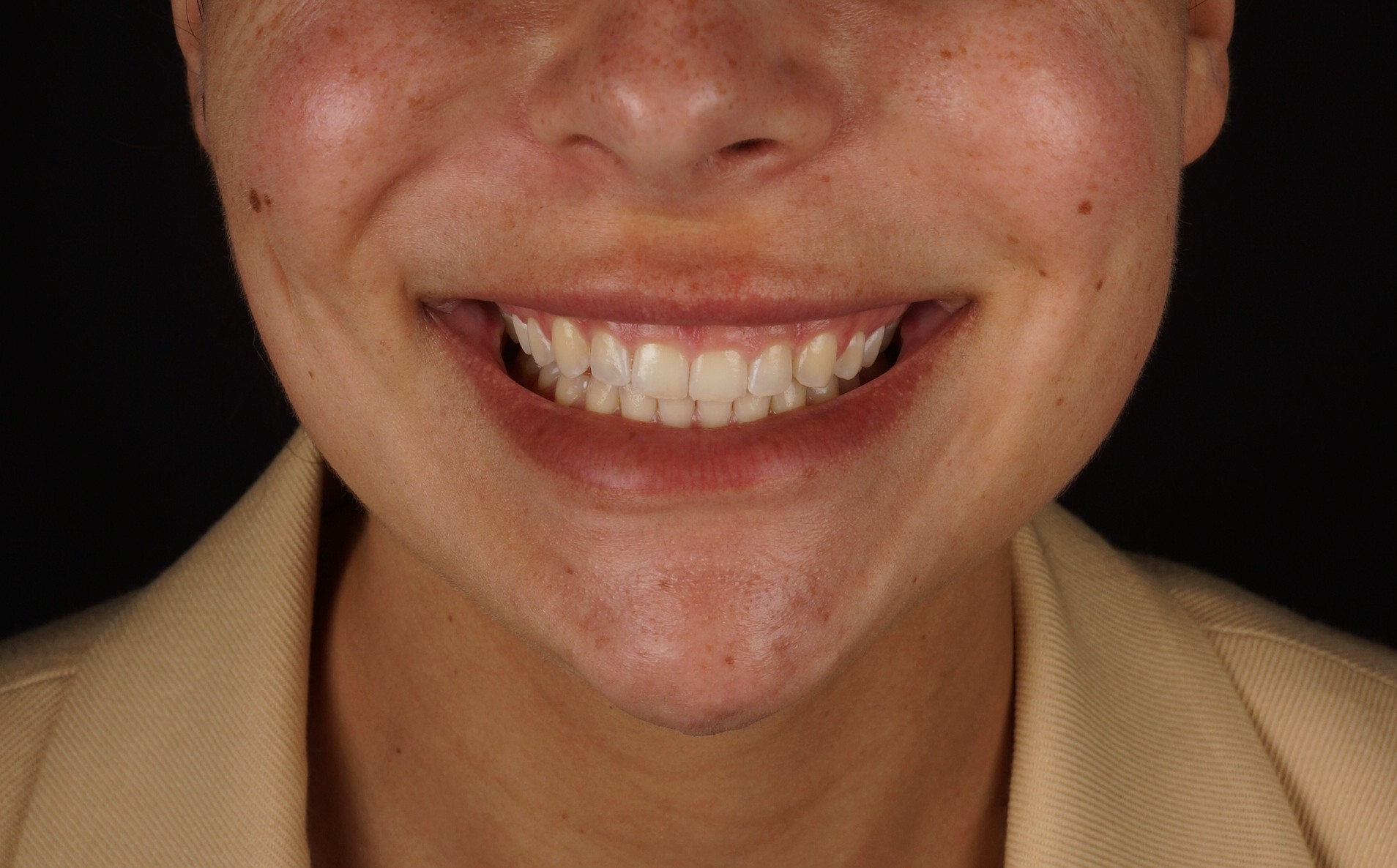
This patient came to SMITA because she did not feel comfortable with her smile.
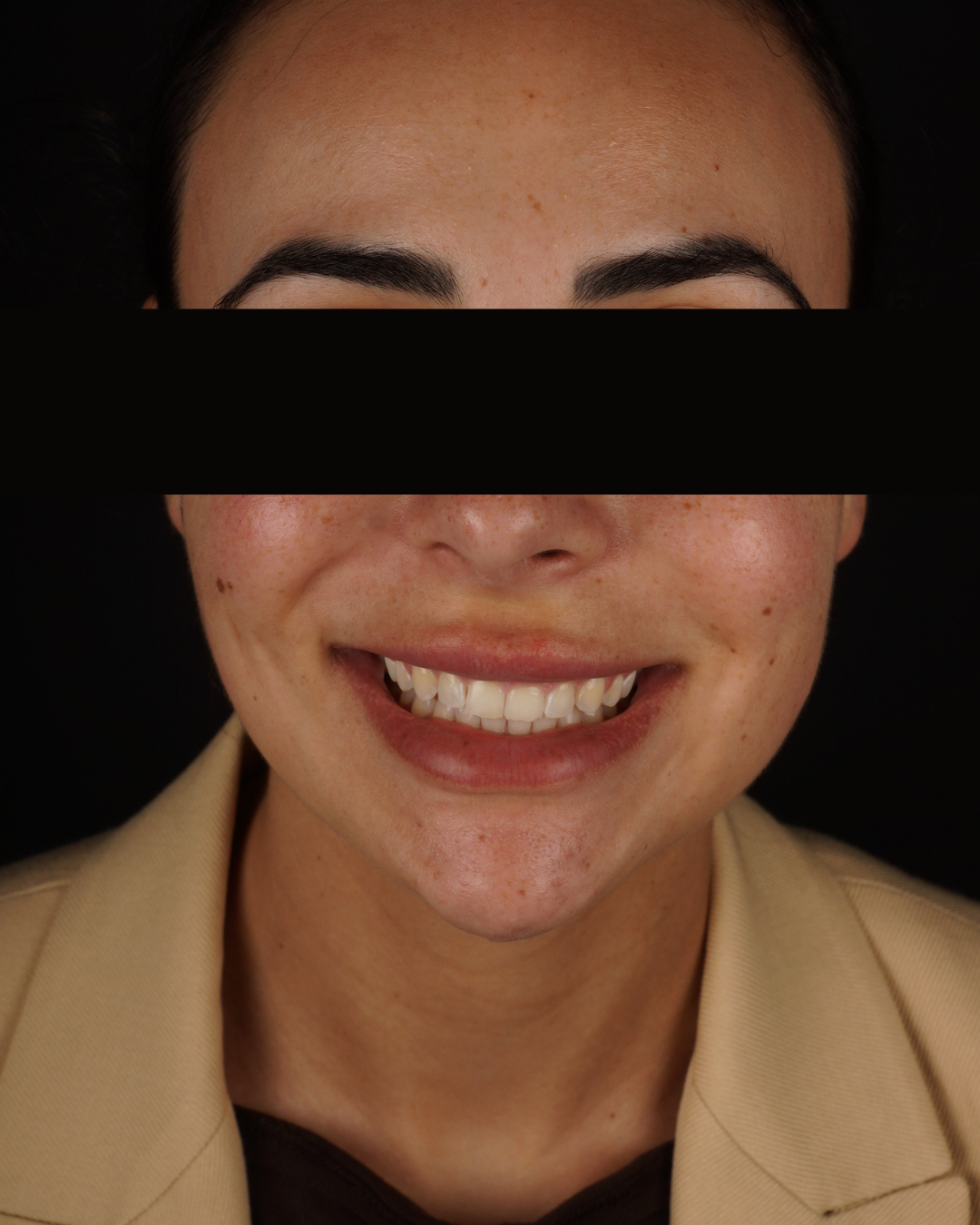
Her teeth appeared small, she showed a significant amount of gum — especially on her left side — and the smile presented a noticeable asymmetry. The second quadrant appeared visually lower than the first, there was a cant or inclination of the smile plane, and the dental midline also appeared displaced.
These situations are especially challenging because the problem does not lie only in the teeth.
The position of the maxilla, gingival architecture, dental proportions, lips and the way our eye perceives symmetry all contribute simultaneously to the final appearance of the smile.
Our objective was not to create artificial symmetry or over-treat a healthy mouth.
It was to achieve the greatest possible aesthetic improvement through highly conservative interventions, preserving teeth, bone and periodontal tissues.
First: understanding why the smile looked asymmetrical
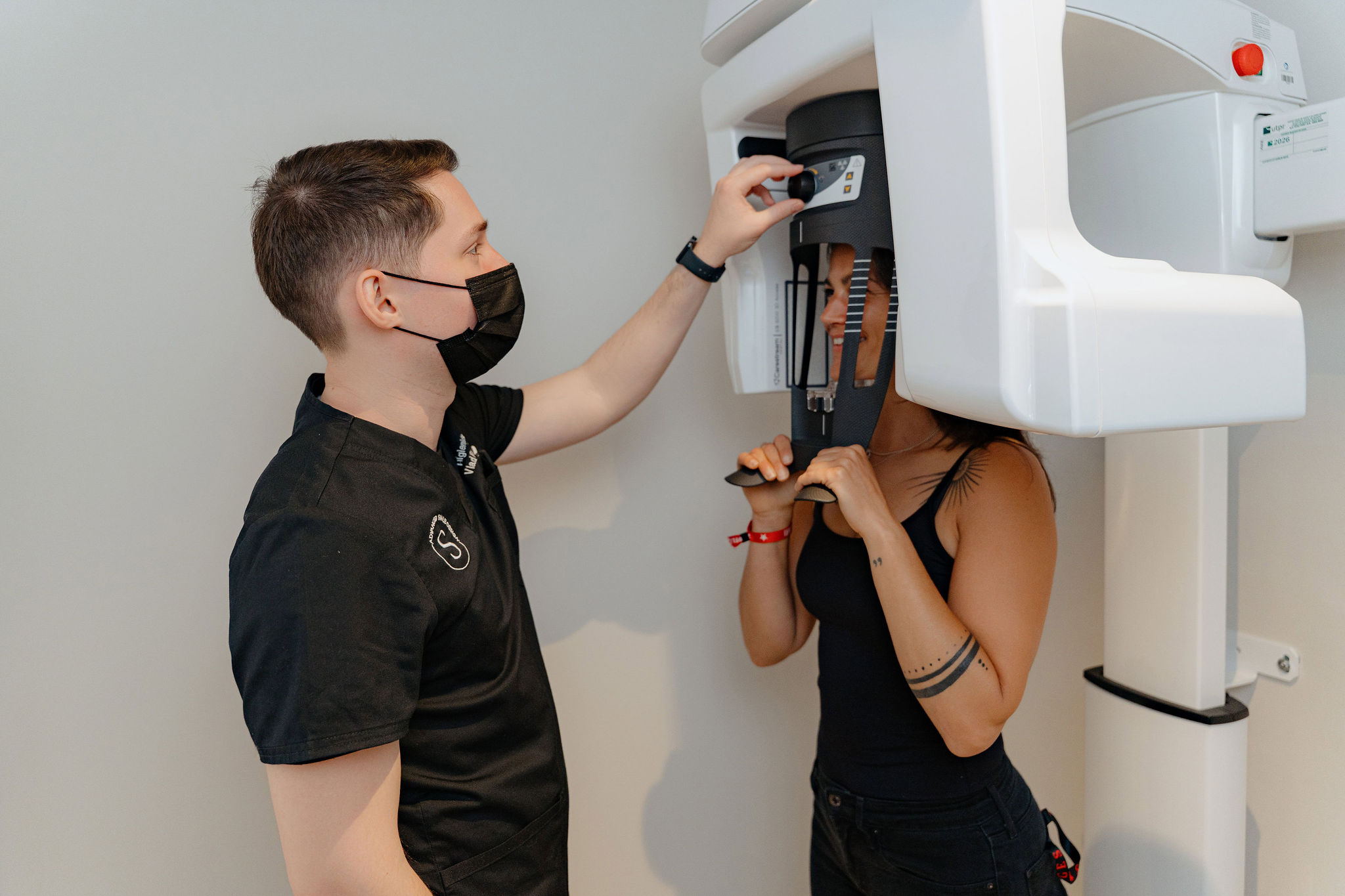
Before proposing any treatment, we carried out a complete diagnostic study.
Clinical examination
Facial and intraoral photographs
Facial and smile analysis
Lip and gingival display analysis
Assessment of dental proportions and midline
Complete periodontal charting
Intraoral radiographs
Maxillary CBCT scan
Joint assessment by our specialist in periodontal surgery and our aesthetic dentistry specialist
The CBCT allowed us to study the relationship between the gingival tissues, bone and maxillary anatomy before deciding how much the gingival architecture could safely be modified.
In aesthetic periodontal surgery, it is not enough to simply decide where we would like the gum margin to finish visually.
We must respect periodontal anatomy and preserve the tissues responsible for maintaining stability and health around each tooth.
For this reason, in a case like this, interdisciplinary diagnosis was just as important as the treatment itself.
Digital simulation: studying the result before intervening
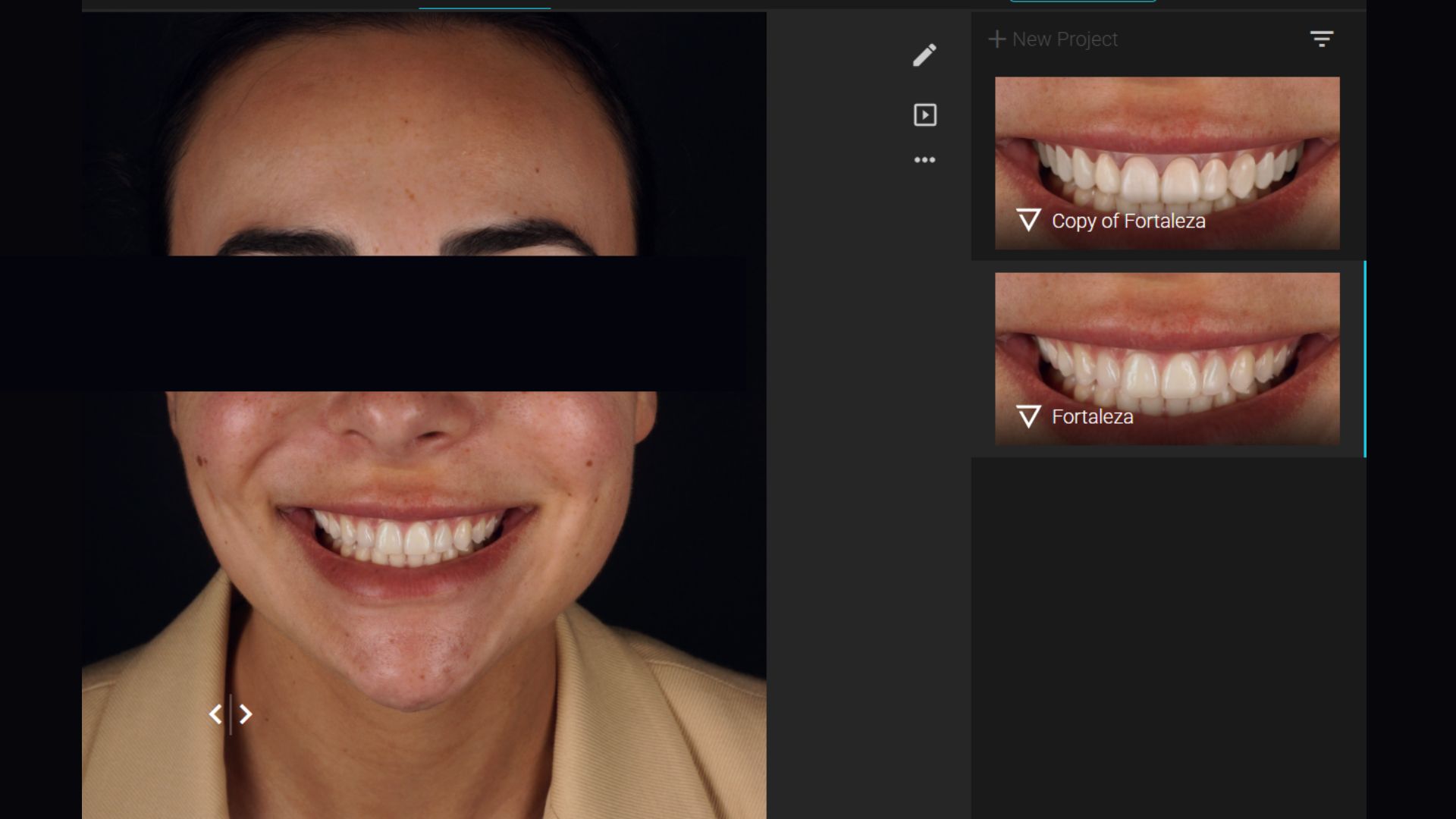
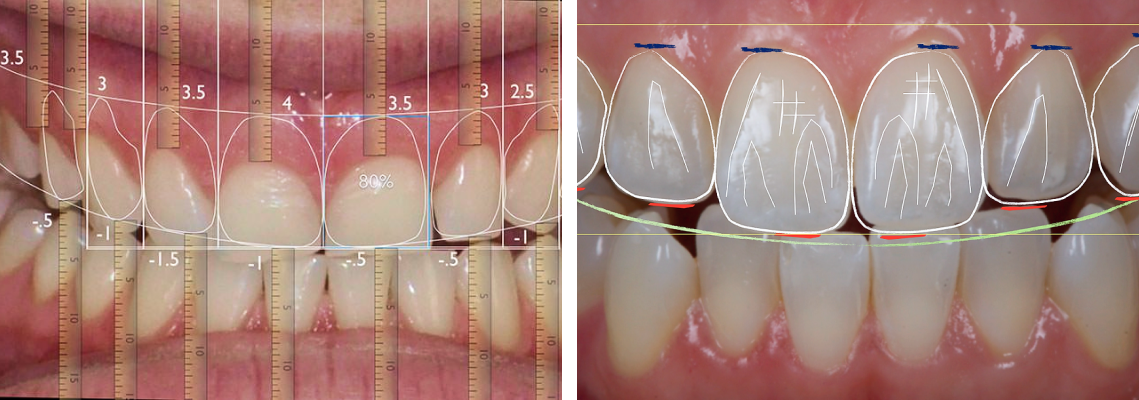
Using the initial photographs, we created a digital simulation of the possible transformation.
We wanted to visualise how the smile could change by modifying three fundamental elements:
Gingival architecture
Tooth length and proportions
The visual perception of the midline and smile plane
The simulation allowed us to assess a possible reduction in gingival display, give the incisors greater visual presence and evaluate how subtle modifications could help camouflage the maxillary cant without automatically resorting to considerably more invasive treatment.
The patient immediately connected with the proposed design and decided to proceed.
A complex case does not mean overtreatment
The treatment plan was divided into several phases, each designed to solve a different component of the problem.
Professional hygiene and periodontal stabilisation
Minimally invasive periodontal microsurgery with aesthetic crown lengthening, gingivectomy and mucoplasty on 8 teeth
Healing period
Philips Zoom whitening
Additive high-end composite restorations on the 6 upper anterior teeth, from canine to canine, without tooth reduction
The key was precisely not trying to solve the entire smile with restorations alone.
First, we modified the gingival framework.
Then the colour.
And finally the dental form.
Periodontal microsurgery: maximum precision with minimal intervention
The periodontal phase was probably the most delicate part of the treatment.
We performed minimally invasive surgery to carefully redefine the gingival architecture and create a more balanced relationship between teeth and gums.
Through aesthetic crown lengthening, gingivectomy and aesthetic mucoplasty, we reshaped the tissues with great precision to recreate the new gingival contours.
Mucoplasty is not simply about “removing gum”.
The objective is to design the scalloping, levels and gingival transitions so that they harmonise better with the teeth and the smile as a whole.
In this patient, we also needed to work with a significant asymmetry.
For that reason, differences of only a few millimetres could substantially change the final visual perception.
The surgery was carried out with a clear philosophy:
protect healthy tissues as much as possible and modify only what is necessary.
One week later: allowing biology to do its work
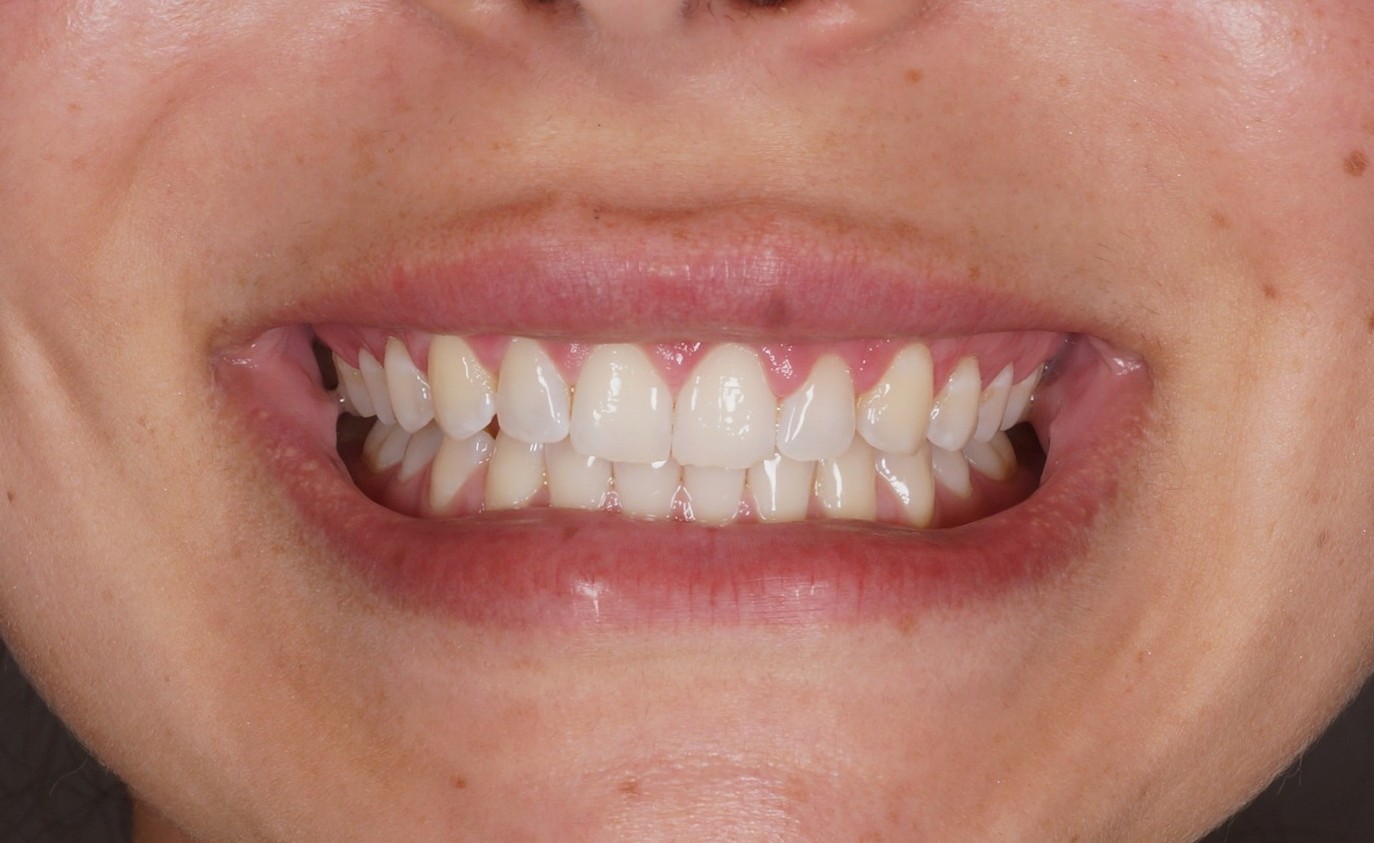
One week after surgery, the sutures were removed.
The gingiva was still slightly inflamed, which was completely expected at this early stage, but the new architecture was already showing a clear improvement.
Instead of continuing immediately with the aesthetic treatment, we waited.
We advised the patient to maintain particularly meticulous oral hygiene and allowed approximately two additional weeks for healing before moving to the next phase.
This waiting period is also part of conservative dentistry.
Not everything should be done as quickly as possible.
Respecting biological healing times is essential for stability.
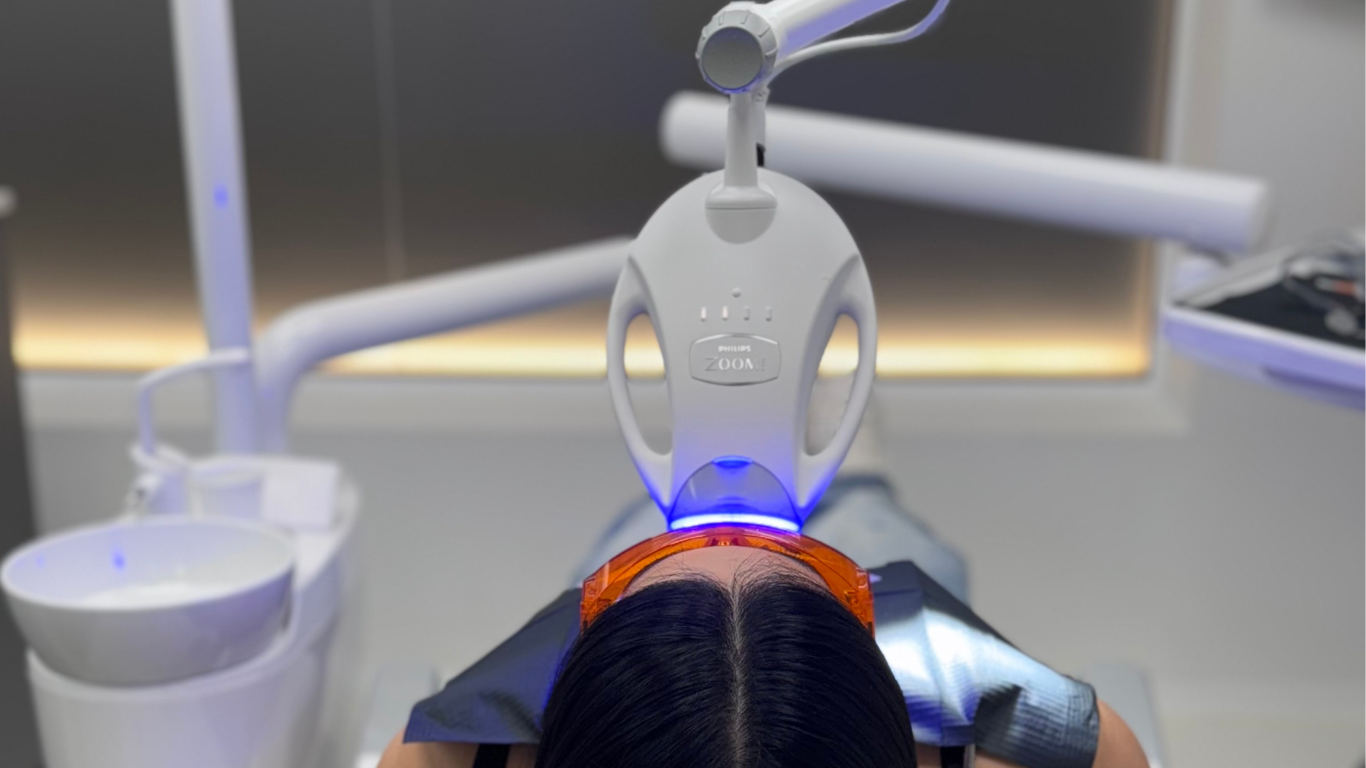
Whitening before composite: establishing the natural colour first
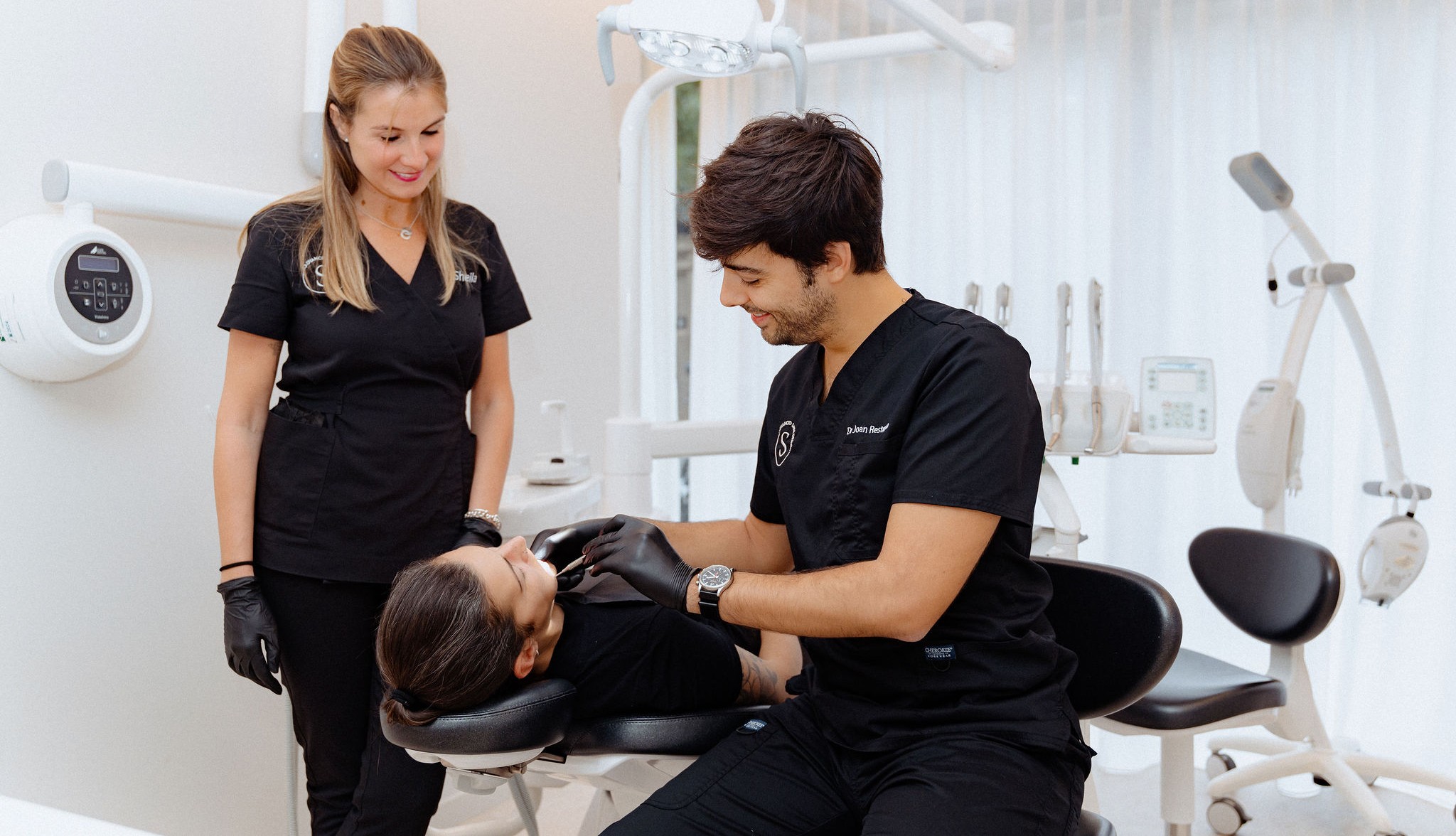
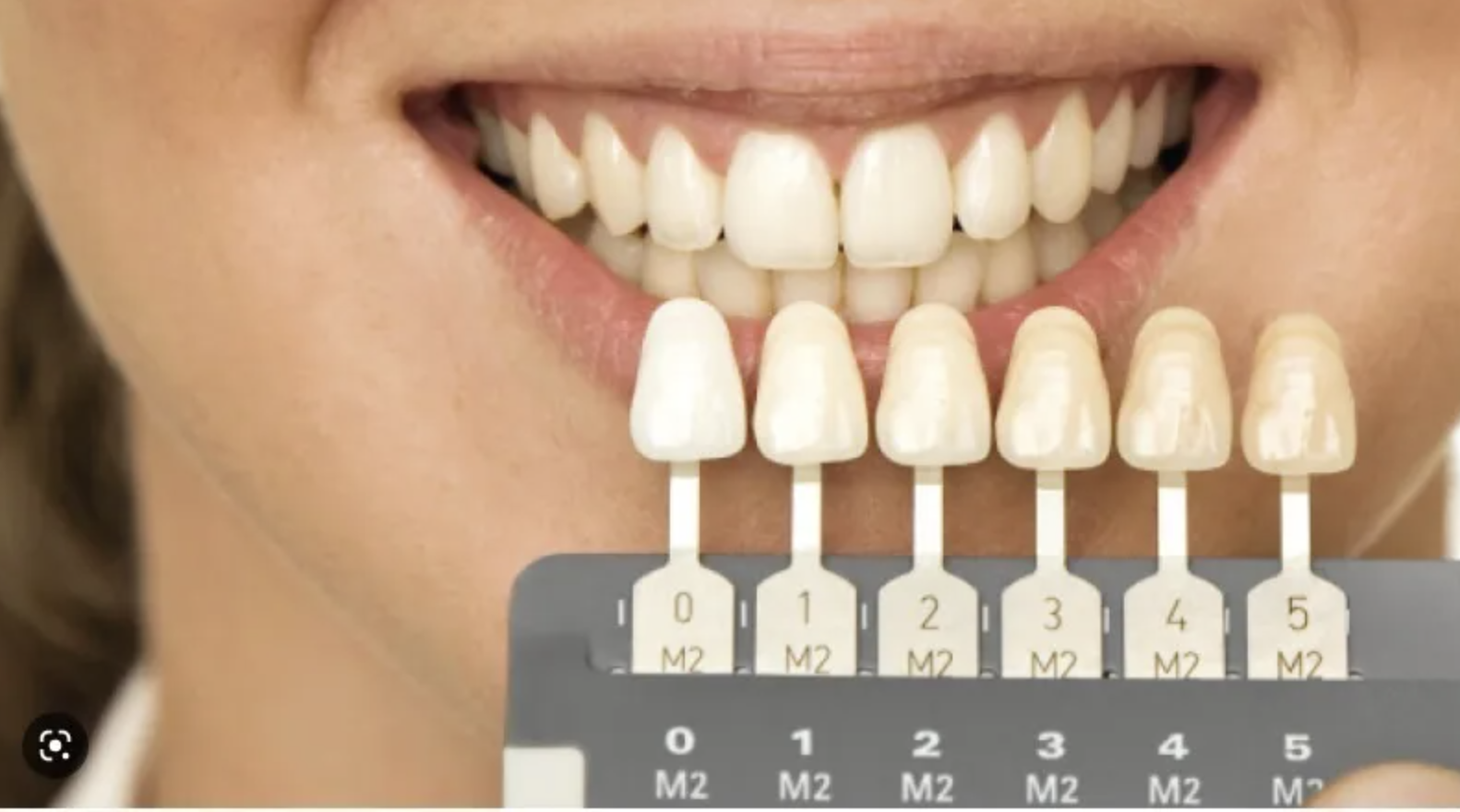
Three weeks after surgery, we carried out Philips Zoom tooth whitening.
At SMITA, when an aesthetic rehabilitation includes both whitening and restorations, we prefer to establish the final shade of the natural teeth first and complete the restorations afterwards.
Our Philips Zoom protocol includes initial assessment and professional cleaning, gingival protection, application of the whitening gel and in-clinic treatment, complemented with personalised home whitening trays when indicated.
We then allowed the colour to stabilise before moving to the restorative phase.
This allowed the composite to integrate with the new natural shade of the smile.
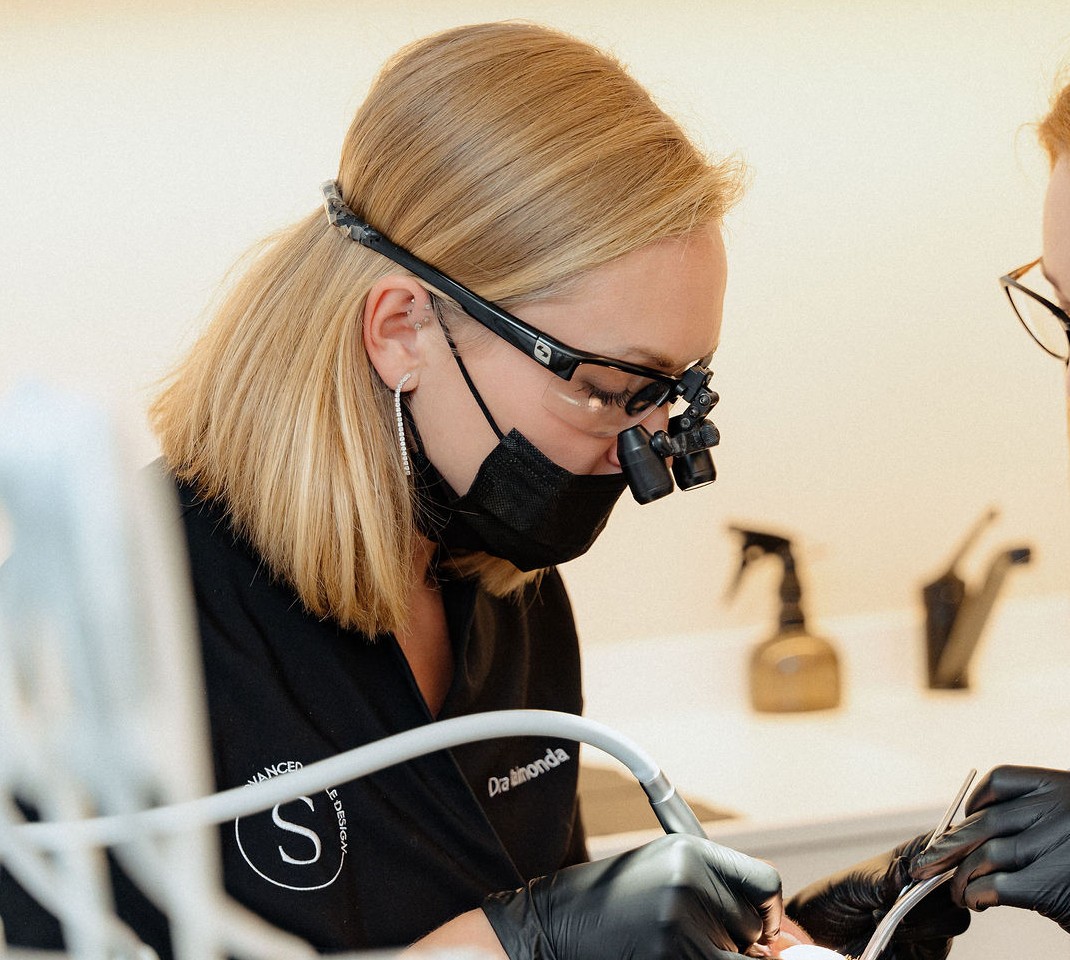
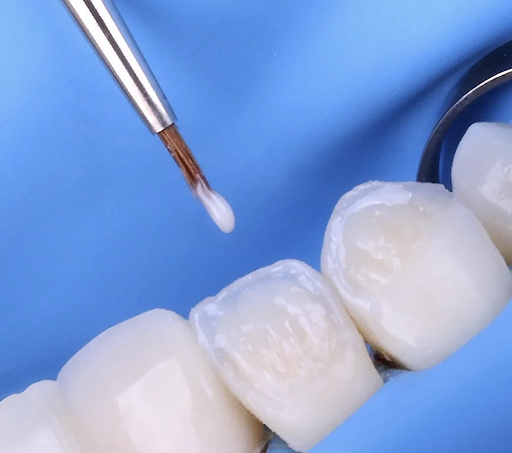
High-end composite without shaving the teeth
Two weeks after whitening, we completed the final phase.
We worked on the 6 upper anterior teeth, from canine to canine, using high-end composite.
In this case, no mechanical tooth preparation or shaving was performed.
The treatment was entirely additive.
We lengthened the incisal edges
Recontoured the shapes
Added volume only where necessary
Improved the proportions
Created a more balanced incisal line
Used the new dental anatomy to visually reduce the apparent midline deviation and compensate for part of the asymmetry
Composite restorations allow the material to be sculpted layer by layer directly onto the tooth, creating individualised form, texture and proportions. SMITA’s aesthetic rehabilitation protocol follows this minimally invasive approach, completed with bite assessment, finishing and professional polishing.
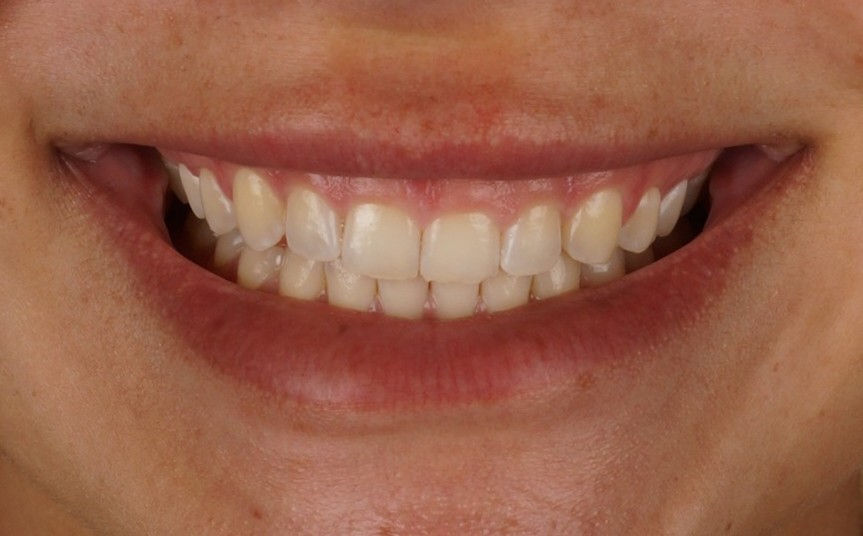
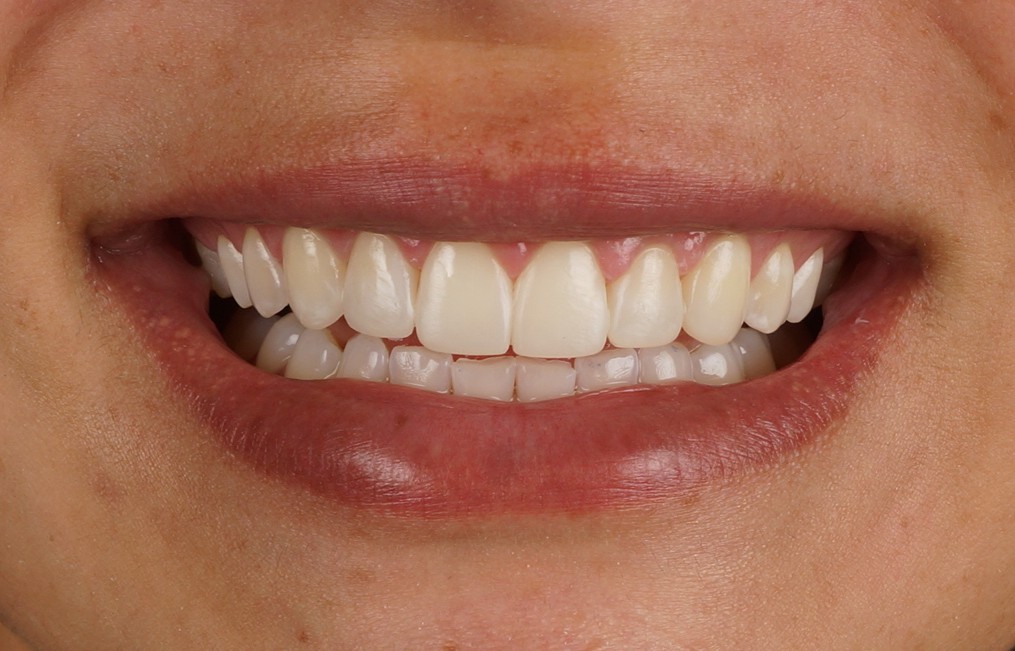
Did we correct the maxillary cant?
Not structurally.
And this distinction is fundamental.
The treatment did not alter the skeletal position of the maxilla.
What we achieved was to significantly reduce how noticeable the asymmetry appeared when the patient smiled.
Gingival levels, incisor length, the curve of the incisal edges and the visual position of the midline strongly influence the way our eye interprets a smile.
In a carefully selected case, small and highly precise modifications can produce a substantial aesthetic improvement without attempting to surgically correct the entire facial structure.
That was exactly our objective here.
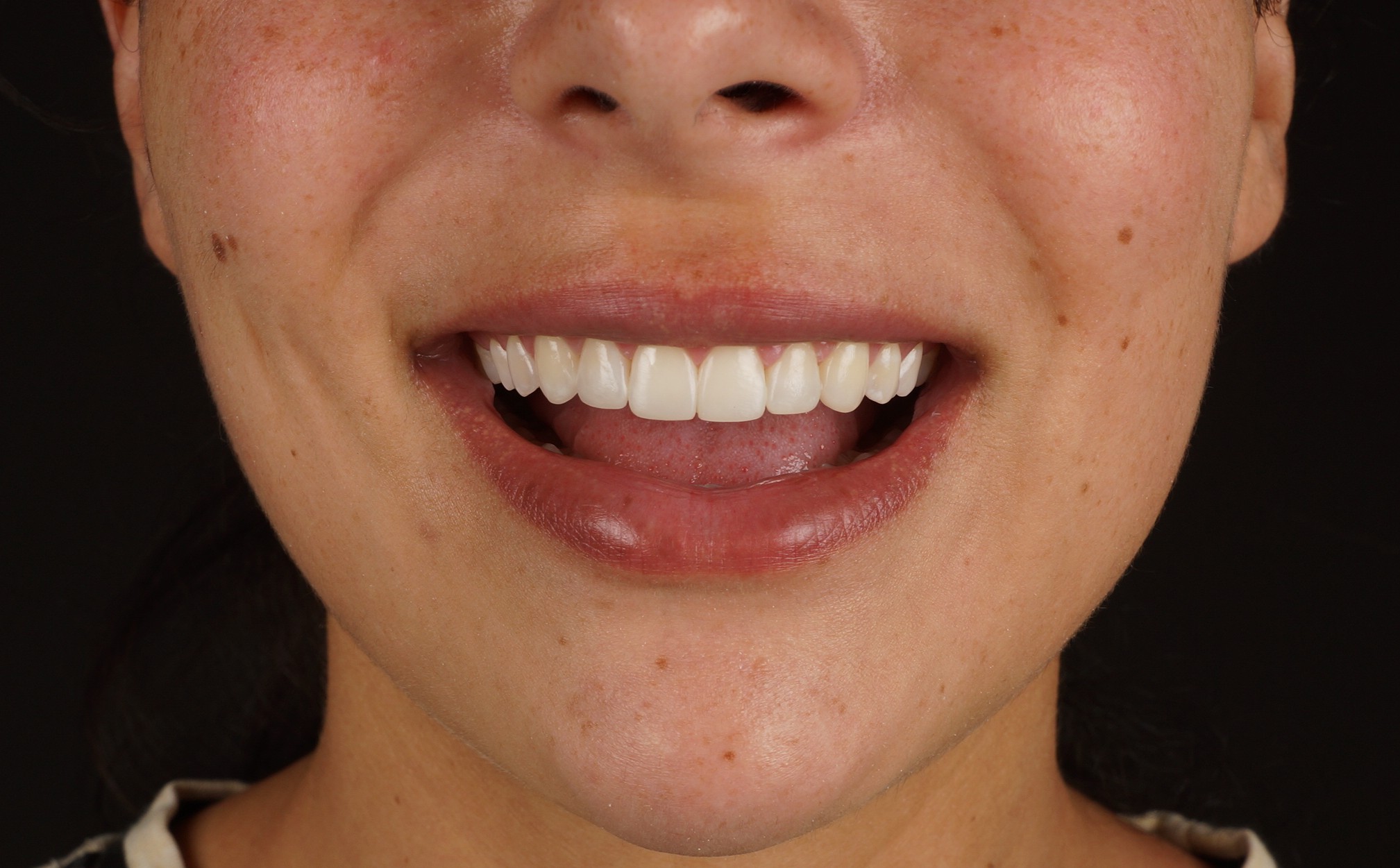
Final result: maximum aesthetics while preserving natural tissues
The final result came from combining three levels:
Gums → colour → dental form
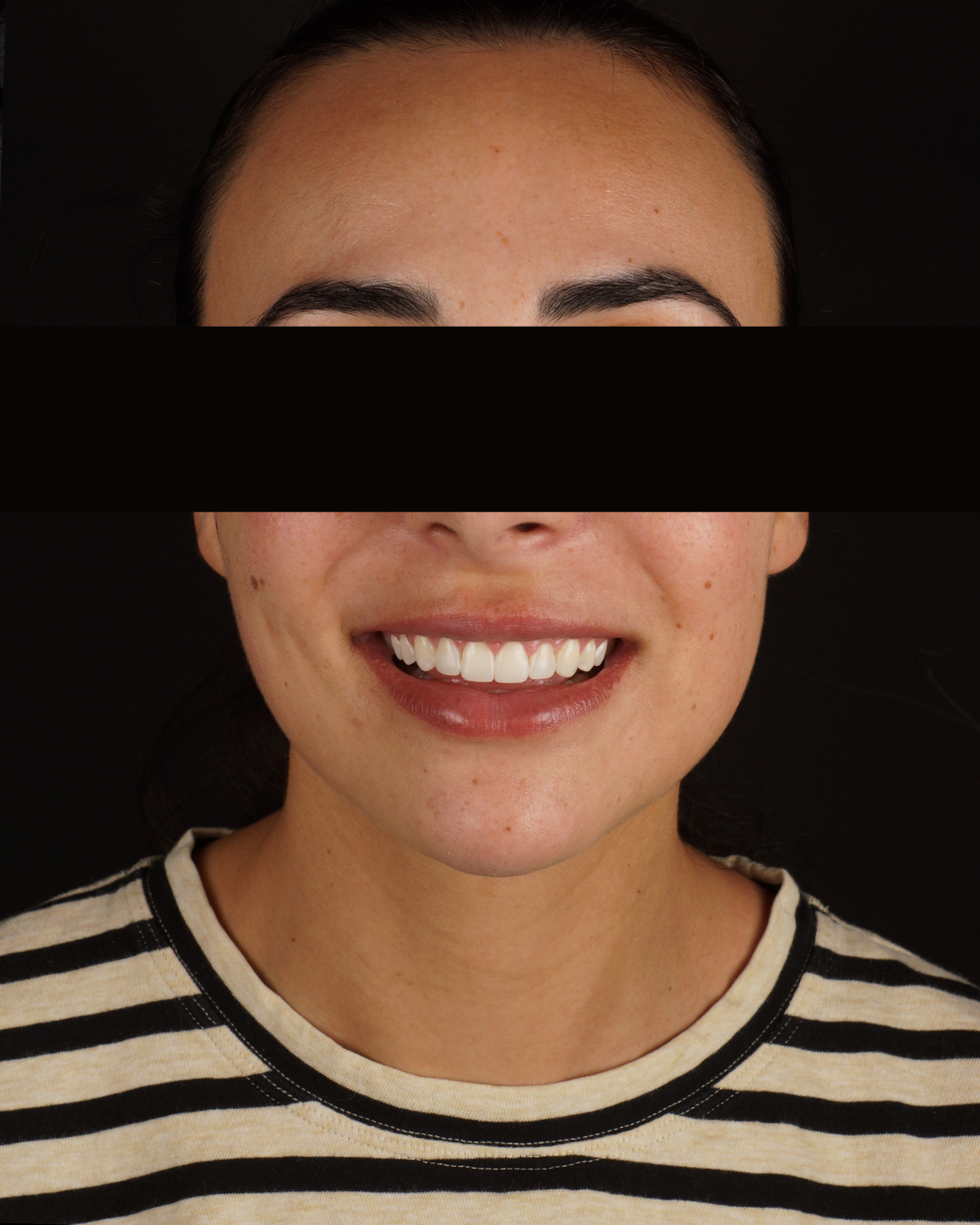
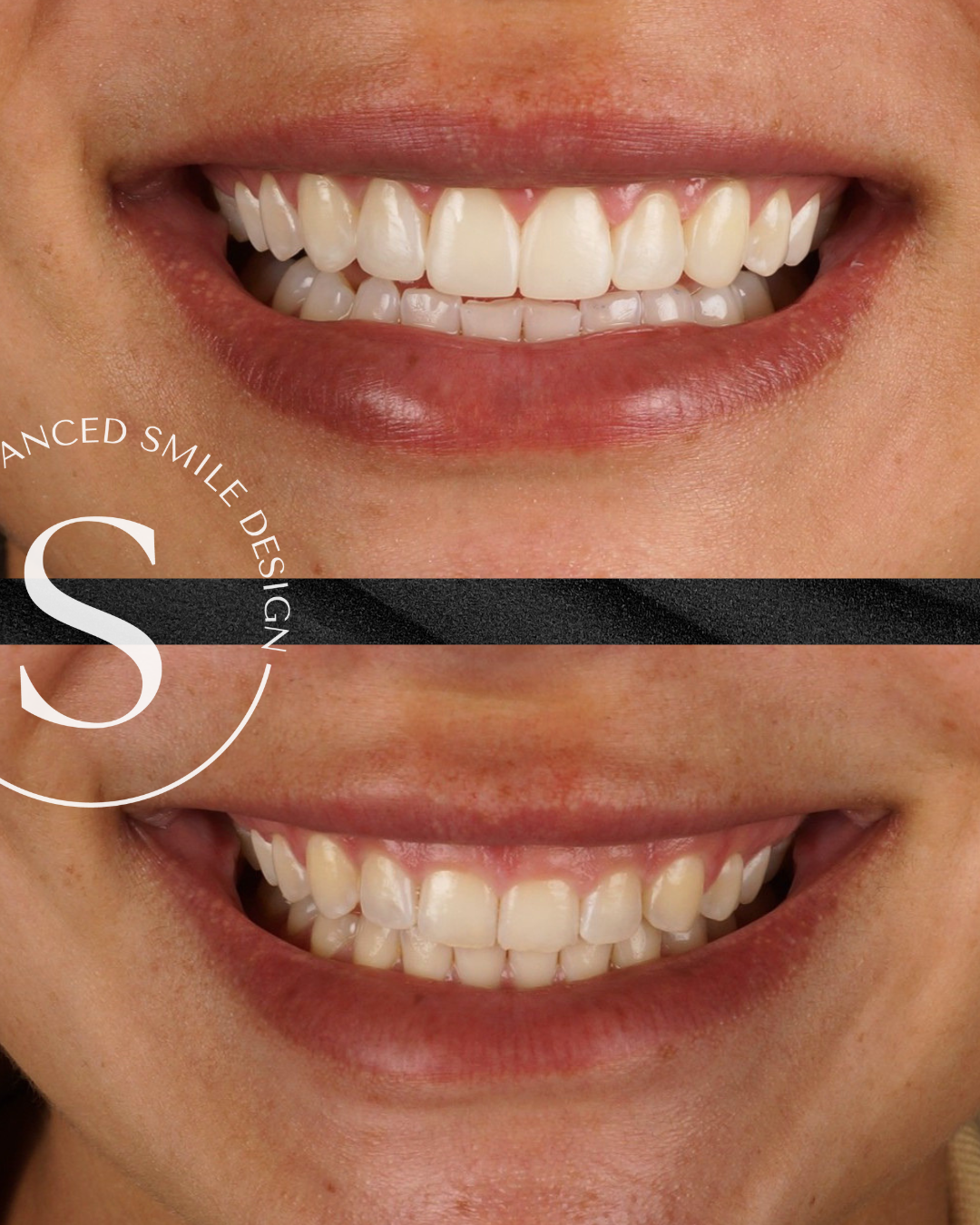
Gingival display was reduced.
The gingival margins appeared considerably more balanced.
The teeth looked longer and better proportioned.
The incisors gained greater visual presence.
The midline deviation became much less noticeable.
The smile appeared straighter and more harmonious.
The colour became brighter.
And the natural teeth were preserved without shaving.
The patient’s facial anatomy remains her own.
We did not attempt to transform a naturally asymmetrical smile into mathematically perfect symmetry.
We achieved something far more important:
a smile that looks balanced, natural and coherent with her face.


Maintenance: protecting the result long term
The patient is delighted with the result.
To preserve both periodontal health and the aesthetics of the restorations, we recommended:
Professional hygiene every 6 months
Annual maintenance and polishing of the composite restorations
Whitening maintenance as required
Composite also has an important advantage within our conservative philosophy: it can be maintained, polished, adjusted and repaired over time without automatically replacing the entire restoration.
The most important lesson from this case
This case demonstrates something we consider fundamental at SMITA:
the complexity of the diagnosis does not necessarily have to translate into aggressive treatment.
When a smile presents maxillary asymmetry, excessive gingival display, apparent midline deviation and small-looking teeth, it may be tempting to try to solve everything with extensive restorations.
We chose a different approach.
Diagnose first.
Work collaboratively between periodontics, surgery and aesthetic dentistry.
Preserve healthy tissues.
Modify the gingiva with precision.
Improve the natural colour.
And add composite only where it was needed.
Maximum aesthetics. Minimal intervention.
Frequently Asked Questions
Can a smile with a maxillary cant be improved without orthognathic surgery?
It depends on the origin and severity of the asymmetry. In selected cases, we cannot structurally correct the maxilla, but we can significantly improve how the asymmetry is perceived through precise gingival and dental planning.
What is aesthetic mucoplasty?
It is the precise reshaping of gingival tissues to improve their contours, levels and relationship with the teeth. It may form part of a minimally invasive aesthetic periodontal procedure.
Why is complete periodontal charting important?
Before changing gingival margins, we need to understand the periodontal condition and confirm that the tissues are healthy and properly diagnosed.
Why were intraoral radiographs and CBCT used?
They complement the clinical examination and allow us to assess dental, periodontal and bone anatomy before planning precise gingival surgery.
Were the teeth shaved for the composite restorations?
No. In this case, the restorations were additive and no mechanical tooth reduction was performed.
Why was whitening completed before the composite restorations?
Because we first wanted to establish the new shade of the natural teeth and then adapt the composite restorations to that colour.
What maintenance does this type of treatment require?
We recommend regular professional hygiene, annual composite maintenance and polishing, and whitening maintenance according to individual needs.
More cases here:
Book your consultation: