
For decades, much of dentistry has worked in a reactive way.
A cavity appeared and it was restored.
A tooth fractured and it was rebuilt.
Periodontal disease developed and it was treated.
Teeth became worn and we tried to restore what had been lost.
Oral Longevity proposes a different approach.
The goal is not only to solve problems once they appear, but to keep the teeth, gums, bone, function and aesthetics in the best possible condition throughout life.
For us, it can be summarised very simply:
prevent more, detect earlier, understand the causes and treat less.
We do not want to wait until healthy tissue becomes diseased.
And we do not want to understand the mouth as a system separate from the rest of the body.

The mouth is part of the body
Periodontal health is one of the clearest examples.
Periodontitis is a chronic inflammatory disease that affects the tissues supporting the teeth. It is associated with several systemic conditions, with particularly strong evidence around diabetes and cardiovascular disease.
This is why gums that bleed regularly should not be considered a minor inconvenience.
Periodontal inflammation forms part of a much broader biological context.
One of the most studied microorganisms is Porphyromonas gingivalis, a bacterium associated with periodontitis.
This bacterium and some of its virulence factors have been investigated outside the oral cavity, including in relation to neurodegenerative diseases such as Alzheimer’s disease.
This does not mean that we can say P. gingivalis causes Alzheimer’s disease.
Alzheimer’s is multifactorial, and causality is still being investigated.
But it does demonstrate something important:
periodontal health matters far beyond simply keeping our teeth.

Oral Longevity starts before disease appears
From a longevity perspective, we do not want to wait for pain or significant tissue destruction.
We want to detect changes while they are still small.
Early caries lesions
Gingival inflammation
Recession
Initial bone loss
Tooth wear
Cracks
Changes in the bite
Changes in tooth position
Signs of bruxism
Changes in function or breathing
The goal is to intervene while we still have the opportunity to prevent, stabilise, monitor or modify risk factors before more complex treatment becomes necessary.

Look for the cause, not only repair the damage
One of the central questions in Oral Longevity is:
Why is this happening?
If a patient presents with worn teeth, we do not simply want to rebuild them.
We want to assess whether there is bruxism, erosion, excessive contacts, a functional imbalance or habits that are maintaining the problem.
If we find periodontal disease, we do not want to limit treatment to removing calculus.
We need to consider hygiene, the microbiome, smoking, metabolic health and other risk factors.
Because repairing damage without understanding why it developed may mean repeating the same problem years later.
Oral Longevity and the pillars of general longevity
Oral health is deeply connected to the patient’s overall health.
That is why we consider the same pillars that are used when we talk about longevity in general:
Nutrition
Movement and physical activity
Sleep
Metabolic health
Stress
Breathing
Daily habits
Nutrition influences caries risk, the oral microbiome and periodontal tissues.
Sleep, stress and other factors may be related to bruxism and behavioural patterns.
Metabolic health is especially relevant in inflammatory diseases such as periodontitis.
This does not mean that eating well or sleeping well replaces dental treatment.
It means that a healthy mouth is part of a healthy body.
Nasal breathing matters too
The nose is the physiological route for breathing.
Air inhaled through the nose is filtered, humidified and conditioned before reaching the lungs.
When a child habitually breathes through the mouth for years during growth, changes may occur in tongue posture, facial musculature and dentofacial development.
Persistent mouth breathing is associated with certain growth patterns, narrower maxillary arches and a higher prevalence of some malocclusions.
This does not mean that every malocclusion has a single cause.
But it does mean that, especially during childhood, we should not look only at whether the teeth are straight.
We should also ask:
How does this child breathe? Is the airway adequate? How is the maxilla developing? Where is the tongue positioned?

Function, chewing and jaw development
Our modern diet is generally much softer and more processed than that of previous generations.
We need much less effort to cut and chew a large proportion of the foods we eat.
Masticatory function contributes to the development of muscles, bone and maxillofacial structures.
Genetics still plays a fundamental role, and we cannot say that a soft diet is the only cause of crowding or narrow jaws.
But the functional environment during growth matters.
This is why Oral Longevity starts in childhood.
Breastfeeding when possible and appropriate, progression towards age-appropriate food textures, chewing, nasal breathing and monitoring maxillofacial growth all form part of a preventive approach.
Preserving what is healthy is our priority
If a tooth is healthy, we want to keep it.
If the enamel is intact, we want to preserve it.
If the gums and bone are healthy, we want to keep them that way.
When the first signs of wear, inflammation or disease appear, our first tool should be prevention.
Education
Oral hygiene
Plaque control
Monitoring
Habit modification
Bruxism management
Orthodontics when indicated
Early periodontal treatment
Only when there is damage that genuinely needs reconstruction do we move towards restorative treatment.
Restore what has been lost, not replace what is healthy
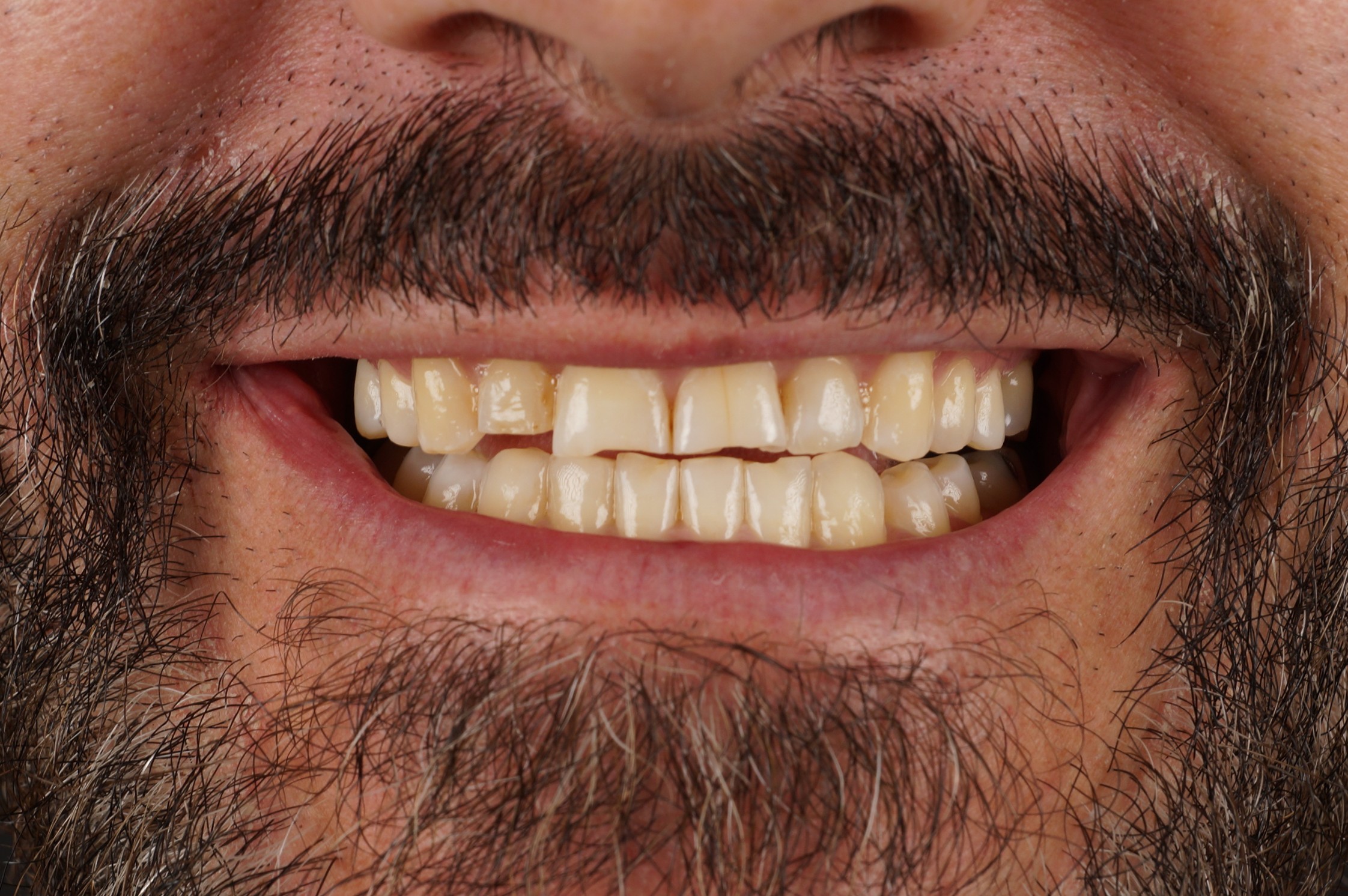
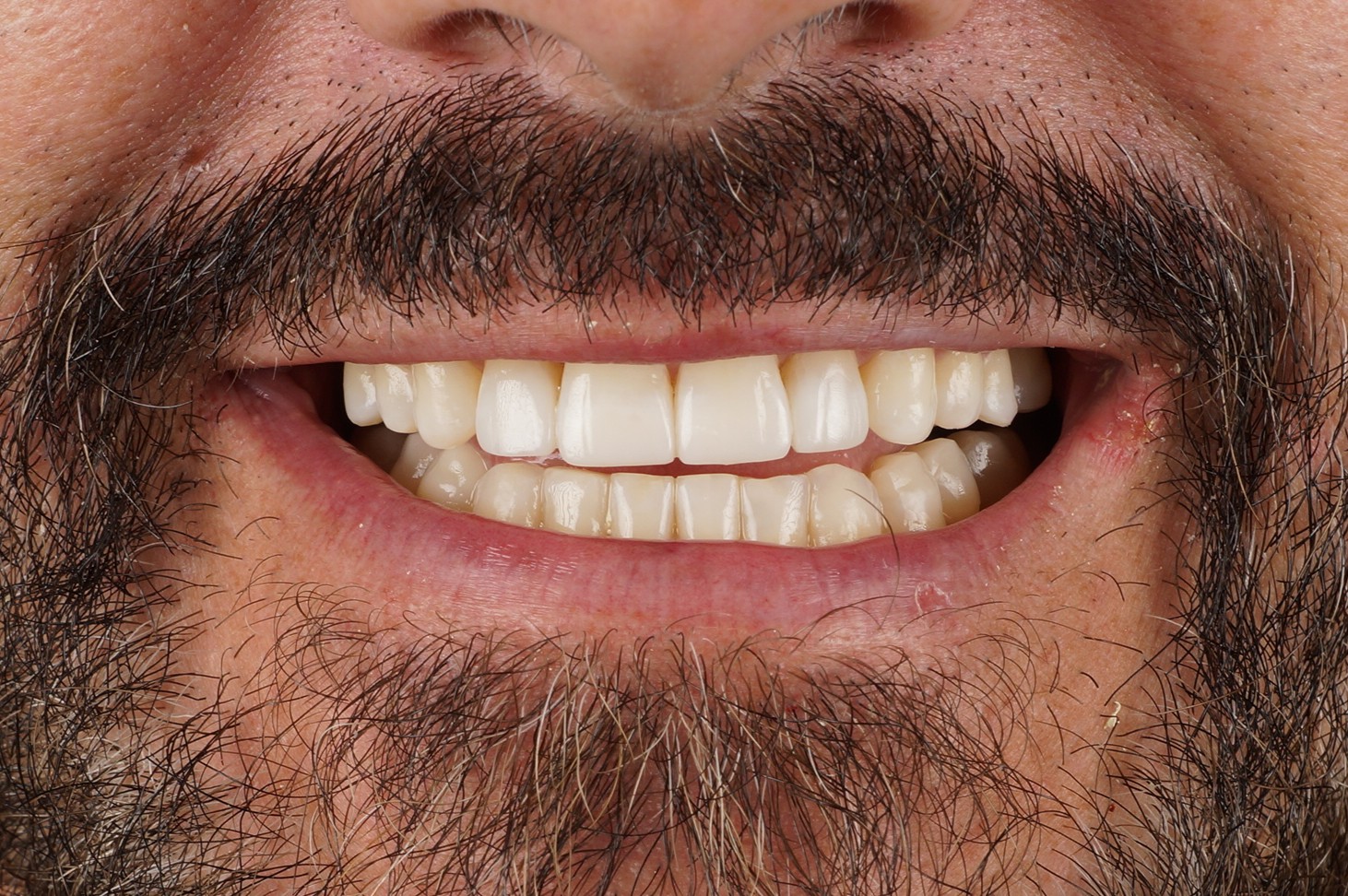
When tissue has already been damaged, our goal is to recover what has been lost.
If a tooth edge has worn down, we rebuild it.
If periodontal tissue has been lost, we assess how to stabilise or regenerate it when indicated.
If bone has been lost, we evaluate the appropriate therapeutic options.
If tooth position is contributing to an aesthetic or functional problem, we consider orthodontics before removing healthy enamel to camouflage it.
This principle summarises a large part of our philosophy:
restore what has been lost without unnecessarily sacrificing what remains healthy.

Oral Longevity and aesthetics: nature as our reference
For SMITA, health and aesthetics are two inseparable priorities.
But our aesthetic reference is always nature.
Natural teeth are not completely white, uniform or identical.
They have translucency.
Texture.
Depth.
Subtle variations in colour.
An individual relationship with the lips and gums.
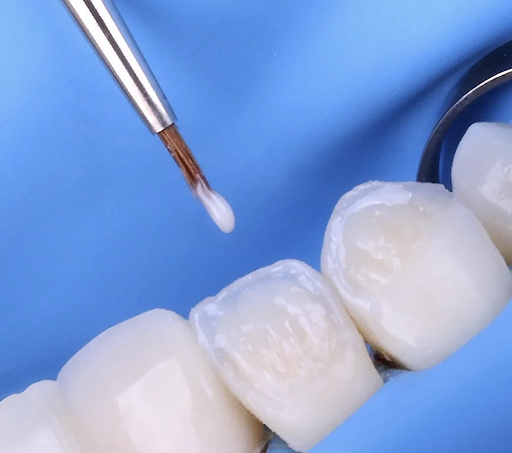
When we improve a smile, we aim to imitate what nature has already created, not impose an artificial smile.
Natural shapes.
Natural shades.
Natural volumes.
Healthy, harmonious gums.
And, above all, preservation of healthy tissues.
Aesthetics can also be conservative
Not every aesthetic problem needs veneers.
Sometimes the main issue is tooth position.
A rotated tooth may appear too wide.
A tilted incisor may look too short.
Crowding can disrupt the harmony of the whole smile.
In these situations, we often prefer orthodontics before aggressive restorative treatment.
Moving a healthy tooth into a more favourable position may allow us either not to restore it at all or to carry out a much smaller intervention afterwards.
The same applies to bruxism.
If we find worn, fractured or shortened teeth, we first need to understand what forces brought them to that point.
Minimally invasive treatment when it is genuinely needed
Oral Longevity does not mean avoiding treatment.
It means treating when there is a real indication and doing so with the lowest possible biological cost.
Preserve enamel
Preserve dentine
Maintain pulp vitality whenever possible
Protect periodontal tissues
Use adhesive techniques when indicated
Add rather than remove when the case allows
Repair rather than replace when clinically reasonable
At SMITA, we avoid removing healthy tooth structure whenever possible and, when preparation is genuinely necessary, we keep it to the minimum required to achieve a safe and predictable result.
The goal: needing less dentistry throughout life
This is probably the simplest way to summarise Oral Longevity.
Whenever possible, we want to avoid entering too early into a cycle of increasingly extensive treatment.
Restoration
Larger restoration
Crown
Root canal treatment
New crown
Extraction
Implant
There are situations in which this progression cannot be avoided.
But very often we can delay it significantly through prevention, early diagnosis and conservative decision-making.
Every millimetre of enamel we preserve today may matter 20 or 30 years from now.
Every periodontal disease process detected early may mean less bone loss in the future.
Every sign of bruxism identified in time may help us protect teeth before major damage occurs.
That is what it means to think in terms of longevity.

What does Oral Longevity mean for SMITA?
It means looking beyond the problem we see today.
How can we keep these teeth healthy for decades?
Why are they wearing down?
Are the gums truly healthy?
Is the patient breathing properly?
Is there an underlying cause we have not yet addressed?
Do we really need a restoration?
Can we move the tooth instead of shaving it?
Can we repair instead of replace?
Can we make the smile more beautiful without making it less natural?
Oral Longevity represents a change in direction:
From repairing to preventing.
From reacting to anticipating.
From treating only teeth to understanding the whole patient.
From replacing to preserving.
From hiding symptoms to looking for causes.
From pursuing artificial perfection to enhancing natural beauty.
And above all:
from doing more dentistry to helping our patients need less dentistry throughout their lifetime.
Preserve what is healthy.
Detect change early.
Understand why it is happening.
Restore only what has been lost.
And, when intervention is truly necessary, do it in the most conservative way possible.
That is Oral Longevity at SMITA.
Frequently Asked Questions
What does Oral Longevity mean?
It is an approach to dentistry focused on preserving teeth, gums, bone, function and aesthetics throughout life through prevention, early diagnosis, understanding root causes and minimally invasive treatment when necessary.
Is Oral Longevity simply preventive dentistry?
Prevention is one of its pillars, but the concept is broader. It also includes periodontal health, function, breathing, maxillofacial development, the oral microbiome, lifestyle, natural aesthetics and tissue preservation.
Can periodontal disease be related to systemic diseases?
Yes. Periodontitis is associated with several systemic conditions, particularly diabetes and cardiovascular disease. There are also ongoing areas of research into its relationship with other inflammatory and neurodegenerative conditions.
Does Porphyromonas gingivalis cause Alzheimer’s disease?
We cannot say that. This periodontal bacterium and some of its virulence factors have been investigated in relation to Alzheimer’s disease, but a causal relationship has not been established.
Why is nasal breathing important?
Because it is the physiological route for breathing. Persistent mouth breathing during growth can be associated with changes in oral function and dentofacial development.
What do nutrition, sleep and movement have to do with Oral Longevity?
They form part of the patient’s wider health context and may influence metabolism, inflammation, the microbiome, bruxism, periodontal disease and the ability to maintain healthy tissues.
Does Oral Longevity also include aesthetic dentistry?
Yes. At SMITA, we aim for natural and conservative aesthetics, preserving healthy tissues and restoring only what genuinely needs to be improved or rebuilt.
Why can orthodontics be more conservative than veneers?
Because when the main problem is tooth position, moving the tooth can avoid or significantly reduce the amount of restorative tooth preparation required afterwards.
More about the SMITA team:
Book your appointment at SMITA: