Worn teeth are not only an aesthetic concern.
When the edges become shorter, irregular or lose their original shape, the bite, chewing function and the way the teeth absorb forces can also change.
In some patients, wear progresses slowly over many years. In others, it may develop more quickly due to a combination of bruxism, acids, habits, tooth position or bite problems.
For this reason, before rebuilding worn teeth, we need to understand why they have worn down.
At SMITA Advanced Smile Design in Barcelona, we assess tooth wear from both an aesthetic and functional perspective. We do not simply aim to lengthen the teeth or improve their appearance. We study the cause, the bite, the proportions, the remaining tooth structure and the relationship between the smile and the face.
The goal is to restore a natural smile while creating a result that is functional, conservative and stable.
What Does It Mean to Have Worn Teeth?
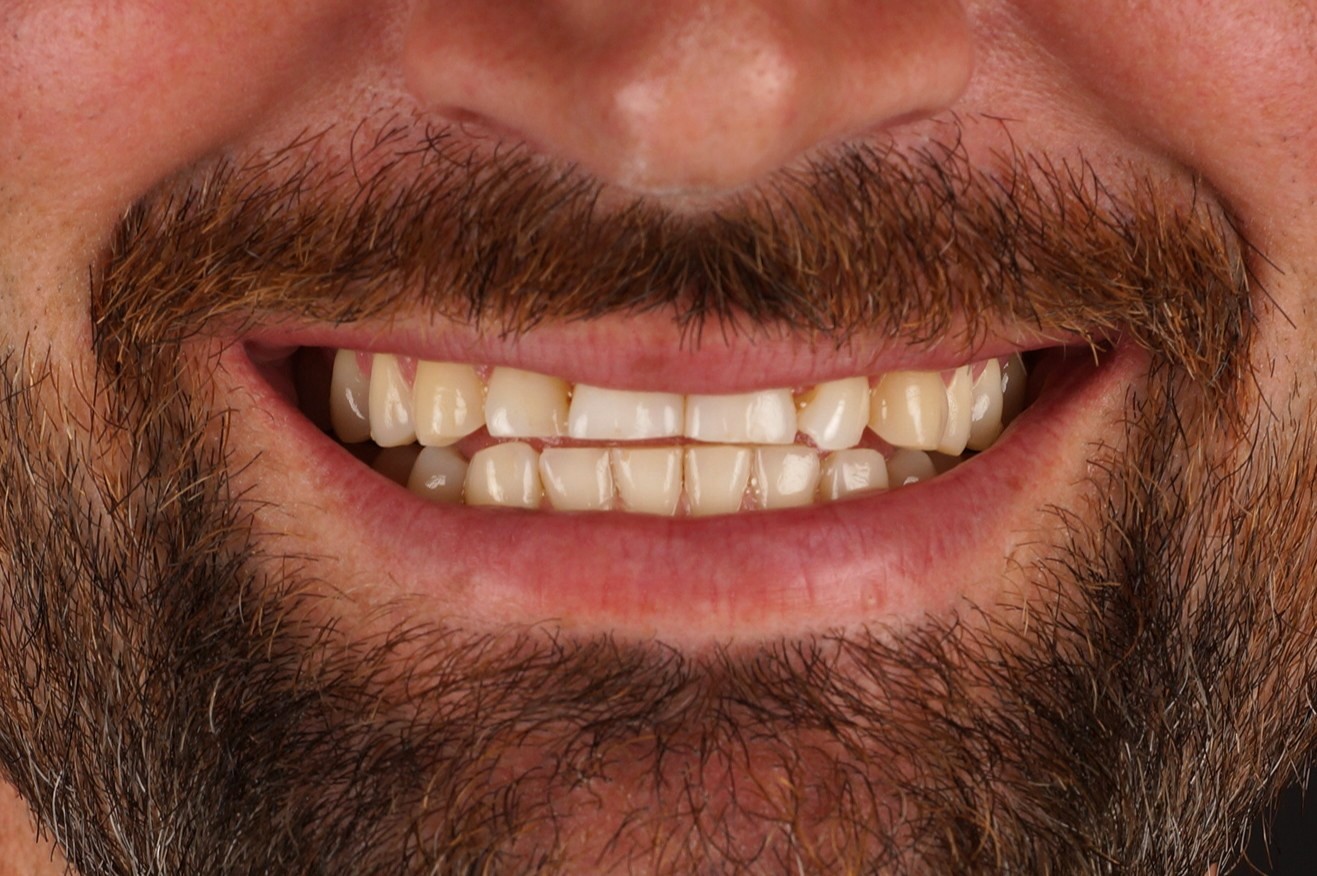
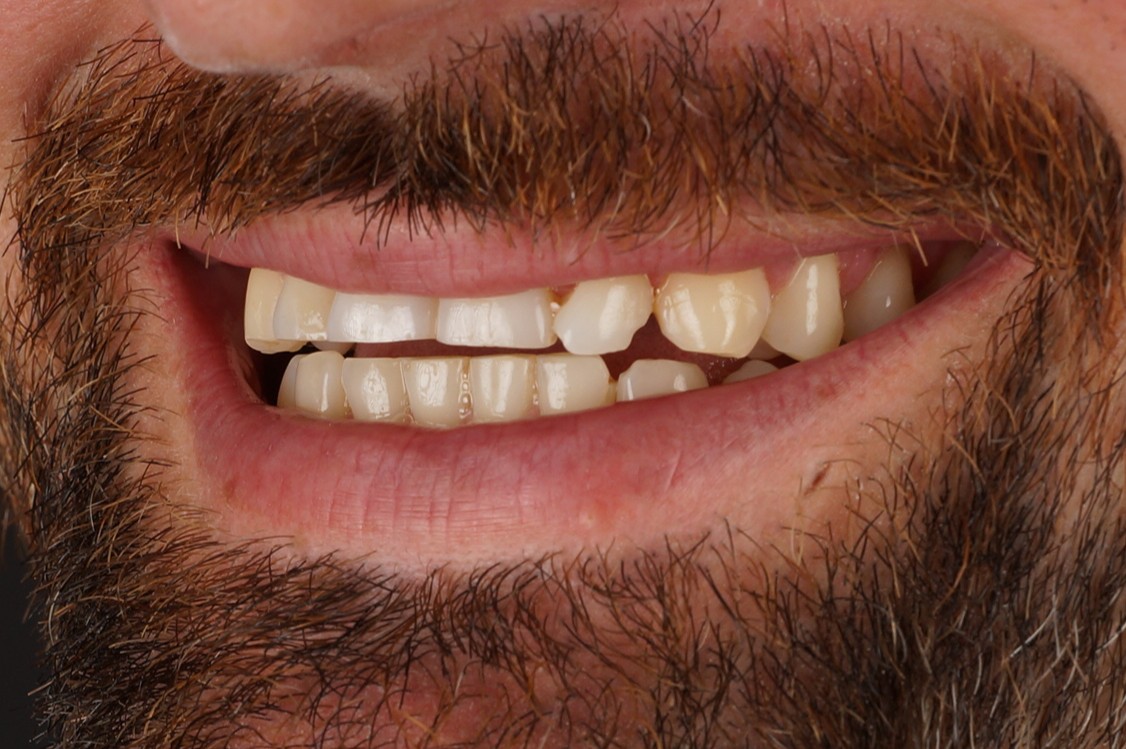
Tooth wear is the progressive loss of enamel and, in more advanced cases, dentine.
It may affect one tooth, several teeth or the entire dentition.
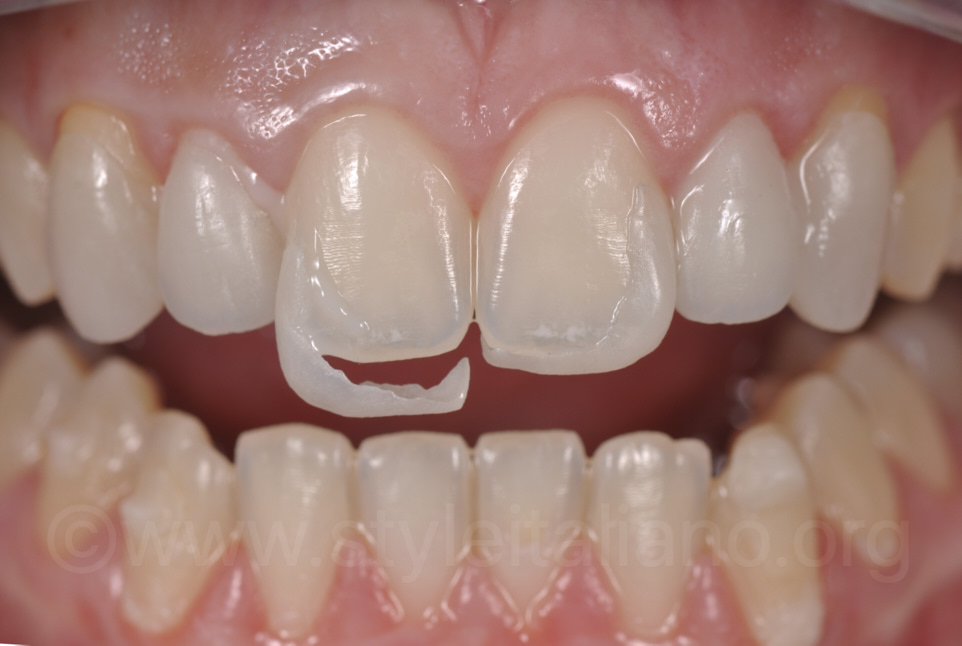
In the front teeth, it may appear as:
Shorter or flatter edges.
Small fractures.
Loss of natural tooth shape.
Teeth that appear wider.
Differences in tooth length.
Increased translucency or colour changes.
In the back teeth, it may appear as:
Flattened chewing surfaces.
Loss of cusps.
Small depressions or concavities.
Worn or fractured fillings.
Reduced tooth height.
Tooth wear can progressively alter tooth anatomy and affect both aesthetics and function.
Is It Normal for Teeth to Wear Down with Age?
A certain degree of physiological wear can occur over time.
The teeth are used every day for chewing, speaking and carrying out multiple functional movements.
However, not all tooth wear should be considered normal.
When the loss of structure is excessive for the patient’s age, progresses quickly, causes sensitivity, changes the bite or clearly affects the smile, it should be assessed.
It is also advisable to investigate tooth wear when there are:
Visibly shorter teeth.
Repeated fractures.
Sensitivity.
Muscular or jaw discomfort.
Changes in the bite.
Restorations that fracture frequently.
Loss of smile aesthetics.
Early detection allows us to control the causes before more complex treatment becomes necessary.
Why Do Teeth Wear Down?
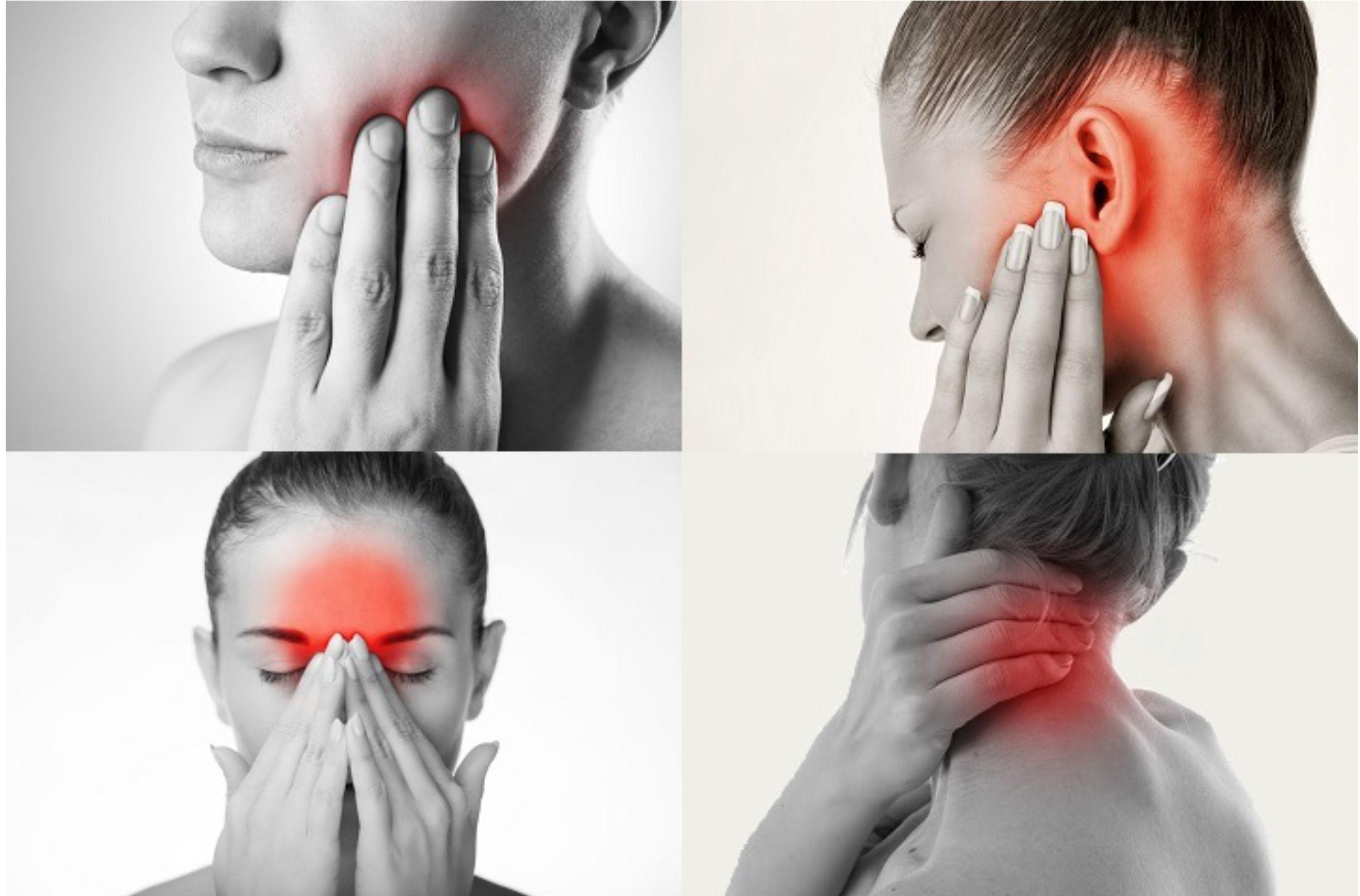
Tooth wear does not always have a single cause.
In many patients, several factors act at the same time.
For example, acids may soften the tooth surface, while bruxism may then accelerate the loss of structure.
For this reason, we should not assume that all worn teeth are caused exclusively by grinding.
The most common causes include:
Bruxism or clenching.
Acid erosion.
Bite problems.
Unfavourable tooth position.
Repetitive habits.
Traumatic brushing in certain areas.
Loss of posterior teeth.
Old or unbalanced restorations.
A combination of several factors.
Bruxism and Tooth Wear
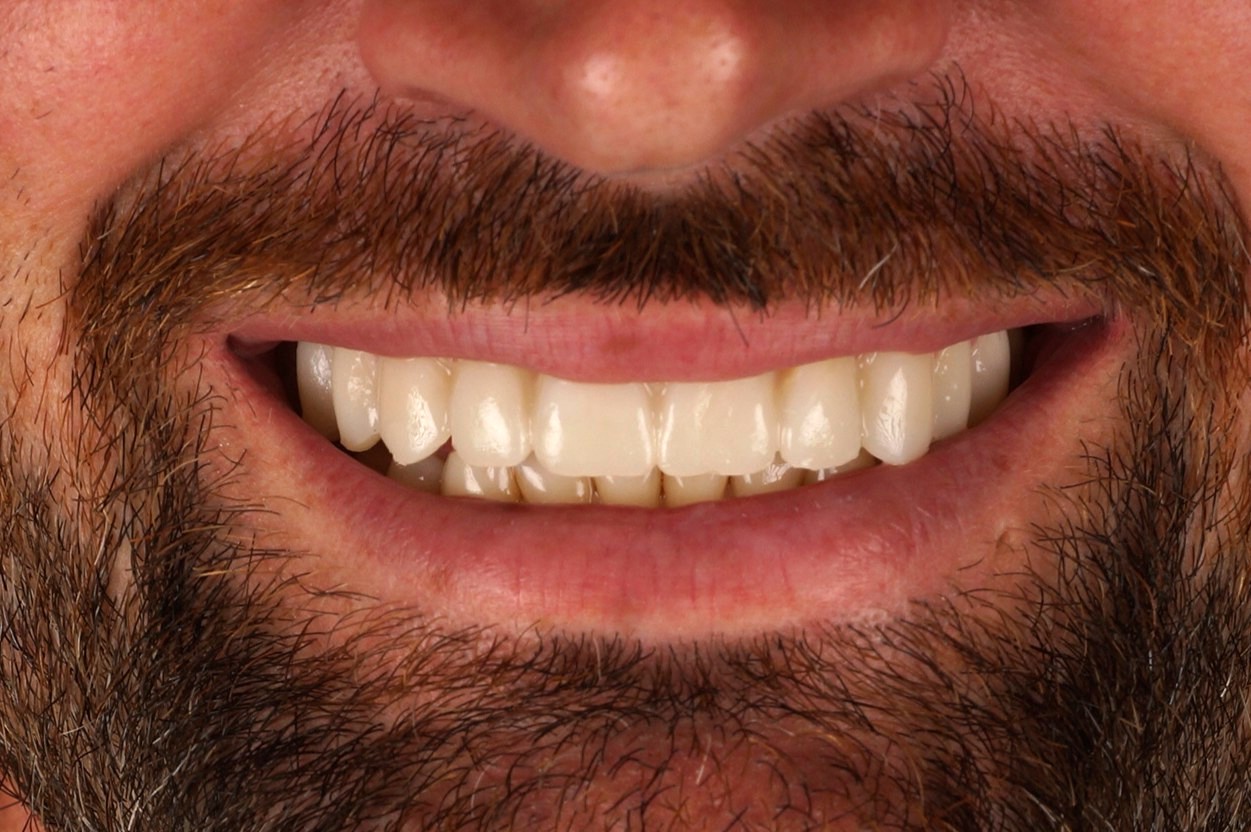
Bruxism is a repetitive activity of the jaw muscles that may involve clenching, grinding or keeping the jaw under tension.
It can occur during sleep or while the person is awake.
Some patients are aware that they clench during the day. Others do not realise they do it until clinical signs appear or someone hears them grinding at night.
Bruxism may be associated with:
Tooth wear.
Fractures.
Muscle pain or fatigue.
Jaw tension.
Discomfort on waking.
Damage to restorations.
However, the presence of worn teeth does not automatically prove that active bruxism is present.
The diagnosis should be based on a complete assessment, taking into account dental signs, symptoms, habits and the progression of the case.
Tooth Wear Caused by Acids
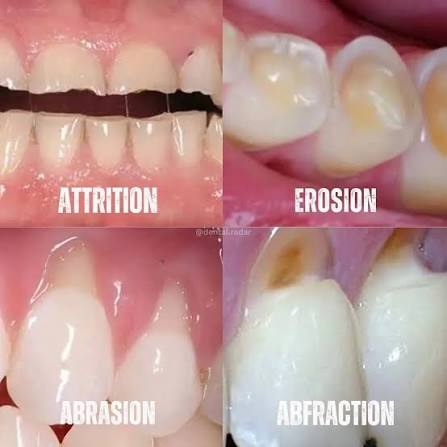
Acids can cause a chemical loss of tooth structure known as erosive tooth wear.
These acids may come from external sources, such as:
Carbonated drinks.
Energy drinks.
Fruit juices or acidic fruits consumed very frequently.
Vinegar and certain dietary habits.
Acidic supplements or products.
They may also come from internal sources:
Gastro-oesophageal reflux.
Frequent vomiting.
Certain digestive conditions.
Acid can soften the enamel and make it more vulnerable to friction and mechanical forces.
For this reason, when we suspect an erosive component, it is not enough to rebuild the teeth. We also need to identify and control the source of acid exposure.
The Bite Can Also Cause Tooth Wear
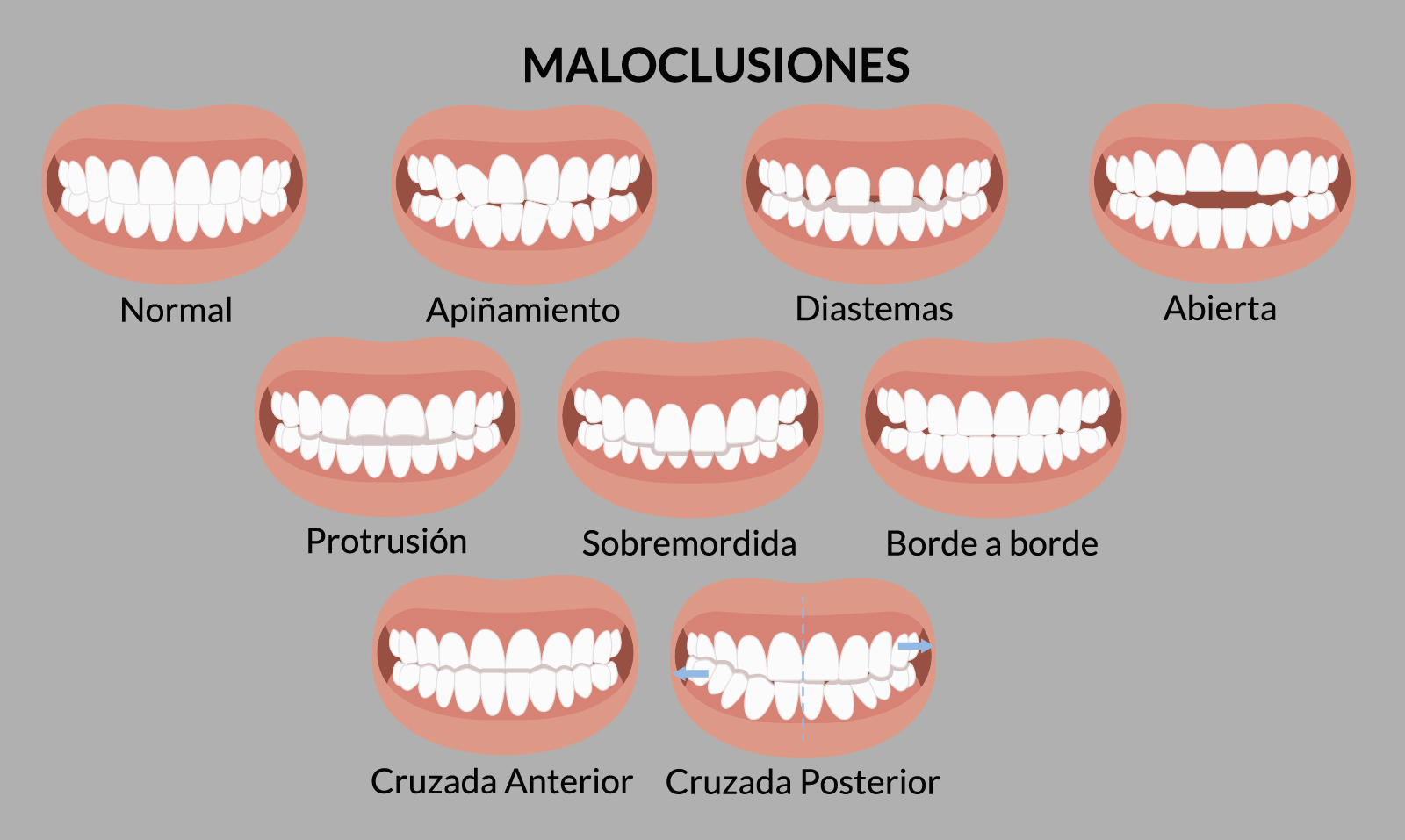
The teeth should contact in a balanced way during closure and jaw movements.
When certain teeth receive excessive pressure or unfavourable contacts, they may wear down more quickly.
This can occur because of:
Tooth malposition.
A deep overbite.
A crossbite.
Missing posterior teeth.
Incorrect inclinations.
Interferences during jaw movements.
Restorations with inadequate anatomy.
In these cases, rebuilding only the worn area without assessing the bite may cause the problem to return.
For this reason, smile design should always include a functional analysis.
How Tooth Wear Affects Smile Aesthetics
The front teeth have a strong influence on facial expression.
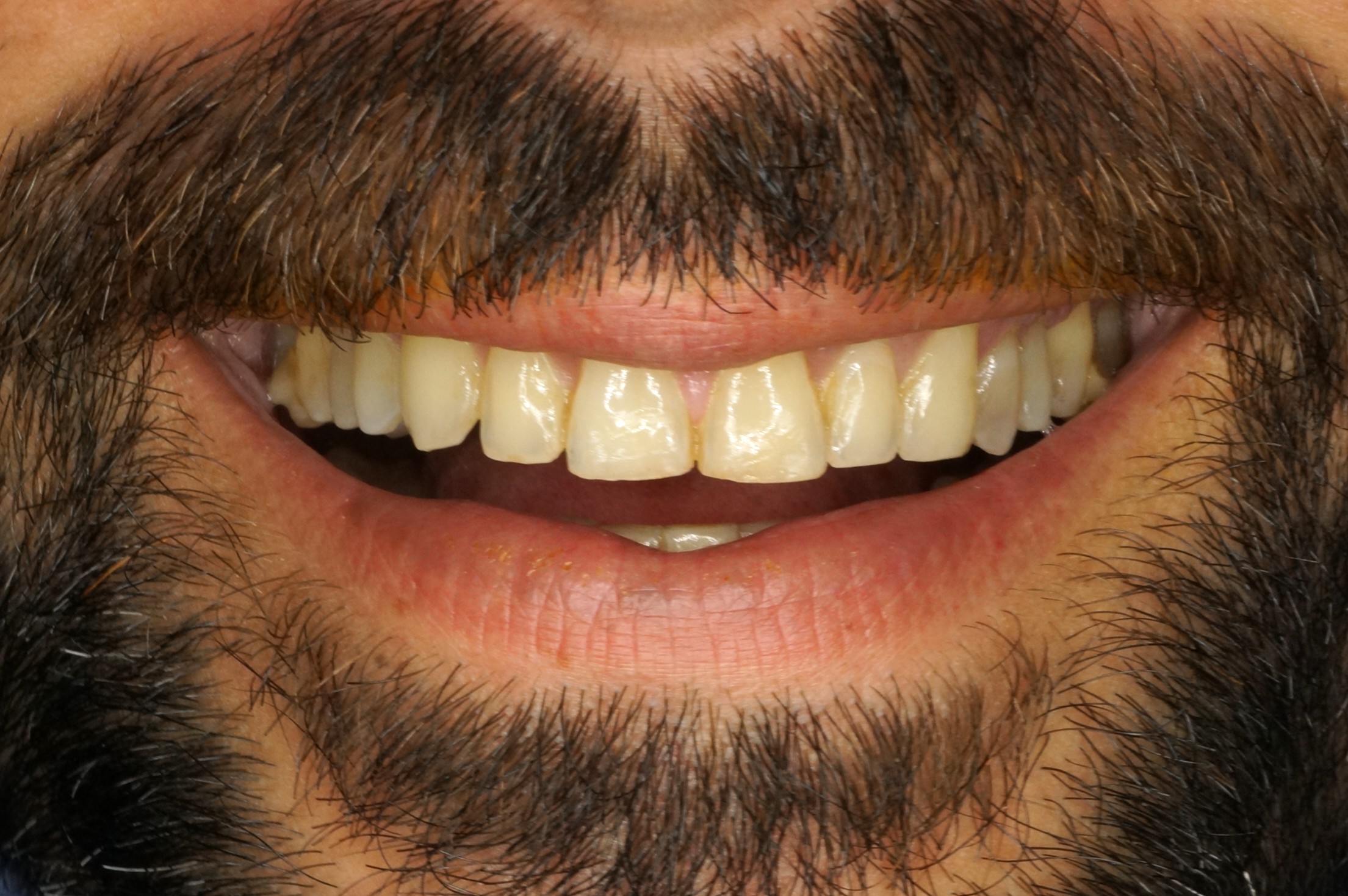
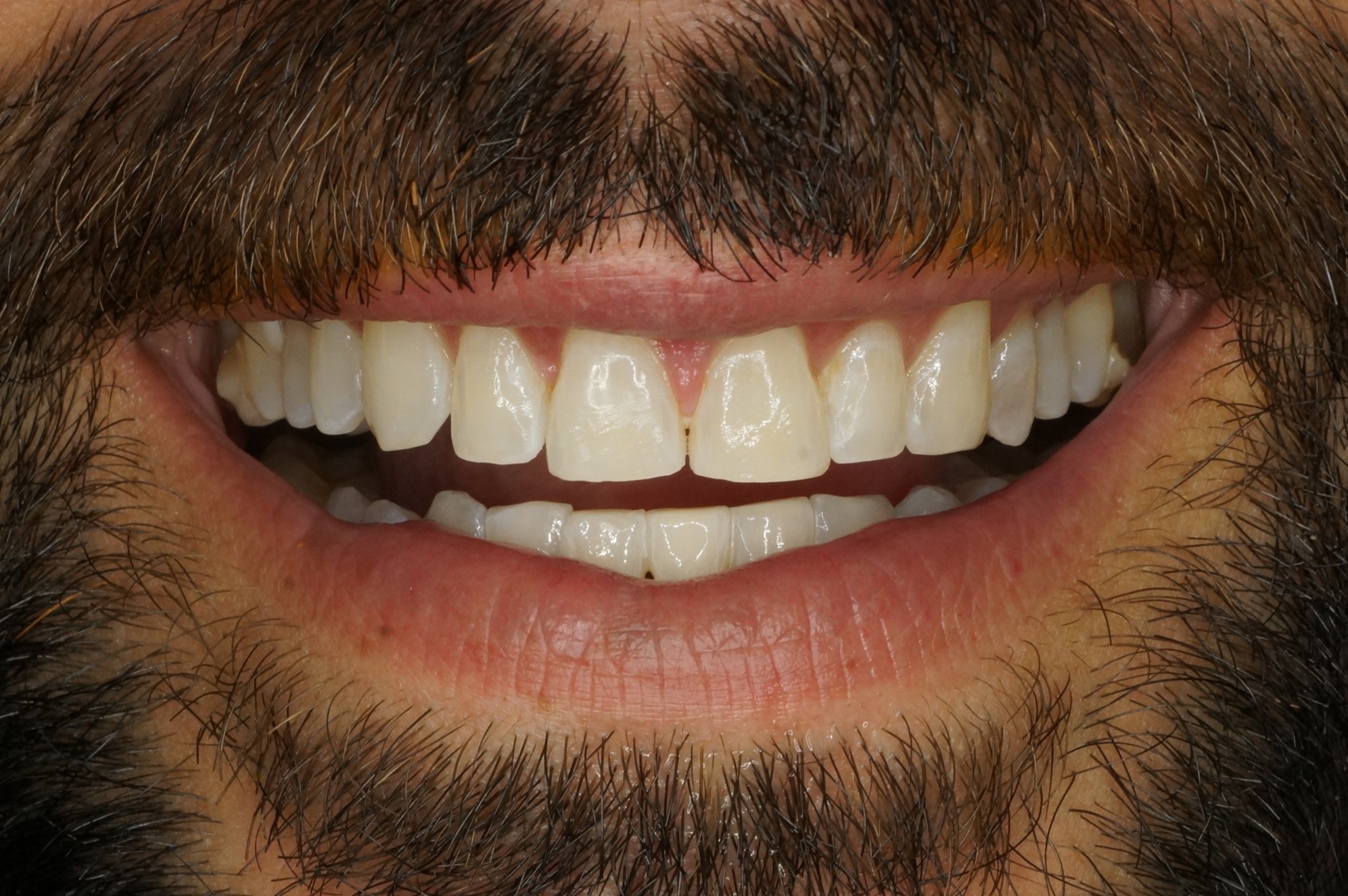
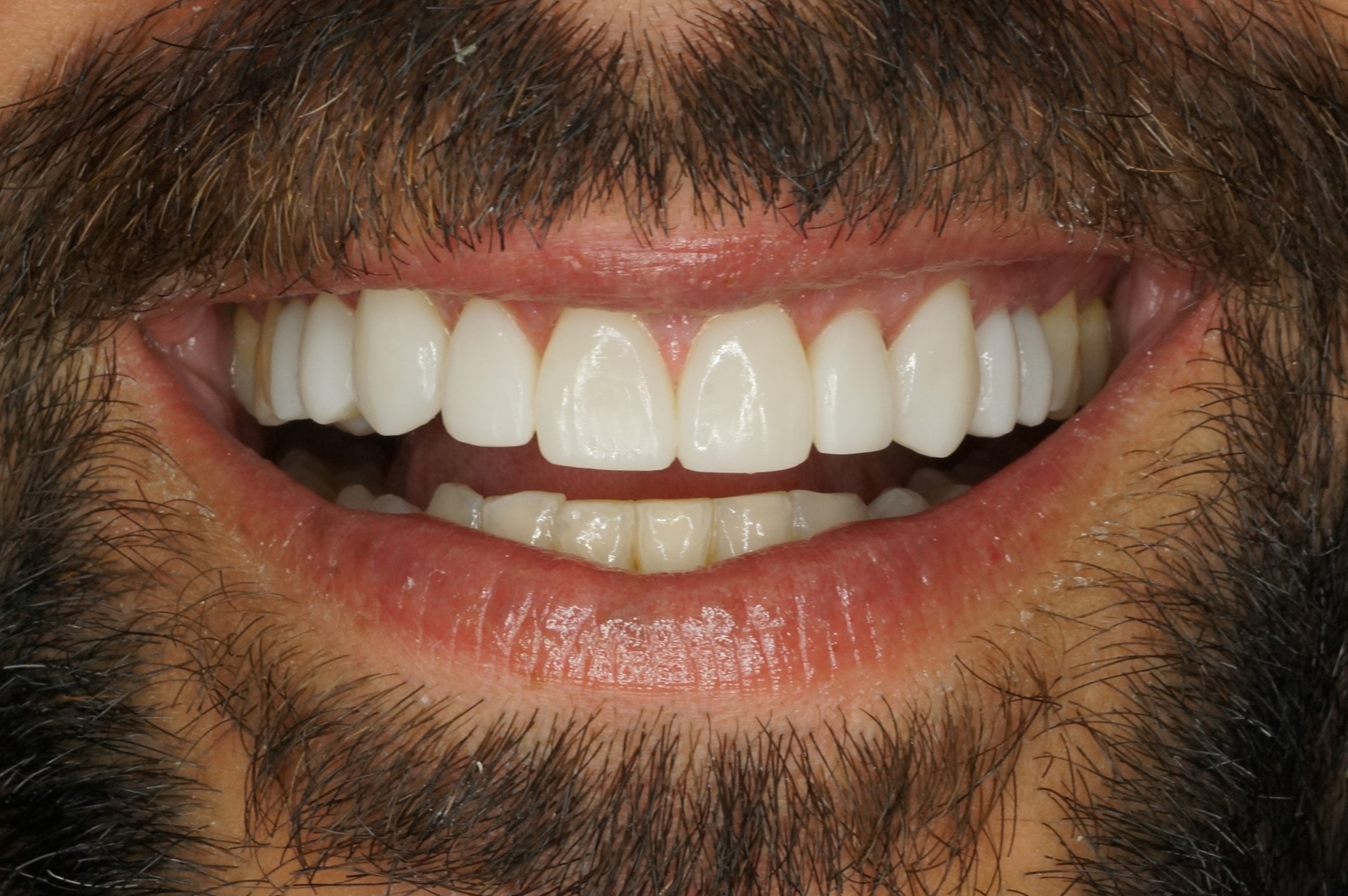
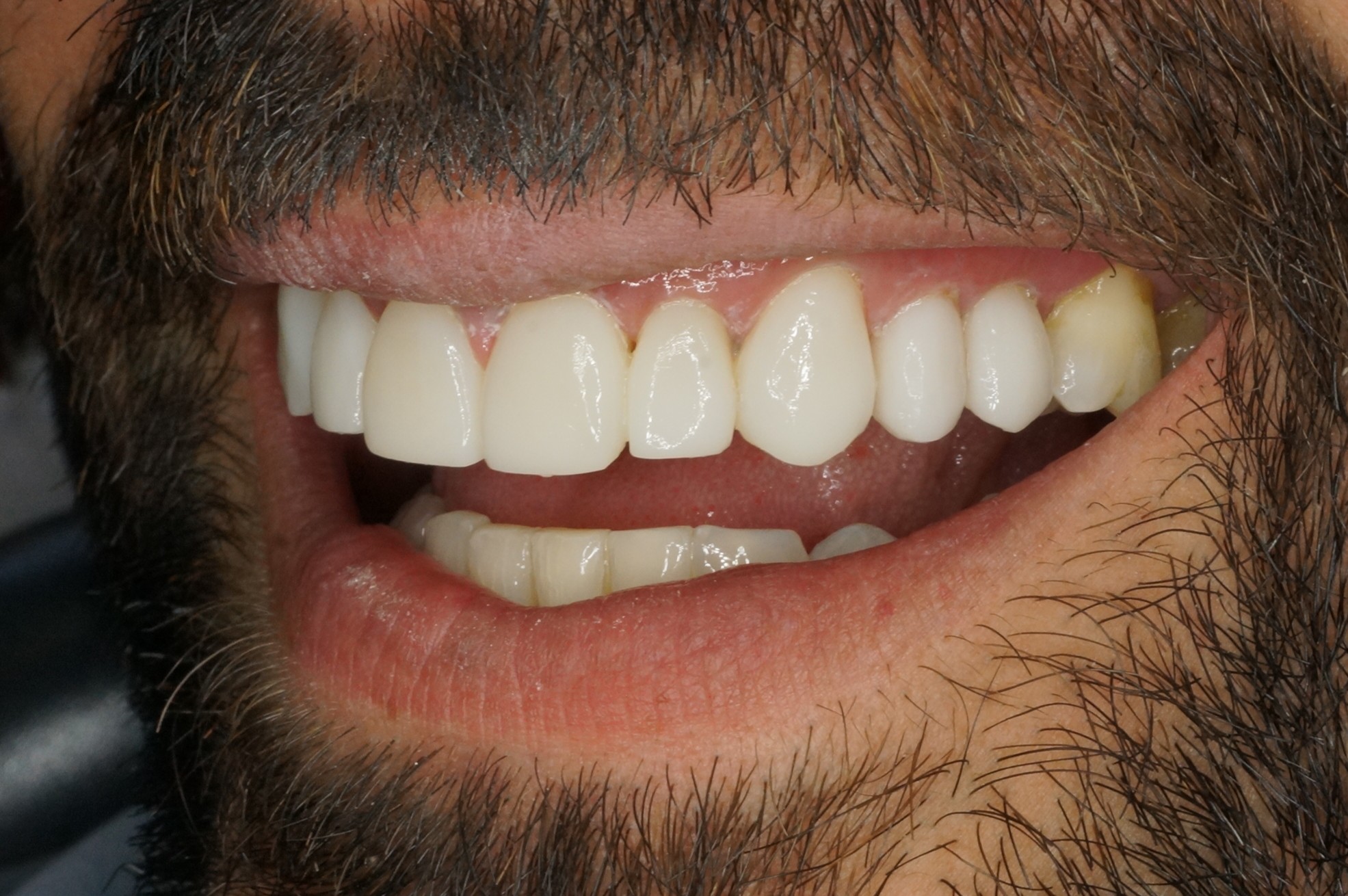
When they wear down, they can lose length, texture and definition.
This may make the smile appear:
Flatter.
Older.
Less luminous.
Asymmetrical.
Irregular at the edges.
Less visible when smiling.
The central incisors usually play an important role in the smile. When they become shorter, the curve of the incisal edges may stop following the lower lip.
In addition, as the teeth lose length, they may appear proportionally wider.
For this reason, restoring worn edges is not simply a matter of adding millimetres.
We need to recreate shape, proportions, texture and the relationship with the lips.
Can Worn Teeth Make the Smile Look Older?
Yes, in some cases.
A younger-looking smile usually shows defined tooth edges, small natural variations, a visible smile curve and an appropriate amount of incisor display.
With wear, the teeth may become shorter and flatter.
The amount of tooth visible when speaking or smiling may also decrease.
This does not mean that every patient needs long teeth.
The appropriate length depends on the face, lips, age, bite and proportions.
The objective is not to make the smile look artificially younger, but to restore lost structure in a harmonious way.
Sensitivity and Colour Changes
When the enamel becomes thinner, the dentine may become more exposed.
Dentine has a warmer and more yellow tone than enamel. For this reason, worn teeth may look darker even when they are clean.
Sensitivity to cold, heat, sweet foods or touch may also develop.
In advanced cases, the loss of structure may approach the dental pulp and require more complex treatment.
This is why it is advisable not to wait until the wear becomes severe before seeking an assessment.
The First Step: Diagnosing the Cause
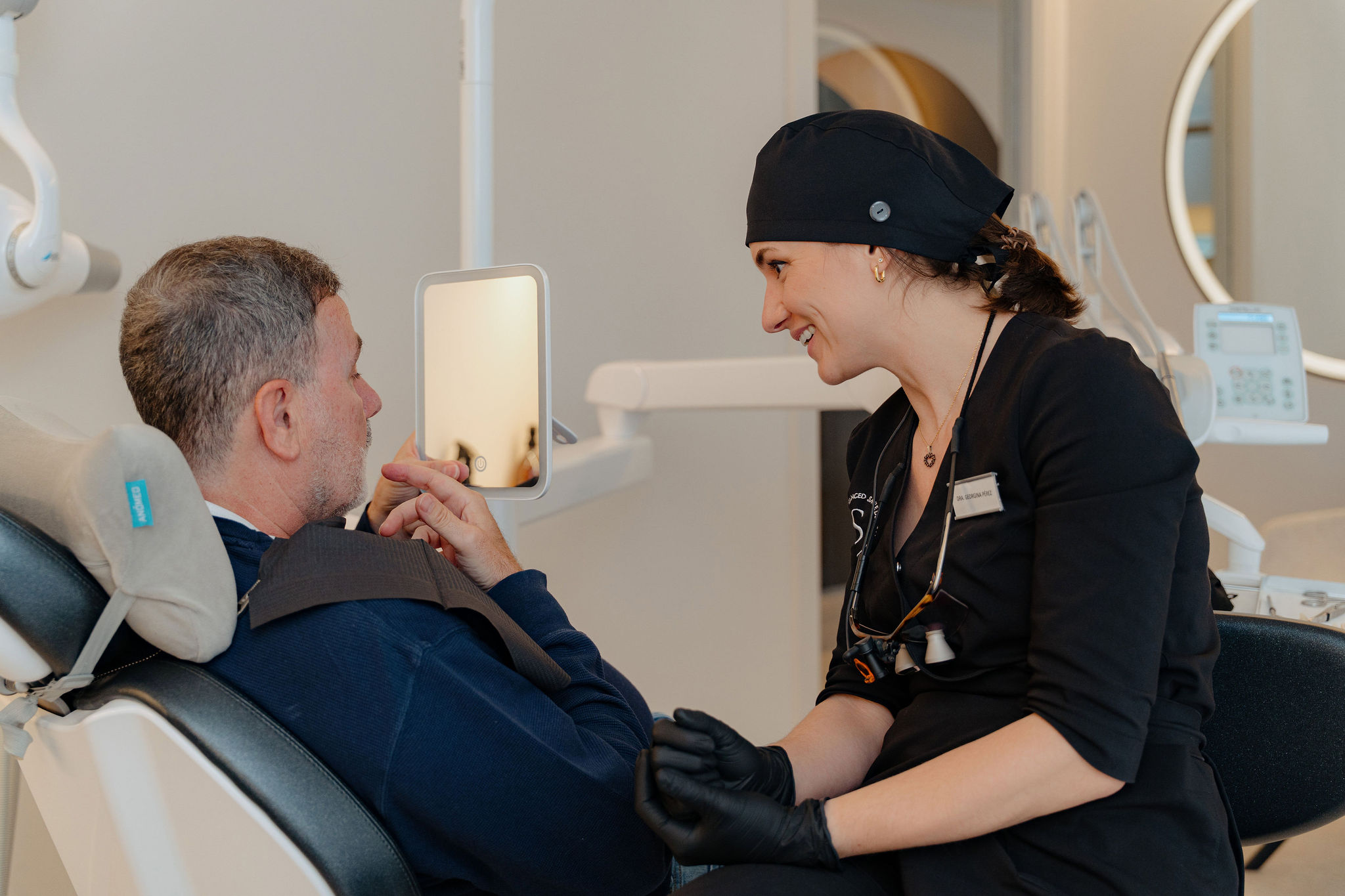
Before recommending treatment, we need to understand:
Which teeth are affected.
How much structure has been lost.
Whether the wear is still active.
How it has progressed over time.
Whether bruxism is present.
Whether there is acid exposure.
How the bite functions.
Whether teeth are missing.
Which restorations are present.
Whether there is sensitivity or pain.
What the patient would like to improve.
The assessment may include photographs, radiographs, digital scans, models, occlusal analysis and comparison with previous records, depending on the case.
In some patients, medical assessment may also be necessary when there are signs of reflux or another general health-related cause.
Rebuilding without diagnosing may improve the smile temporarily, but it does not necessarily control the underlying problem.
Can Tooth Wear Be Stopped?
Lost tooth structure does not grow back.
However, in many cases, we can slow down or control its progression.
Preventive treatment depends on the cause.
It may include:
Controlling acid exposure.
Changing habits.
Medical treatment when reflux or another general condition is present.
Improving oral hygiene and brushing technique.
Orthodontics to correct certain tooth positions.
Replacing missing teeth.
Carefully indicated functional adjustments.
Protection with a dental splint.
Photographic or digital monitoring.
The initial goal is not always to restore the teeth immediately.
In some cases, we first need to stabilise the situation and confirm that the wear is under control.
Does a Night Guard Stop Bruxism?
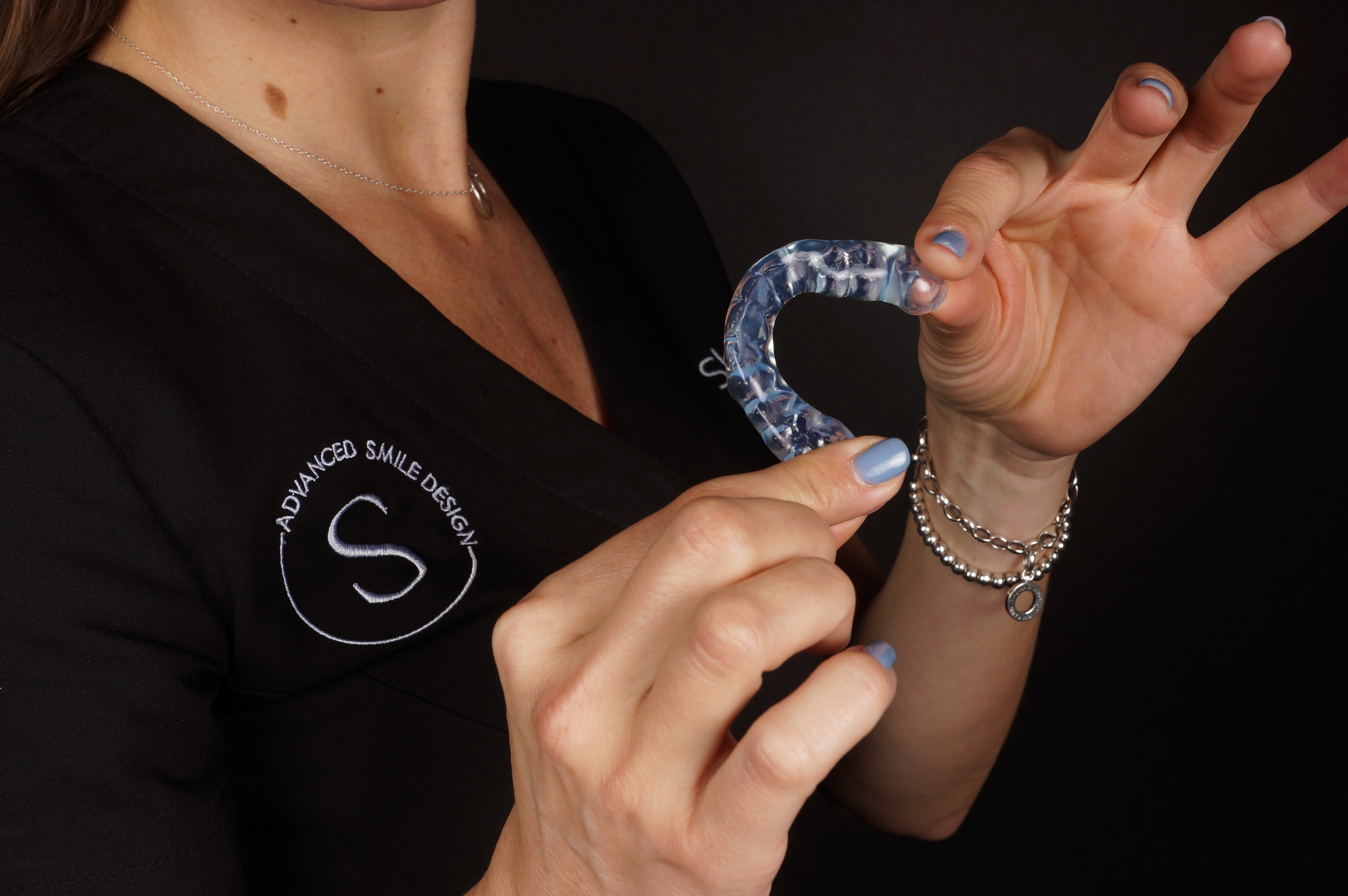
A dental splint can help protect the teeth and restorations from certain forces.
It can also distribute contacts and reduce direct damage between tooth surfaces.
However, a splint should not be presented as a universal cure for bruxism.
It does not always eliminate muscular activity or stop the patient from clenching.
Its main role is usually protective, and it should be designed, adjusted and monitored individually.
Smile Design in Patients with Tooth Wear
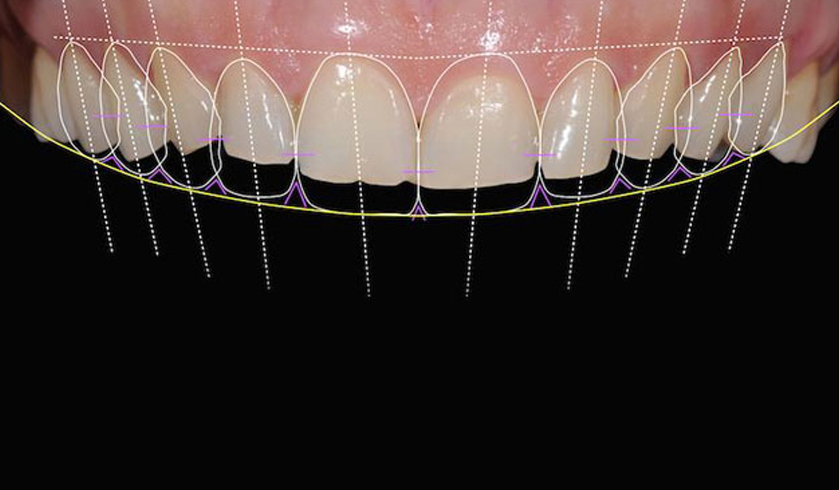
When tooth wear affects aesthetics, we carry out a smile design that does not focus only on the front teeth.
We need to assess:
The lost tooth length.
The likely original shape.
The proportions.
Tooth display.
The smile curve.
Tooth position.
The gum line.
The available space.
The bite.
The relationship between the front and back teeth.
The remaining tooth structure.
In some cases, only a few worn edges need to be restored.
In others, the wear affects the entire bite and requires more comprehensive planning.
The complexity of treatment depends on the amount of structure lost and how the bite has adapted.
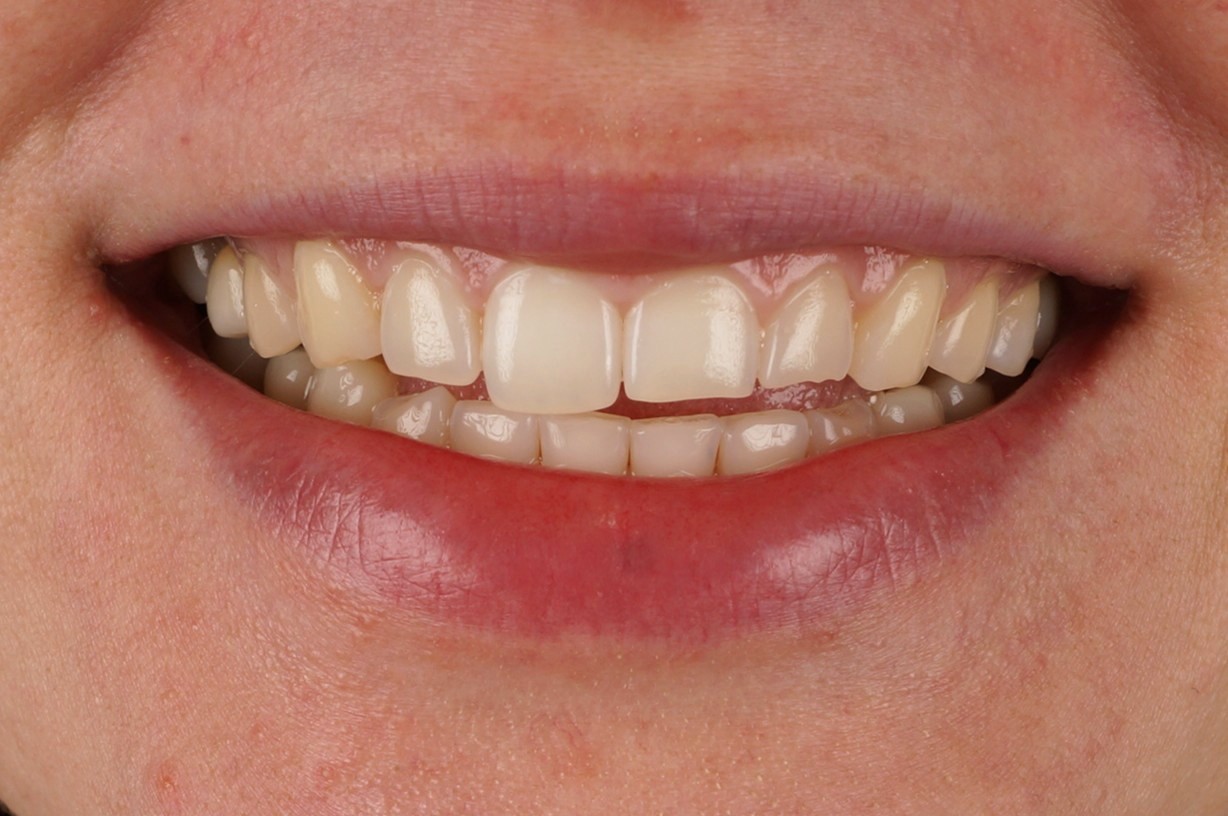
Conservative Treatment with Composite
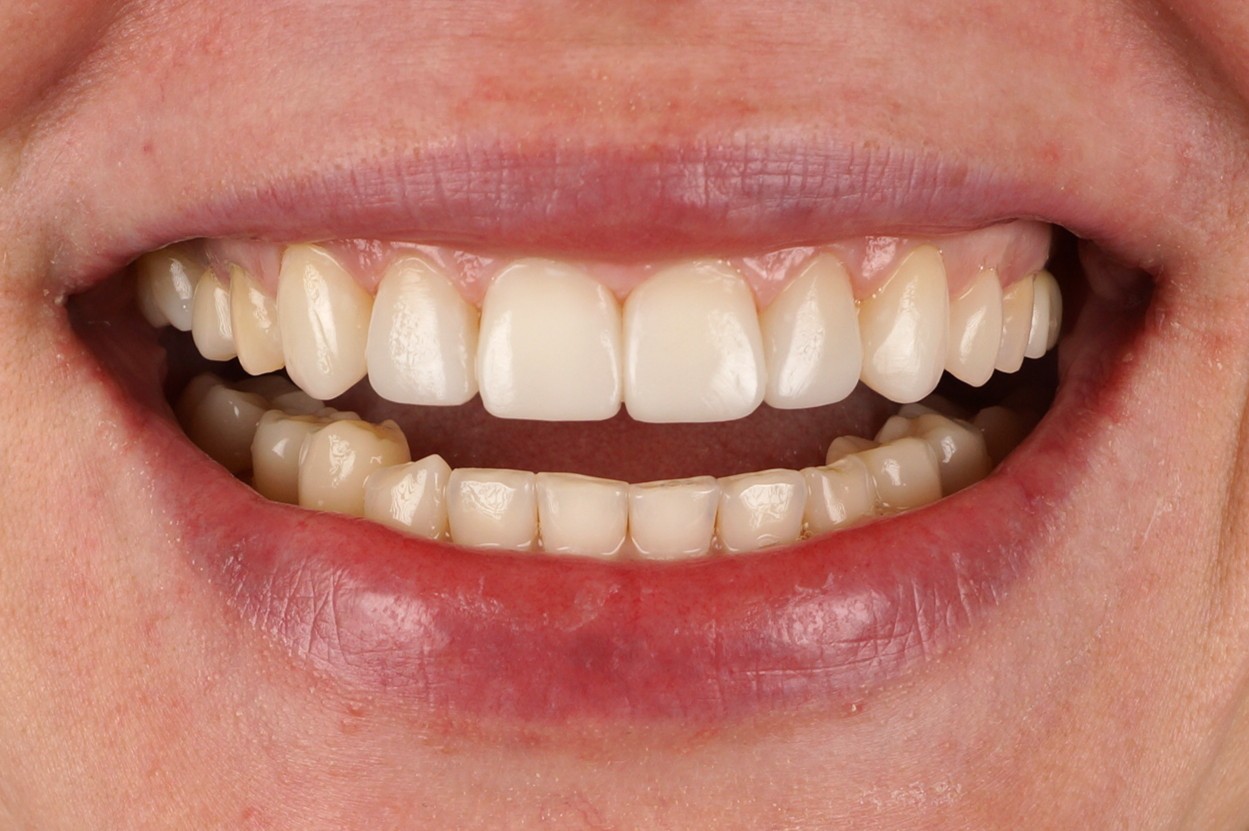
Composite can be an excellent option for restoring small or moderate losses of tooth structure.
It allows material to be added directly to the tooth and, in many cases, preserves the existing enamel.
It may be used to:
Rebuild incisal edges.
Restore tooth length.
Improve proportions.
Repair small fractures.
Close spaces associated with wear.
Restore posterior surfaces.
Its advantages include:
A conservative approach.
The possibility of repair.
Treatment in stages.
Good aesthetic integration.
However, composite may also wear, stain or fracture over time, especially when high forces are present.
For this reason, it requires regular review and maintenance.
Treatment with Porcelain
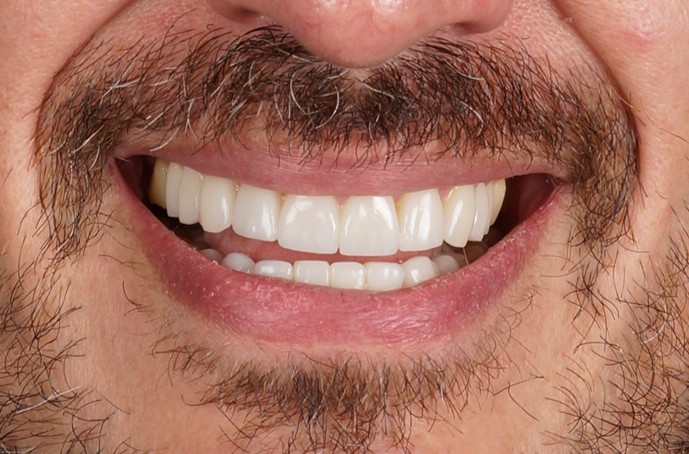
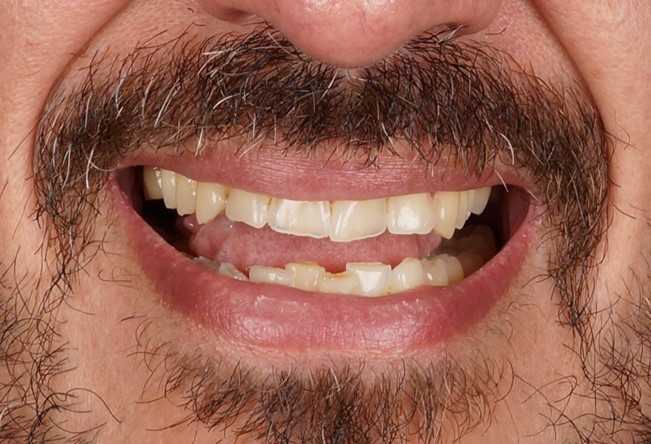
Porcelain may be indicated when we need to restore shape, volume, resistance or colour stability more comprehensively.
Depending on the case, treatment may include:
Veneers.
Inlays.
Onlays.
Partial crowns.
Full crowns when genuinely necessary.
The choice does not depend only on aesthetics.
We also need to assess how much enamel remains, the amount of structure lost, the bite, previous restorations and the forces each tooth will receive.
Adhesive dentistry allows us, in many cases, to rebuild worn teeth with more conservative options than traditional full preparation.
The choice between direct and indirect restorations should always be individualised.
Are Veneers Always Necessary?
No.
If the wear is small and localised, composite or selective contouring may be sufficient.
If the main concern is colour, teeth whitening may be considered before rebuilding the teeth.
If the teeth are poorly positioned, orthodontics may be recommended first.
If the main problem is in the posterior bite, that area may need to be stabilised before the front teeth are modified.
Veneers are one tool within smile design, but they are not the automatic solution for every case of tooth wear.
Orthodontics Before Rebuilding Worn Teeth
In some cases, tooth wear is combined with crowding, unfavourable inclinations or bite problems.
Trying to compensate for poor tooth position using restorations alone may require teeth to be made too bulky or healthy structure to be removed.
Orthodontics can help to:
Move the teeth into a more favourable position.
Create the required space.
Improve the bite.
Distribute forces.
Facilitate more conservative restorations.
Improve proportions.
The sequence should be planned from the beginning with the final aesthetic and functional result in mind.
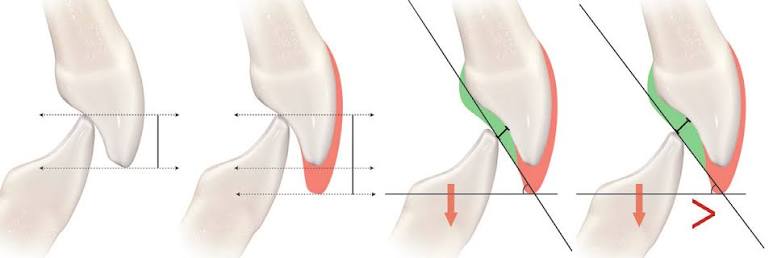
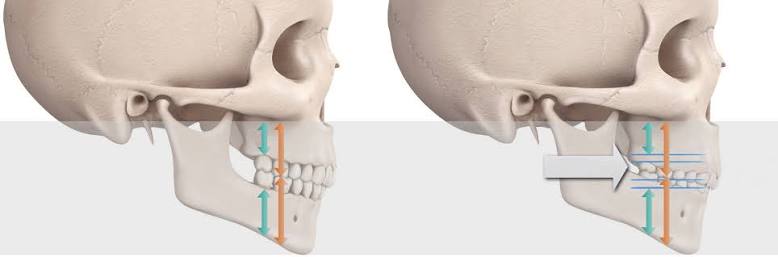
What Does Increasing the Vertical Dimension Mean?
In more generalised cases of wear, part of the height and anatomy of the posterior teeth may have been lost.
In certain situations, treatment requires reorganising the available space so that the teeth can be rebuilt.
This may involve carefully modifying the vertical dimension of the bite.
It does not simply mean “opening the bite” or making the teeth taller.
It is a clinical decision that requires a complete analysis of the bite, aesthetics, muscles, restorative space and the patient’s ability to adapt.
When properly indicated, it can allow us to restore tooth structure and proportions without unnecessarily removing additional healthy tissue.
Mock-Up and Aesthetic Trial
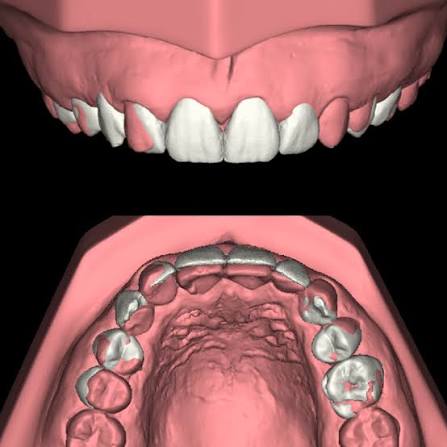
In more extensive treatments, an aesthetic trial or mock-up can help the patient visualise the planned result.
It also allows us to assess:
Tooth length.
Tooth shape.
Speech.
Lip support.
The relationship with the face.
Bite comfort.
Initial functional adaptation.
A mock-up is not only an aesthetic tool.
It can also provide valuable clinical information before the final treatment is carried out.
Restoring Function, Not Only Appearance
A good result should not only look attractive when the mouth is open or in a photograph.
The teeth should also allow the patient to:
Chew correctly.
Speak comfortably.
Carry out stable jaw movements.
Distribute forces.
Protect the restorations.
Maintain a comfortable bite.
For this reason, aesthetics and function are inseparable in cases of tooth wear.
Rebuilding the teeth without understanding how they function may compromise the longevity of the treatment.
Maintenance After Restoring Worn Teeth
Once treatment has been completed, maintenance is essential.
It may include:
Regular check-ups.
Professional hygiene.
Bite assessment.
Monitoring fractures or minor wear.
Composite polishing and maintenance.
Reviewing the dental splint.
Monitoring bruxism.
Controlling habits and acid exposure.
Comparative photographs or digital scans.
Restorations do not automatically eliminate the original cause.
The risk factors therefore need to remain under control.
How We Plan Tooth Wear Cases at SMITA
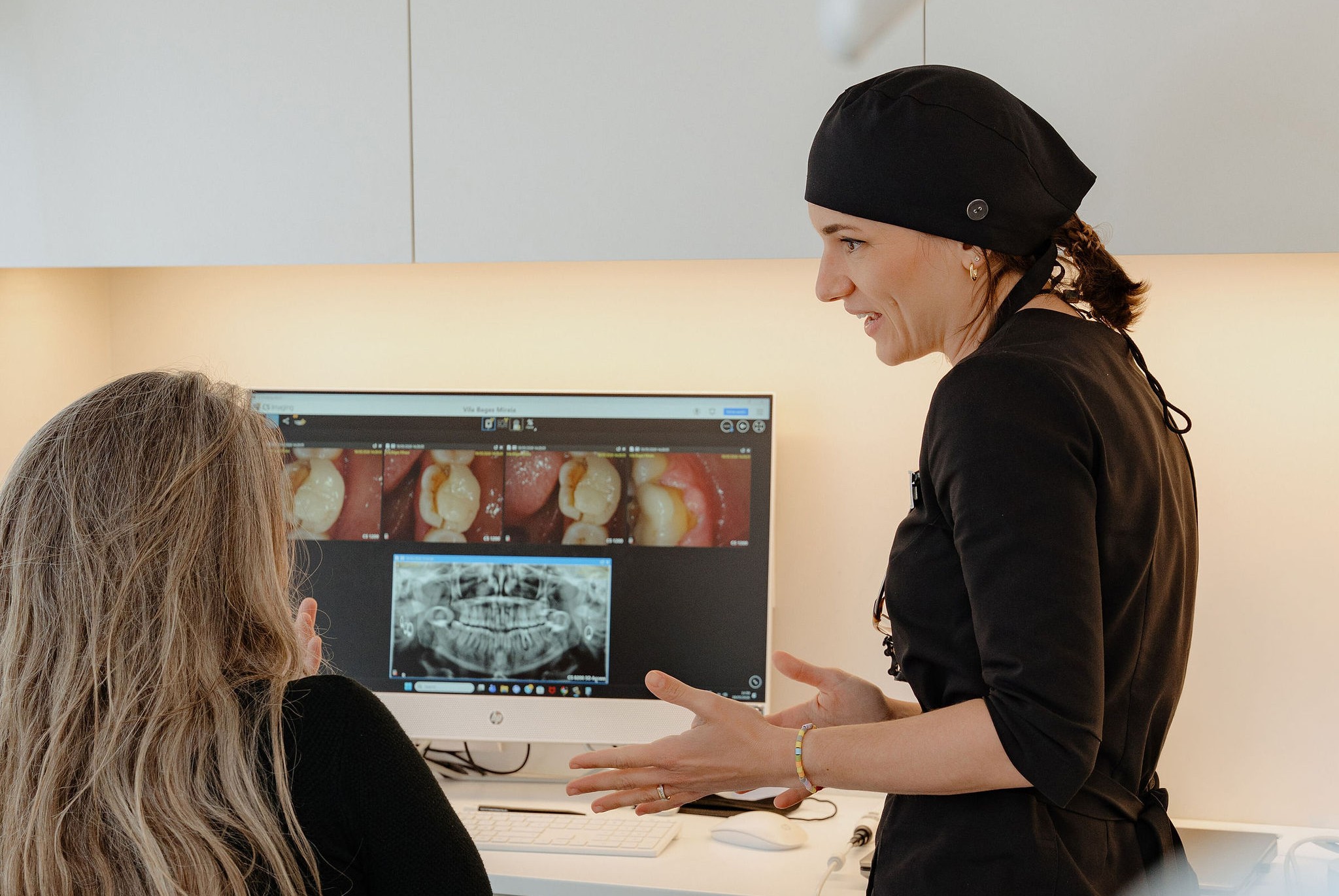
At SMITA Advanced Smile Design, we begin by listening to the patient.
We want to understand what changes they have noticed, what concerns them and what result they would like to achieve.
We then assess:
The level and pattern of wear.
The health of the teeth and gums.
The bite.
Tooth position.
Habits.
Possible acid-related factors.
Existing restorations.
Smile shape and proportions.
The relationship with the lips and face.
From there, we create a personalised plan.
In some cases, we recommend monitoring and prevention.
In others, treatment may include a dental splint, orthodontics, composite or localised procedures.
When the wear is more advanced, a more comprehensive aesthetic and functional rehabilitation may be required.
We do not aim to rebuild every tooth in the same way.
We aim to use the most conservative option capable of providing a natural, functional and stable result.
Frequently Asked Questions
Do Worn Teeth Grow Back?
No. Lost enamel and dentine do not regenerate. However, we can control the progression and rebuild the lost structure when indicated.
Is All Tooth Wear Caused by Bruxism?
No. It may also be related to acids, reflux, diet, tooth position, bite problems, habits or a combination of factors.
Do I Need a Night Guard If My Teeth Are Worn?
It depends on the cause and the current activity. A dental splint may protect the teeth and restorations, but it must be prescribed and adjusted individually.
Can Worn Teeth Be Rebuilt with Composite?
Yes, in many cases. Composite allows us to carry out conservative and repairable treatment, especially when the loss of structure is small or moderate.
When Is Porcelain Used?
It may be indicated when there is more extensive structural loss, when greater aesthetic stability is needed or when the functional conditions require an indirect restoration.
Do All Teeth Always Need to Be Treated?
No. Treatment depends on the extent of the wear and the bite. Some patients need localised treatment, while others require a more comprehensive plan.
Can Tooth Wear Cause Sensitivity?
Yes. When the enamel becomes thinner or dentine is exposed, sensitivity to cold, heat, sweet foods or touch may develop.
Can I Have Teeth Whitening If My Teeth Are Worn?
It depends on the condition of the enamel, the level of sensitivity and the restorative plan. In some cases, whitening may be carried out before choosing the shade of future restorations.
Can Orthodontics Help?
Yes. When tooth position or the bite contributes to the problem, orthodontics can create better conditions for conservative and stable treatment.
How Long Does a Tooth Wear Rehabilitation Last?
Longevity depends on the material, the extent of the case, the bite, habits, maintenance and control of the original cause.
Conclusion
Worn teeth should not be treated only as a problem of shape or length.
Before rebuilding them, we need to understand why they have worn down and how the bite functions.
Tooth wear may be related to bruxism, acids, reflux, tooth position, habits or a combination of factors.
Careful planning allows us to control these causes and restore the lost structure through personalised treatment.
For some patients, prevention, monitoring or small composite restorations may be enough.
For others, treatment may involve orthodontics, porcelain, functional rehabilitation and a protective dental splint.
At SMITA Advanced Smile Design in Barcelona, we plan every rehabilitation with a balance between aesthetics, function and tooth preservation.
We do not simply aim to make the teeth longer.
We aim to restore a smile that is natural, harmonious and stable.
Book an assessment at SMITA and discover which treatment may help you protect and restore your worn teeth.